
What’s Driving Growth Right Now
Most insights explain the past. Ours are built to win what’s next.
This is where we call out what’s breaking, what’s working, and where growth is being created right now—so you can move before everyone else does.
Most Brands Are Missing One Of The Largest Growth Opportunities In America
Most brands dramatically overestimate how effectively their “general market” advertising reaches multicultural audiences. But MRI-Simmons data and real-world media behavior tell a different story. From Hispanic and Asian audiences to Middle Eastern and African-origin consumers, cultural nuance, language dependency, and media fragmentation are creating one of the largest untapped growth opportunities in modern marketing.
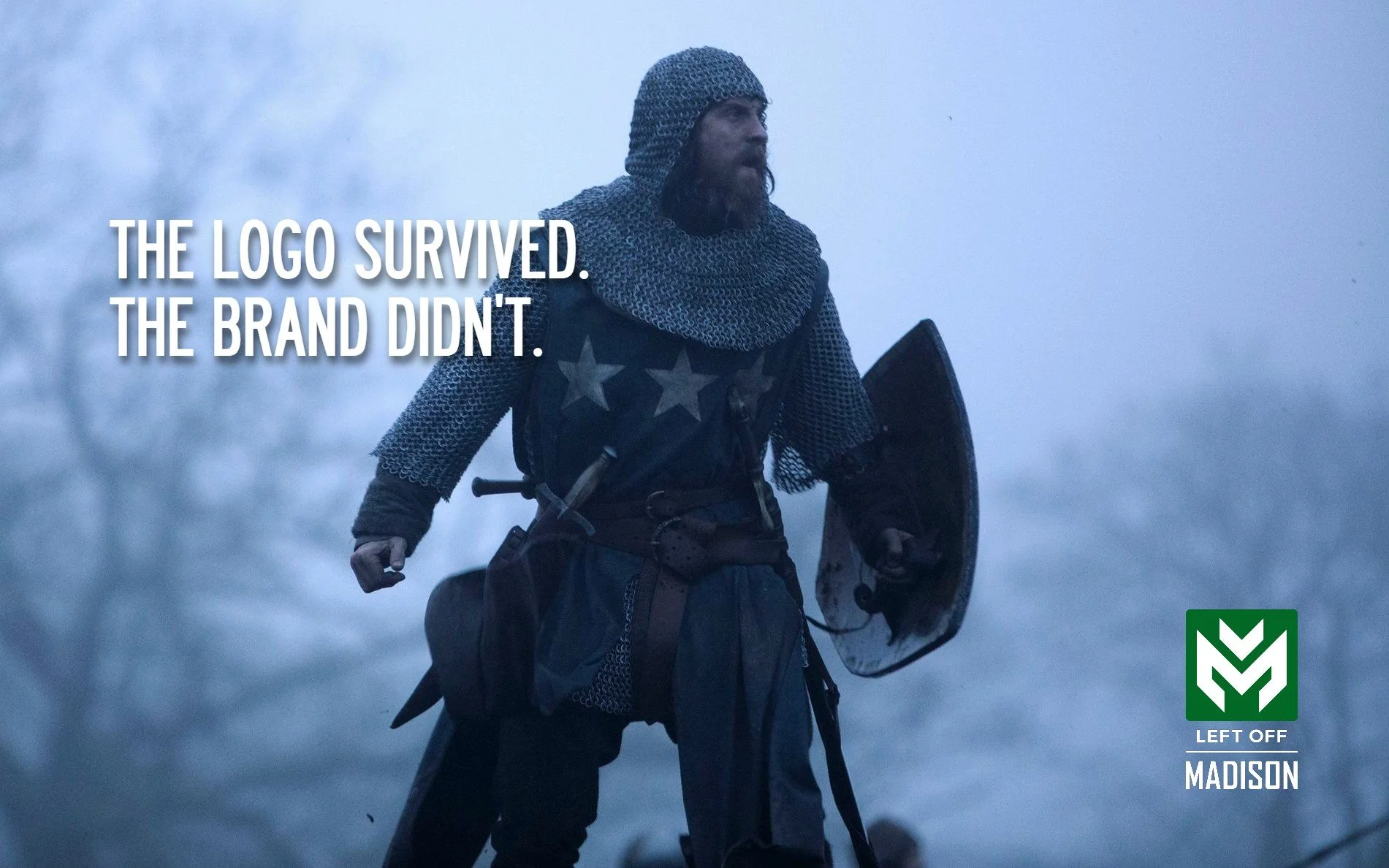
The Logo Survived. The Brand Didn’t.
The Douglas clan coat of arms may be one of history’s earliest examples of a logo becoming a true brand. Through war, reputation, mythology, and cultural meaning, the symbol evolved into something people feared, respected, and emotionally understood. But over centuries, as the stories and relevance faded, the brand slowly decayed back into a logo. A lesson many modern marketers still haven’t learned.
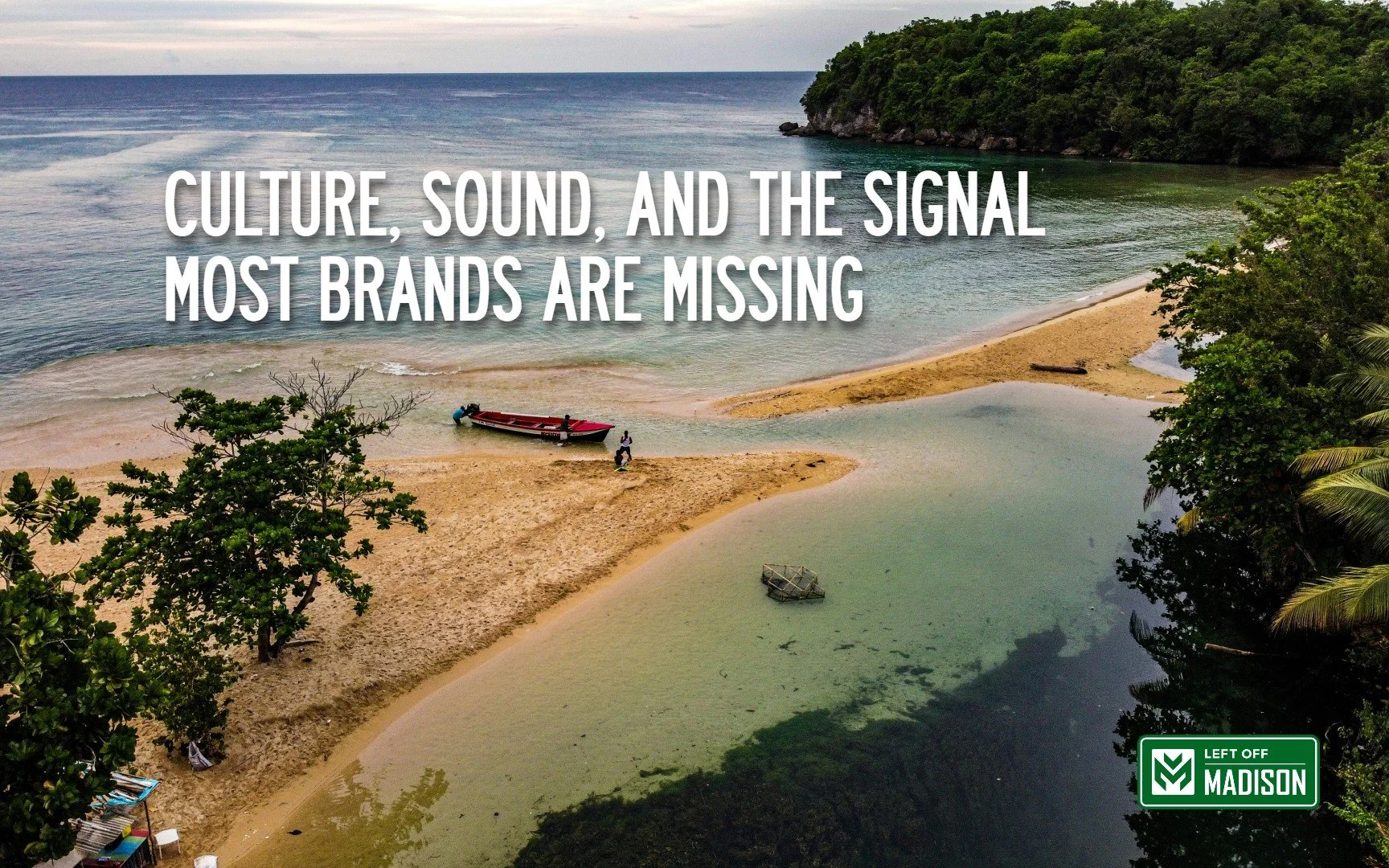
Culture, Sound, and the Signal Most Brands Are Missing
Reggae and Caribbean-rooted music aren’t just globally popular— they’re globally effective. From Kingston to San Juan, these sounds now operate at pop scale while doing something most advertising struggles to achieve: they’re felt. Slower tempos, steady rhythms, and bass-driven immersion align with how the human body responds to sound. The question isn’t why this culture travels. It’s why more brands aren’t building against it.

Breaking Out Of The Commodity Coop
Left Off Madison helped launch and grow Just BARE as Pilgrim’s Pride sought to transform chicken from a commodity purchase into a modern consumer brand. Explore how integrated retail strategy, advertising, shopper marketing, and challenger-brand thinking helped establish the foundation for what would later become a $1B brand.

Stop Selling the Product. Start Selling What It Means.
Product differentiation gets a brand noticed. Emotional differentiation gets it chosen. In crowded categories, features, ingredients, and claims are quickly copied. What lasts is the emotional meaning a brand creates—fun, confidence, belonging, trust, or aspiration. That’s what builds loyalty, premium pricing power, and long-term growth when product parity takes over.
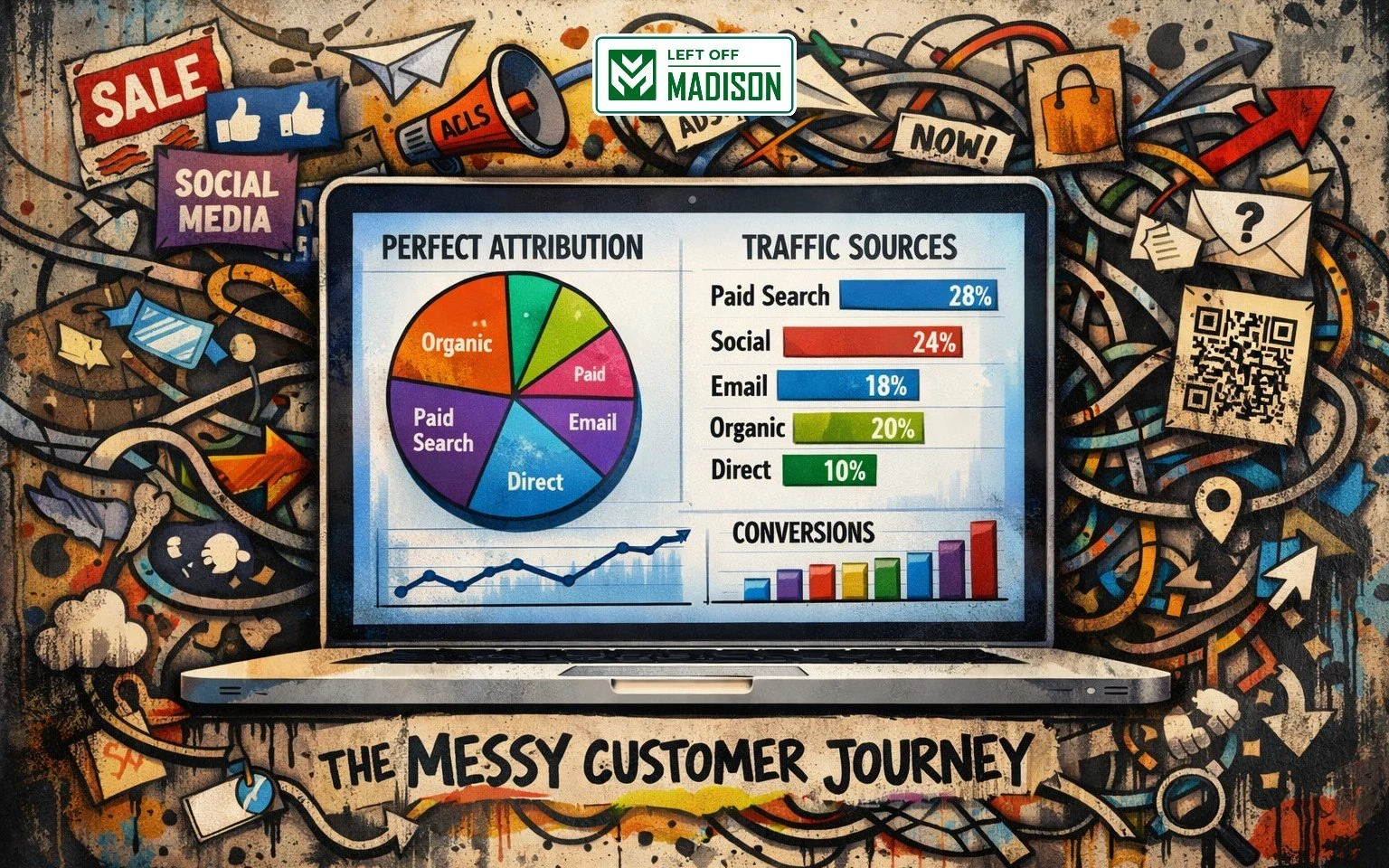
Your Attribution Stack Is Lying to You
Closed-platform reporting is useful. It is also dangerously incomplete when marketers treat it like the whole truth. Shopify, HubSpot, Amazon, Adobe, and GA360 can all help measure performance. None of them should be mistaken for a complete map of demand creation. The real risk is not bad data. It is overconfidence in one dashboard’s version of reality.
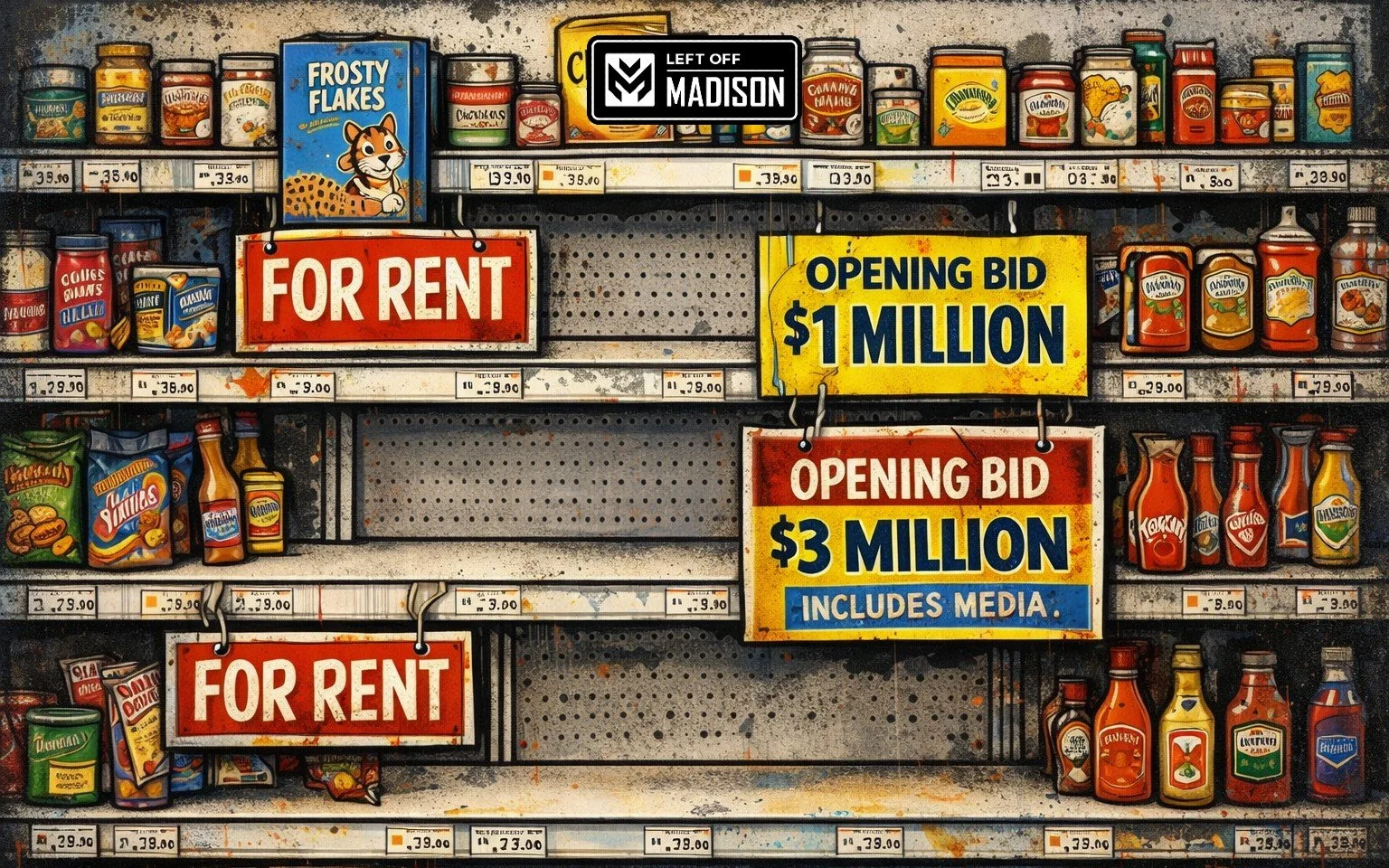
Retail Media Without Brand Building Is Just Expensive Shelf Rent
Retail media is booming for a reason. But the closer a channel sits to purchase, the less it can do the work of building meaning, trust, and preference. When brands ask the shelf to compensate for weak brand equity upstream, retail media stops being a growth accelerator and starts becoming expensive shelf rent.
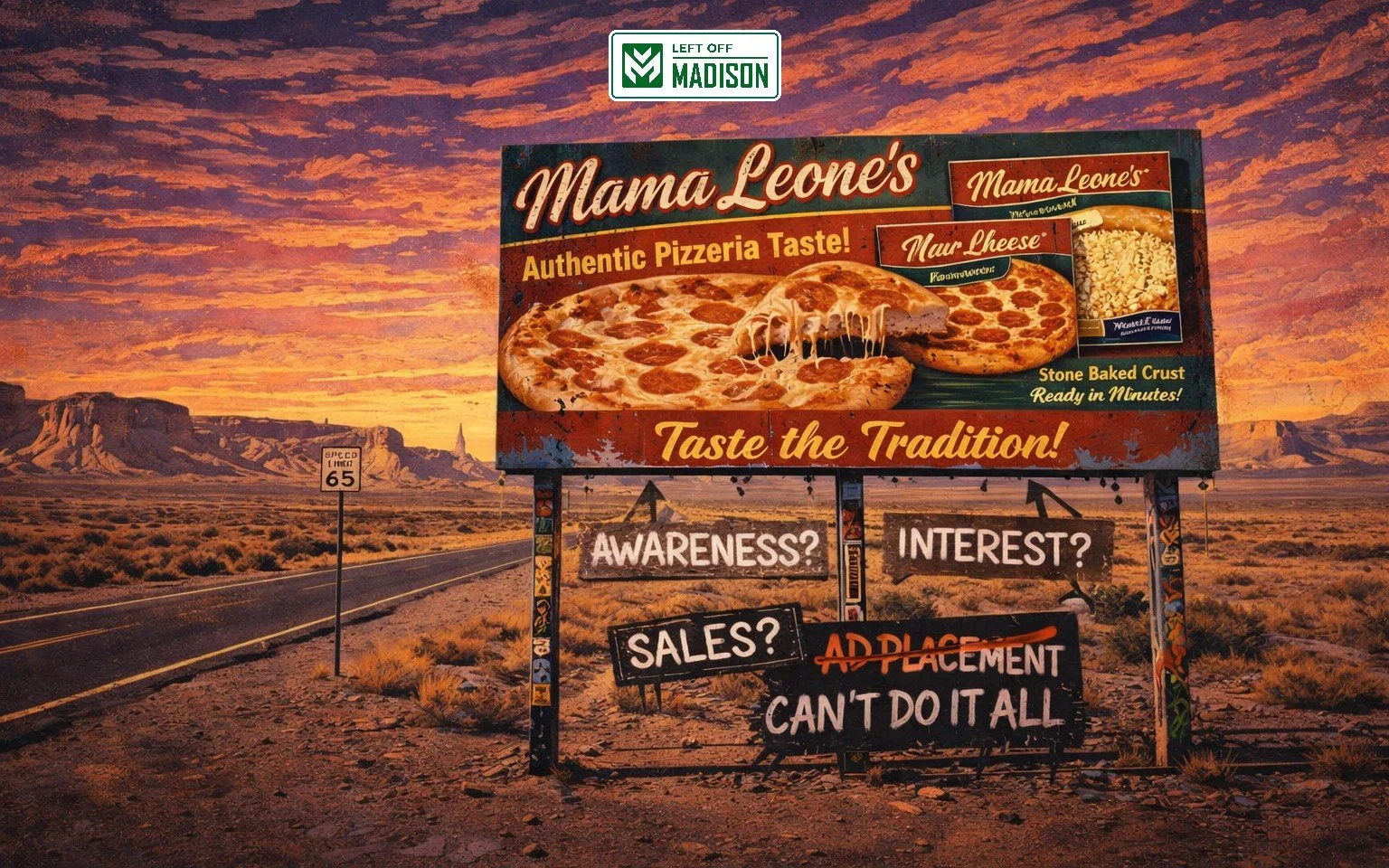
The Funnel Isn’t Broken. Demand Creation Is.
Too many brands are trying to close demand they never created. They overinvest in the bottom of the funnel, underinvest in awareness and consideration, and then wonder why growth stalls. The problem is not a lack of impressions. It is the absence of a system that makes those impressions matter.

Moving More Than Money
Western Union already had global scale. The larger challenge was maintaining emotional relevance in a rapidly evolving digital world. Explore how Left Off Madison helped reconnect money transfer with culture, family, identity, and human connection through multicultural strategy, precision communications, and emotionally-driven marketing designed for audiences spanning Mexican, Filipino, Pakistani, Nigerian, Indian, Chinese, and other communities worldwide.

Why Most Marketing Plans Fail the Budget Test
Most marketing plans fail basic math. Big ambitions. Tiny budgets. National goals with local resources. Before you blame creative or media, check the numbers.
The Growth Watchlist: March Edition
Five categories. Millions of lost users. And not one of them is a demand problem. From backyard staples to road trip essentials, the brands losing right now all made the same mistake: they stayed familiar while consumers moved on. Meanwhile, competitors didn’t just get better, they got more relevant. If your brand still relies on what worked yesterday, this one’s worth your attention.

10 Questions We Ask That Most Agencies Don’t
Before we write a headline or spend a media dollar, we ask questions— some uncomfortable, some unexpected, all necessary. At Left Off Madison, these questions expose flawed assumptions, unrealistic goals, and hidden opportunities inside the client brief. From “Who really makes the purchase decision?” to “What would actually cause this campaign to fail?”, these 10 questions often determine whether a campaign merely looks good or actually drives growth.

Advertising Has Never Been Easier to Produce. And Never Harder to Make Effective.
The advertising industry has never been more capable— or more at risk of irrelevance. As AI accelerates production and creator content floods the market, a critical truth is emerging: more output isn’t translating into more impact. Here’s what’s actually driving this— and what brands must do differently to win.

Confession: We Never Fully Trust the Client Brief
Most agencies treat the client brief like gospel. We don’t. At Left Off Madison, we challenge it, pressure-test it, and sometimes rewrite it because blindly accepting a brief is the fastest way to produce mediocre advertising. From flawed audience targets to mismatched budgets, the truth hiding inside many briefs can make or break a campaign. Here’s why questioning the brief often leads to better strategy and better growth.

Most Brands Don’t Have a Cultural Strategy
Most brands don’t have a cultural strategy; they have a coverage strategy. They spend 100% of their budget chasing broad relevance, while the brands that actually break through invest 10% in the few who shape culture first: tastemakers, edgers, and gatekeepers. Culture doesn’t start in Times Square. It starts in small rooms. And the brands that stay relevant aren’t louder, they’re smarter.
Growth Watchlist: 5 Brands in Decline, feb. 2026
It’s only February, yet consumers are already planning for warmer weather, summer travel, and time outdoors. Categories are growing but several iconic brands are losing millions of users anyway. That contradiction is the warning. This month’s Growth Watchlist reveals why decline isn’t about demand disappearing, but confidence eroding, relevance drifting, and friction going unresolved, before sales ever show it.
Growth Watchlist: 5 Travel Brands in Decline, FEB. 2026
U.S. outbound travel is accelerating yet several major destinations are losing travelers anyway. This month’s supplement to the monthly Growth Watchlist reveals why decline isn’t driven by demand, but by eroding confidence, clarity, and relevance. With China down 67% and others following, the warning is clear: when the category is healthy and your brand is shrinking, the problem isn’t macro. It’s internal.

Stop Fishing Where the Fish Are
Growth doesn’t come from shouting louder in crowded places. It comes from showing up differently in the right ones. Brands that break through don’t follow category norms; they find the white space competitors are too comfortable to ignore. Want growth in 2026? Get out of Times Square.

The Marketing Fail No One Wants to Talk About
Marketing tech isn’t sexy, but it’s the backbone of performance. Pixels, tags, feeds, and tracking failures don’t just hurt optimization—they distort decision-making. If you haven’t audited your stack lately or bought your own product across channels, you’re likely leaving money on the table.
The Growth Watchlist: 5 brands in decline, jan. 2026
Most brands don’t collapse overnight. They fade quietly one lost user, one forgotten reason to choose. Each month, we’ll use our data tools to uncover 5 familiar brands losing real buyers while their categories grow or sustain. This isn’t criticism. It’s an early-warning system. See the patterns before decline becomes destiny.