The Growth Watchlist: March Edition
5 Brands in Decline — And What Summer Is Trying to Tell You
Summer is when brands reveal the truth. Backyards. Road trips. Ballparks. Streaming nights.
The highest-frequency, highest-emotion consumption moments of the year. And this year, the signal is unmistakable:
Consumers didn’t disappear.
They just chose differently.
Across five categories— from hot dogs to gasoline— the pattern is the same:
The brands that lost didn’t lose demand.
They lost relevance in how demand shows up today.
Here’s what CMOs should be paying attention to.
1. Hebrew National — When Trust Stops Converting
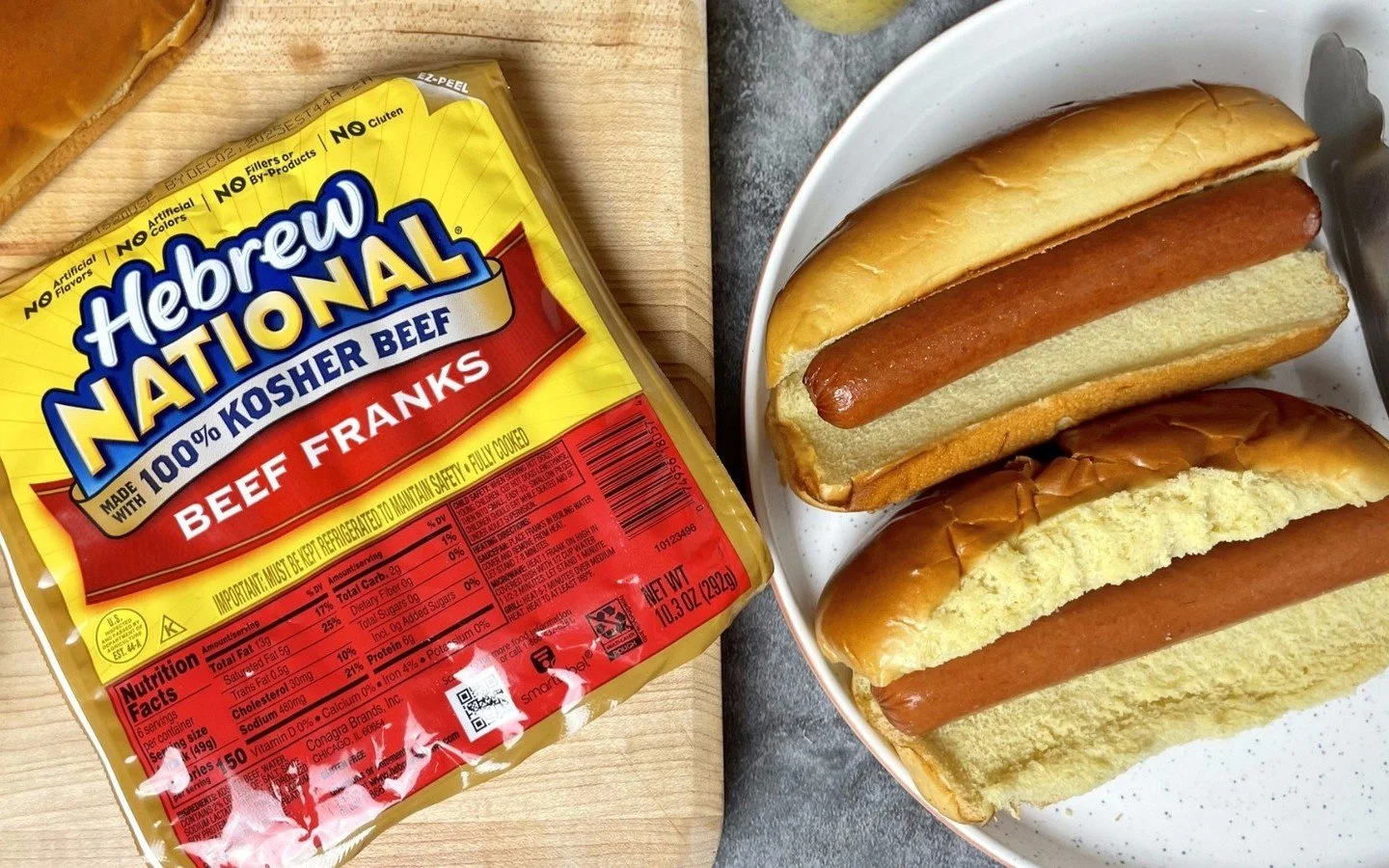
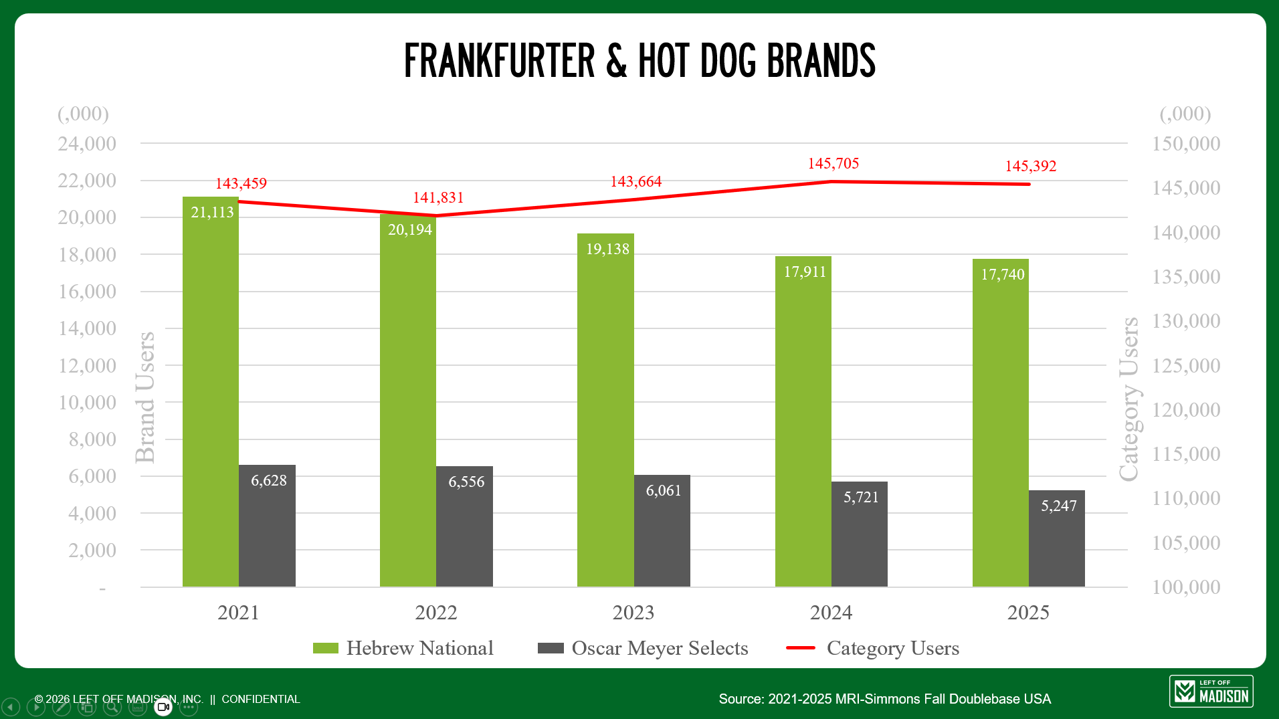
Hebrew National, owned by ConAgra, lost more than 3 million users in a category that’s flat to slightly growing. Meanwhile, Nathan's Famous surged (Owned by Smithfield Foods under WH Group).
This isn’t about hot dogs. It’s about what “quality” means now.
Hebrew National was built on:
Trust
Standards
“Answering to a higher authority”
But today:
Quality is assumed
Premium is redefined (cleaner, sourced, modern)
Culture drives choice (nostalgia, spectacle, identity)
Nathan’s sells:
Experience
Ritual
Summer culture
Hebrew National sells:
Assurance
That used to close the sale. Now it just gets you considered.
Diagnosis: A classic “stuck in the middle” brand— not premium enough, not cheap enough, not culturally loud enough.
2. Pop Secret — When Occasion Loses to Habit
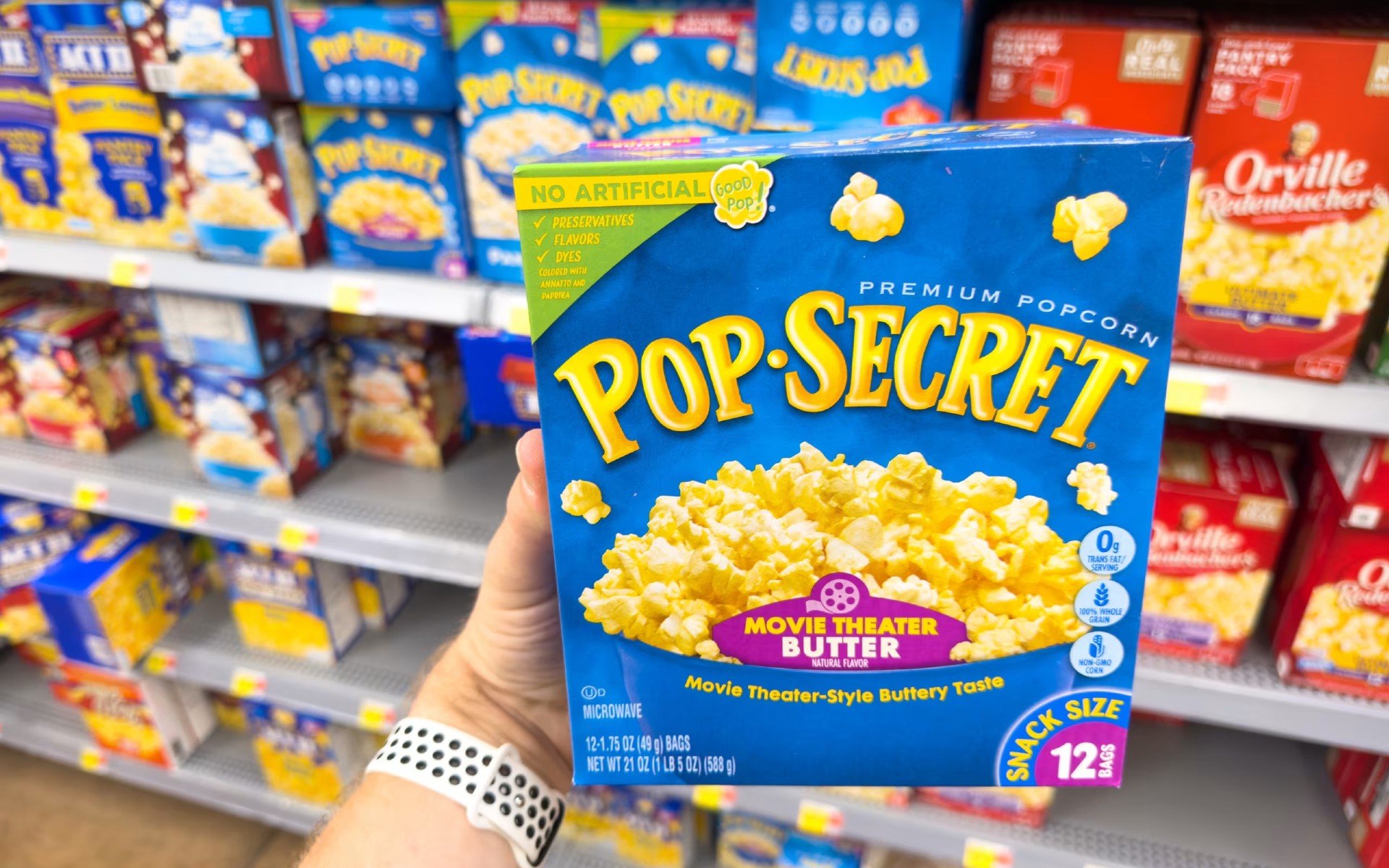
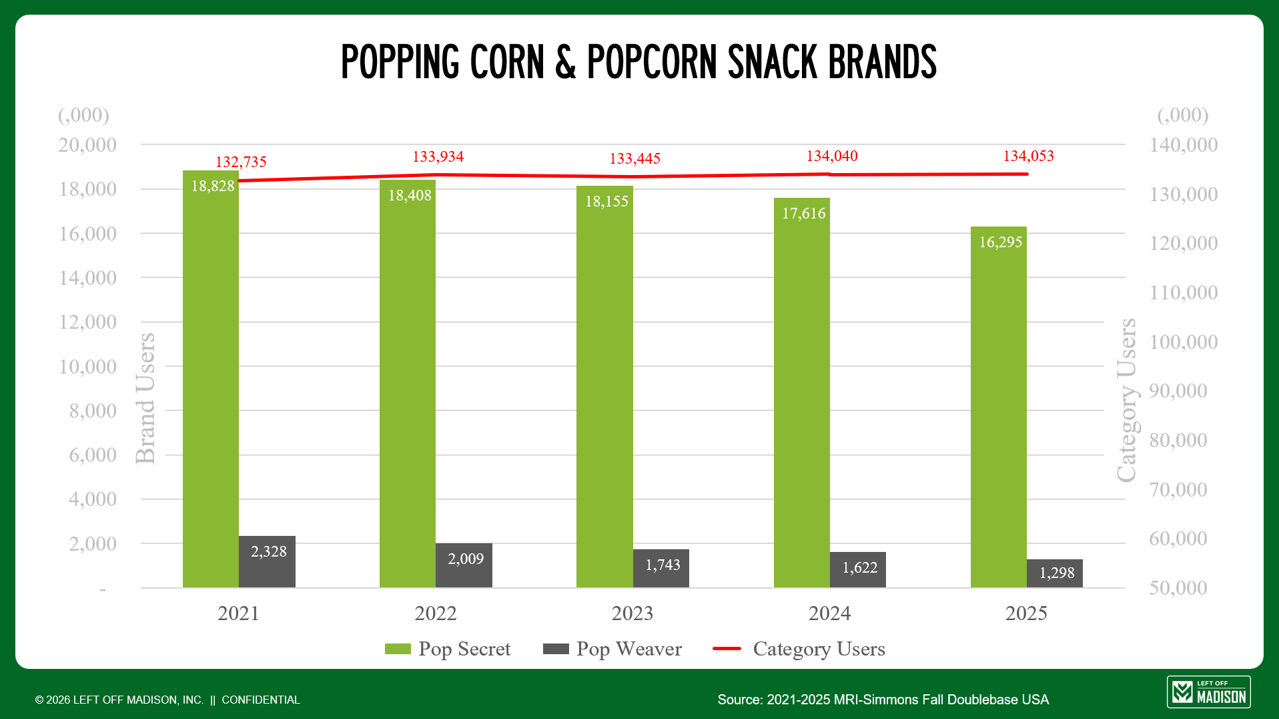
Pop Secret (owned by Our Home) lost 2.5 million users in a flat category. Meanwhile, SkinnyPop exploded (+4.3MM users; owned by The Hershey Co.).
Pop Secret owns:
Movie night
Butter
The microwave
But the category moved from:
Occasion → Everyday behavior
SkinnyPop sells:
Permission
Simplicity
Identity (“I snack smarter”)
Pop Secret still signals:
Effort (microwave)
Indulgence
A single moment (the couch)
Meanwhile, consumers snack:
At their desk
In the car
After workouts
Late at night
Habit beats occasion.
Diagnosis: A brand locked in a shrinking usage moment while competitors expanded frequency.
3. M&M’s Milk Chocolate — When Familiar Becomes Forgettable
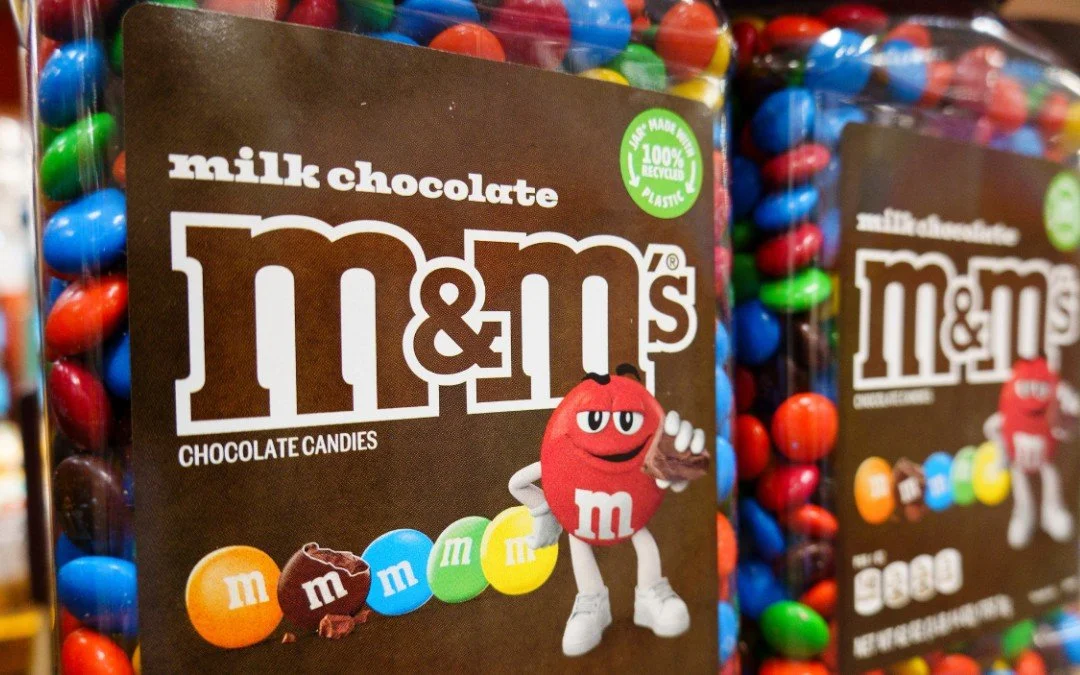
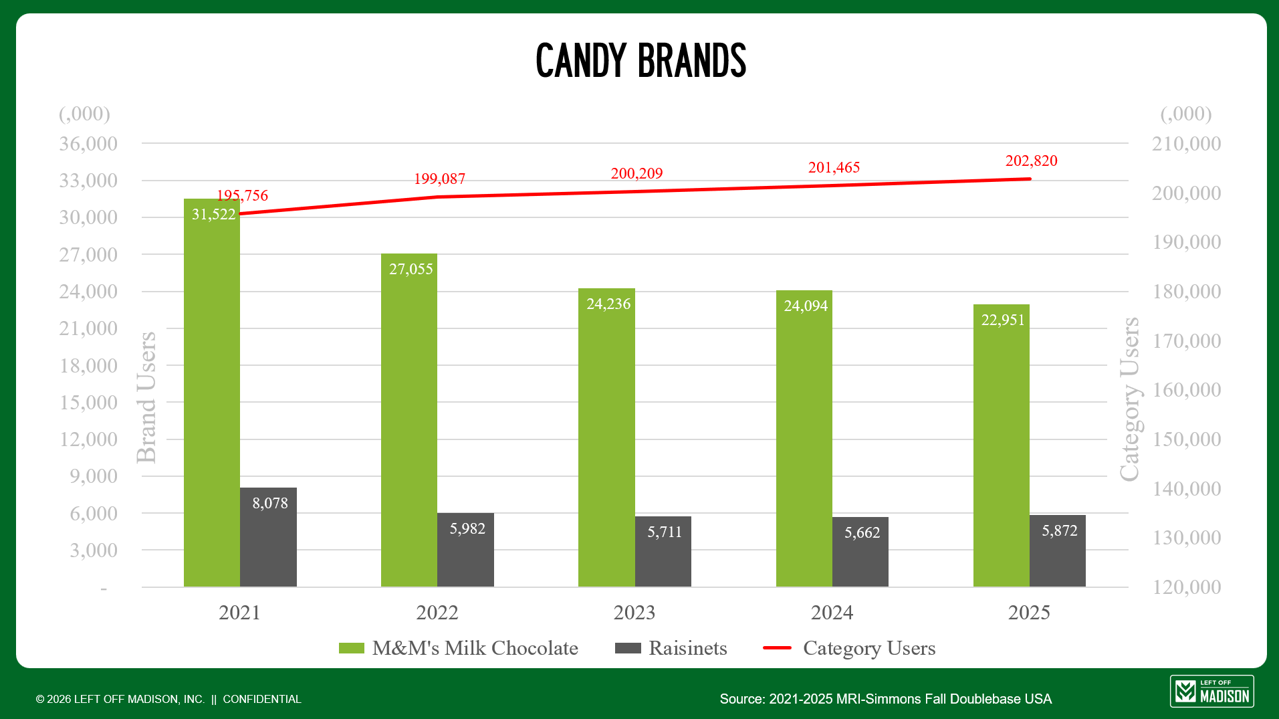
M&M’s (owned by Mars, Inc.) lost 8.5 million users in a growing category (+7MM users). Heavy usage is up +22%.
That’s the paradox:
People are eating more candy. Just not this one.
Growth went to brands like:
Sour Patch Kids (+32%) - owned by Mondelēz International
Nerds (+79%) - owned by Ferrara Candy Co.
Kit Kat (+4.2MM users) - owned by Nestlé
What do they all have in common?
Sensory intensity
Novelty
Shareability
Cultural energy
Candy is no longer just a product. It’s content.
M&M’s Milk Chocolate is:
Reliable
Consistent
Iconic
And increasingly…
Expected
Diagnosis: Over-reliance on legacy equity in a category driven by novelty and stimulation.
4. Canon — When the Middle Disappears

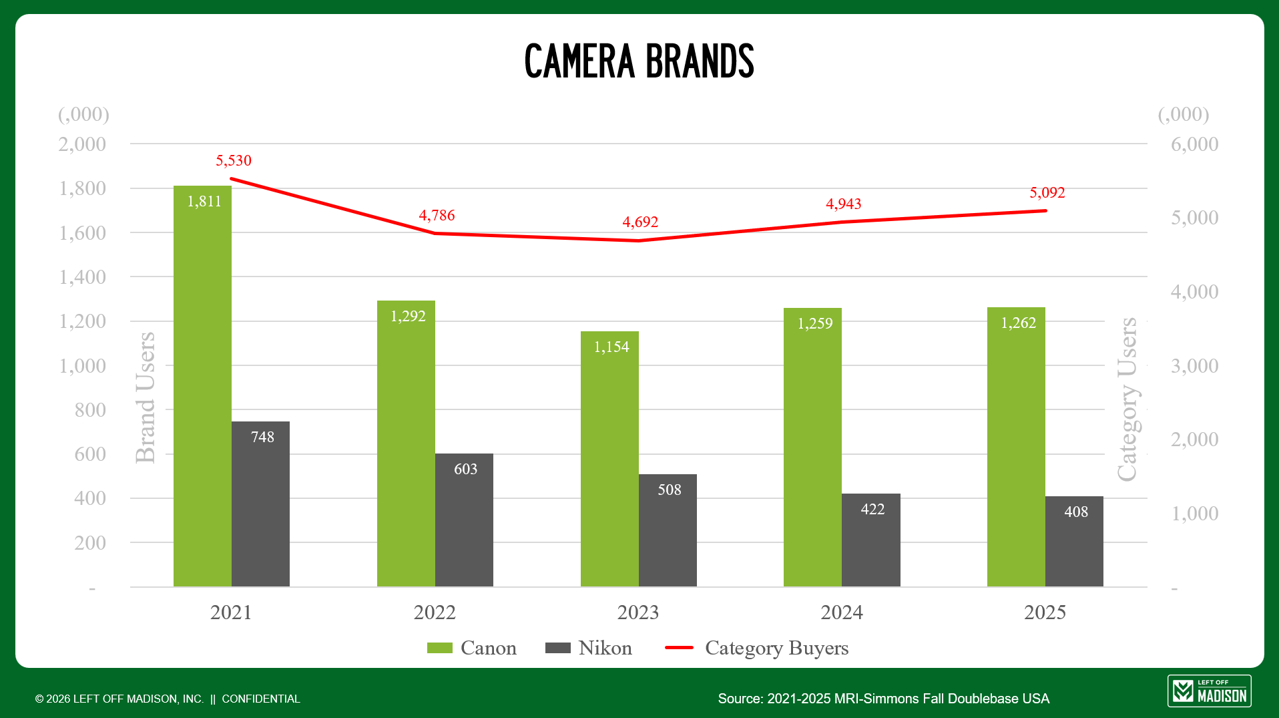
Canon (-30%) and Nikon (-45%) lost buyers in a declining category (-8%). But here’s the real shift:
Professionals: +12%
Advanced amateurs: -11% (-1.7MM people)
The middle is collapsing. And that’s exactly where these brands built their dominance.
Meanwhile, LUMIX (owned by Panasonic) grew +70%.
Why? Because the definition of a camera changed.
From:
Taking photos
To:
Creating content
Today’s buyer:
Shoots video
Publishes instantly
Thinks in audience, not albums
Smartphones own convenience. So cameras must own capability + creator relevance.
LUMIX leaned into:
Hybrid shooting
Video-first features
Creator workflows
Canon and Nikon stayed anchored in:
Photography heritage
Diagnosis: A legacy stronghold in a segment (advanced amateurs) that is disappearing.
5. Shell — When Brand Loses to Math
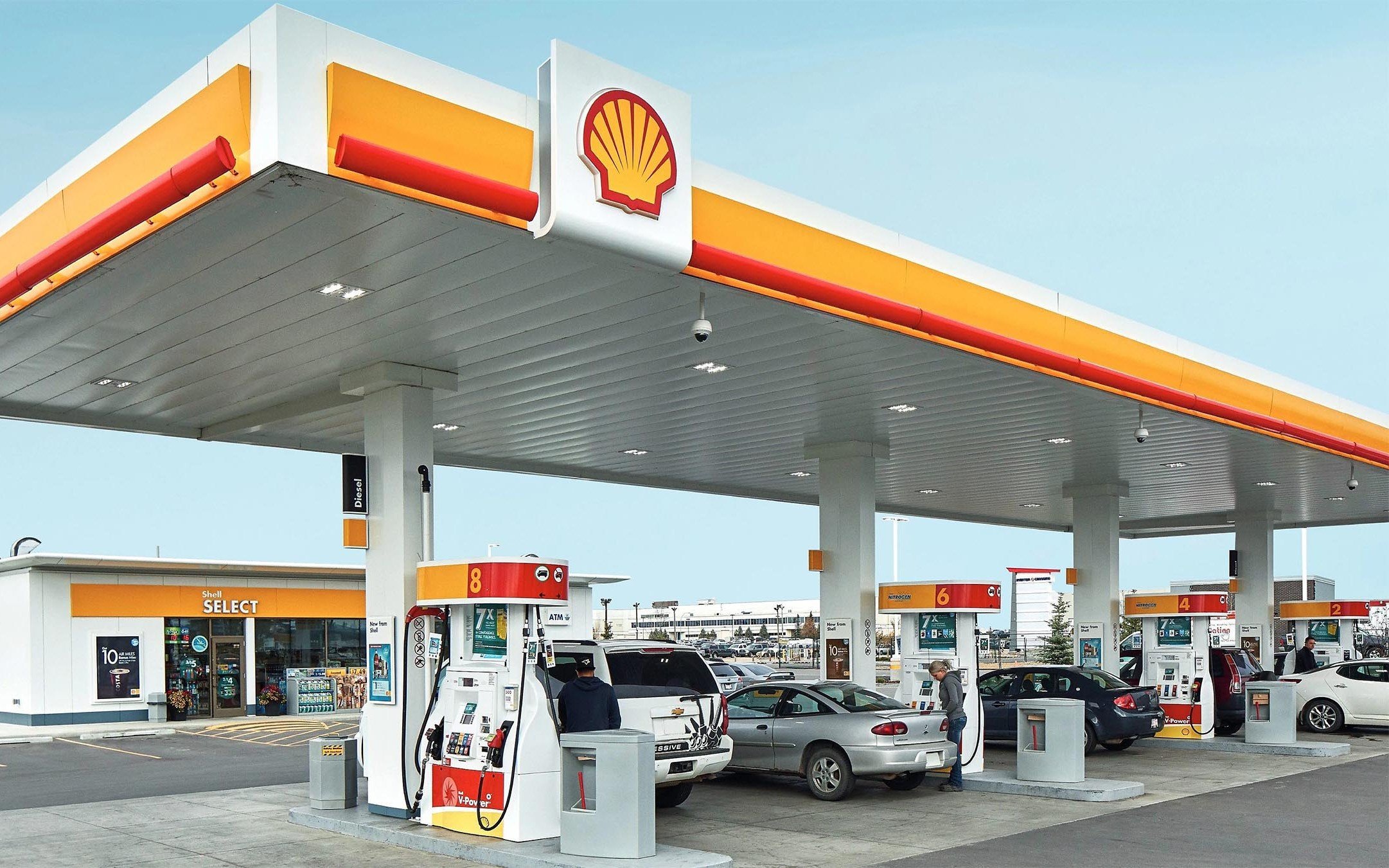
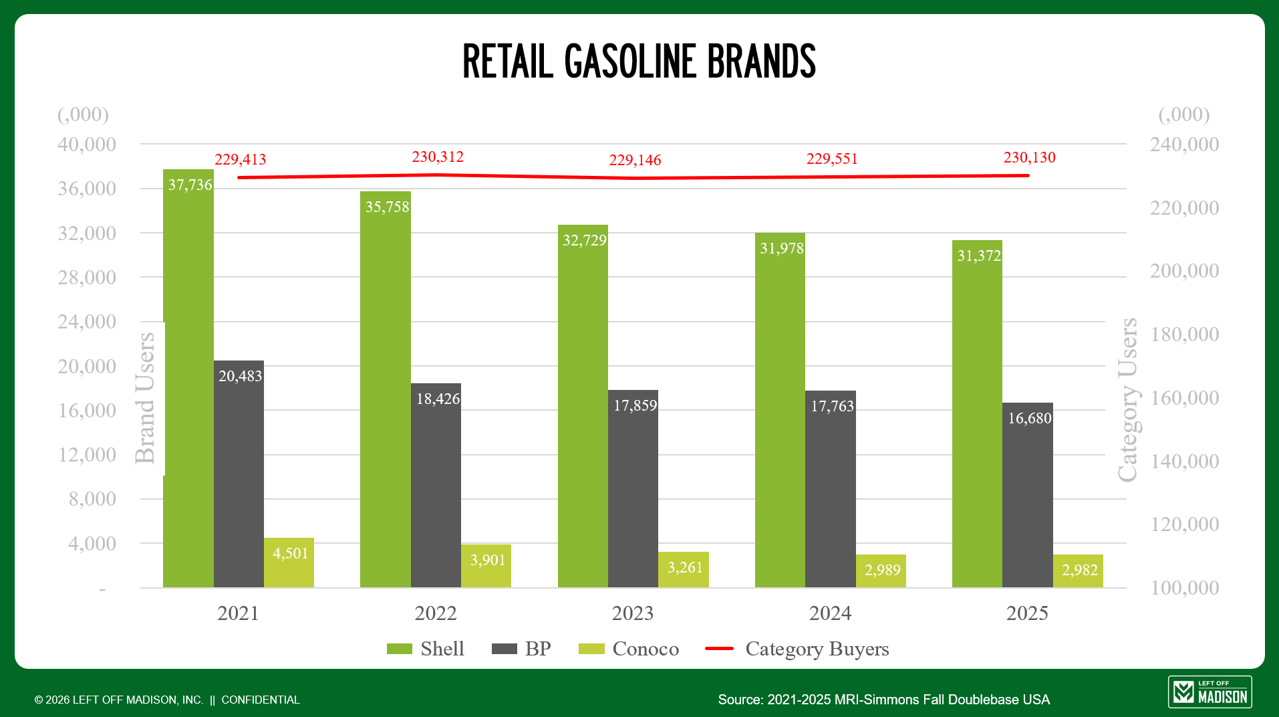
Shell lost 7.5 million users. BP and Conoco followed. Meanwhile:
Costco: +4.9MM users
Walmart: +2.3MM
7-Eleven: +1.5MM
Category demand is flat. But heavy users are up +23%.
That means: The most valuable customers are buying more—and optimizing harder. Gas has become:
A price decision
A proximity decision
An ecosystem decision
Not a brand decision.
Costco sells:
Smart savings
Walmart sells:
Everyday value
7-Eleven sells:
Time
Shell sells:
Gasoline
Diagnosis: In a commodity category, if you don’t create value beyond price, you lose to those who do.
The Pattern Across All Five
Different categories. Same story. Across summer’s most visible consumption moments:
Backyard grilling
Snacking
Travel
Entertainment
Content creation
Consumers are shifting toward:
1. From Trust → Relevance
Trust is expected.
Relevance drives choice.
2. From Occasion → Frequency
Winning brands show up more often, not just in big moments.
3. From Product → Identity
People don’t just buy what something is.
They buy what it says about them.
4. From Familiarity → Stimulation
Safe doesn’t win anymore.
Interesting does.
5. From Brand → System
Increasingly, brands win when they are part of:
A lifestyle
An ecosystem
A daily behavior
The Real Takeaway for CMOs
None of these brands failed because their products got worse. They failed because:
The context around them changed faster than they did.
And in every case:
The warning signs were visible early
The category data was clear
The shifts were behavioral, not sudden
The Opportunity (For Those Willing to Act)
Every one of these declines is reversible.
But not with:
Incremental innovation
More media spend
Better optimization
It requires:
Reframing the role of the brand
Redefining the value exchange
Re-entering culture with intent
Because the brands that win next summer won’t just be:
Seen
Or remembered
They’ll be:
Chosen—more often, more easily, and for better reasons.
Final Word
Summer doesn’t create brand problems. It exposes them. And right now, it’s exposing a simple truth:
Growth doesn’t come from doing more.
It comes from becoming more relevant to how people live today.