
What’s Driving Growth Right Now
Most insights explain the past. Ours are built to win what’s next.
This is where we call out what’s breaking, what’s working, and where growth is being created right now—so you can move before everyone else does.

Luxury’s Retreat Is Premium’s Opportunity
Consumers are rethinking what’s worth paying more for. As luxury moves further out of reach, premium brands have an opportunity to earn that spending. When every dollar matters, better has to matter more.
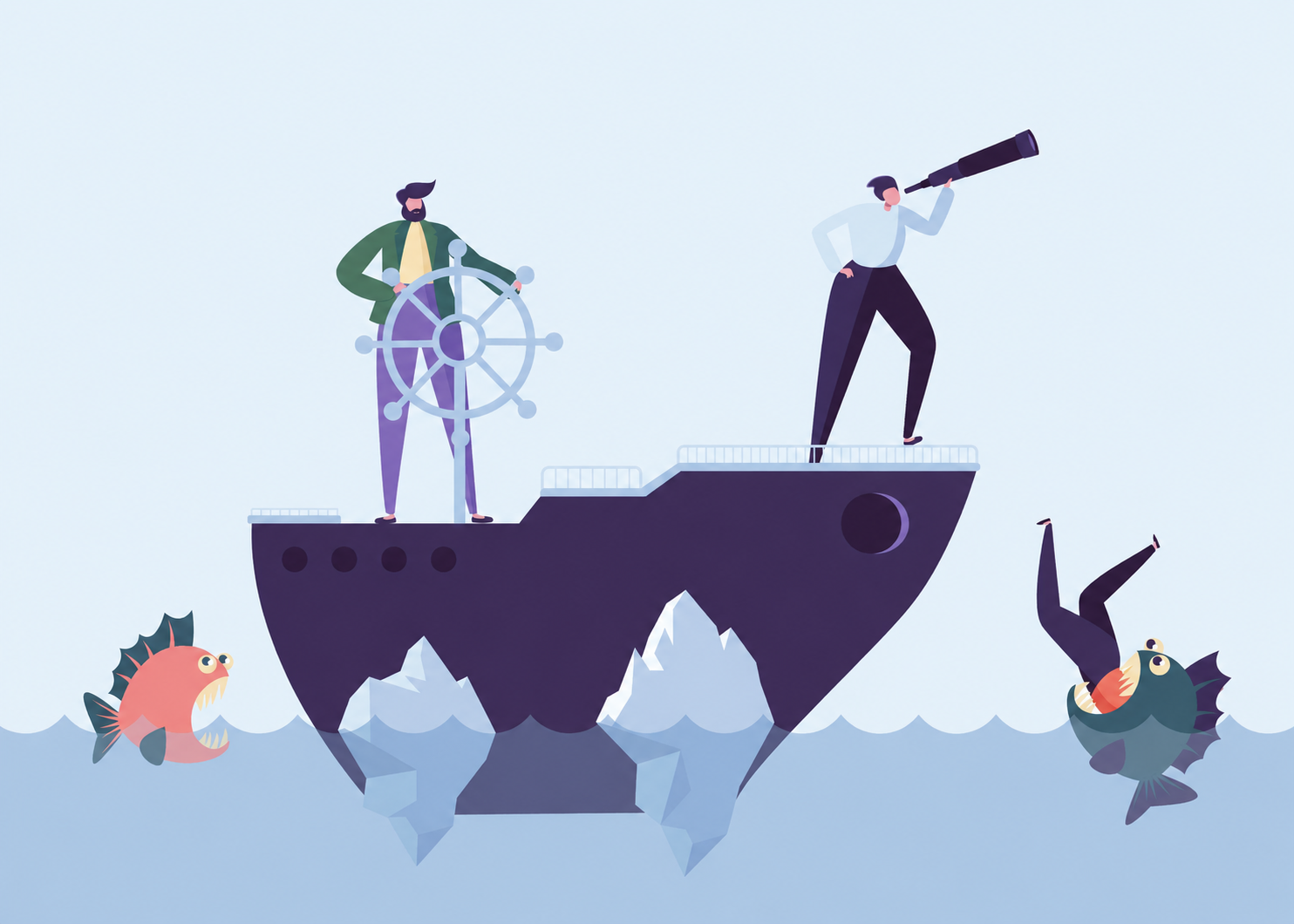
One Funnel Needs One Captain
Consumers experience one brand— not an agency roster. Rob Douglas explains why one lead agency should connect creative, media, measurement and optimization across the full funnel to turn fragmented activity into accountable growth.
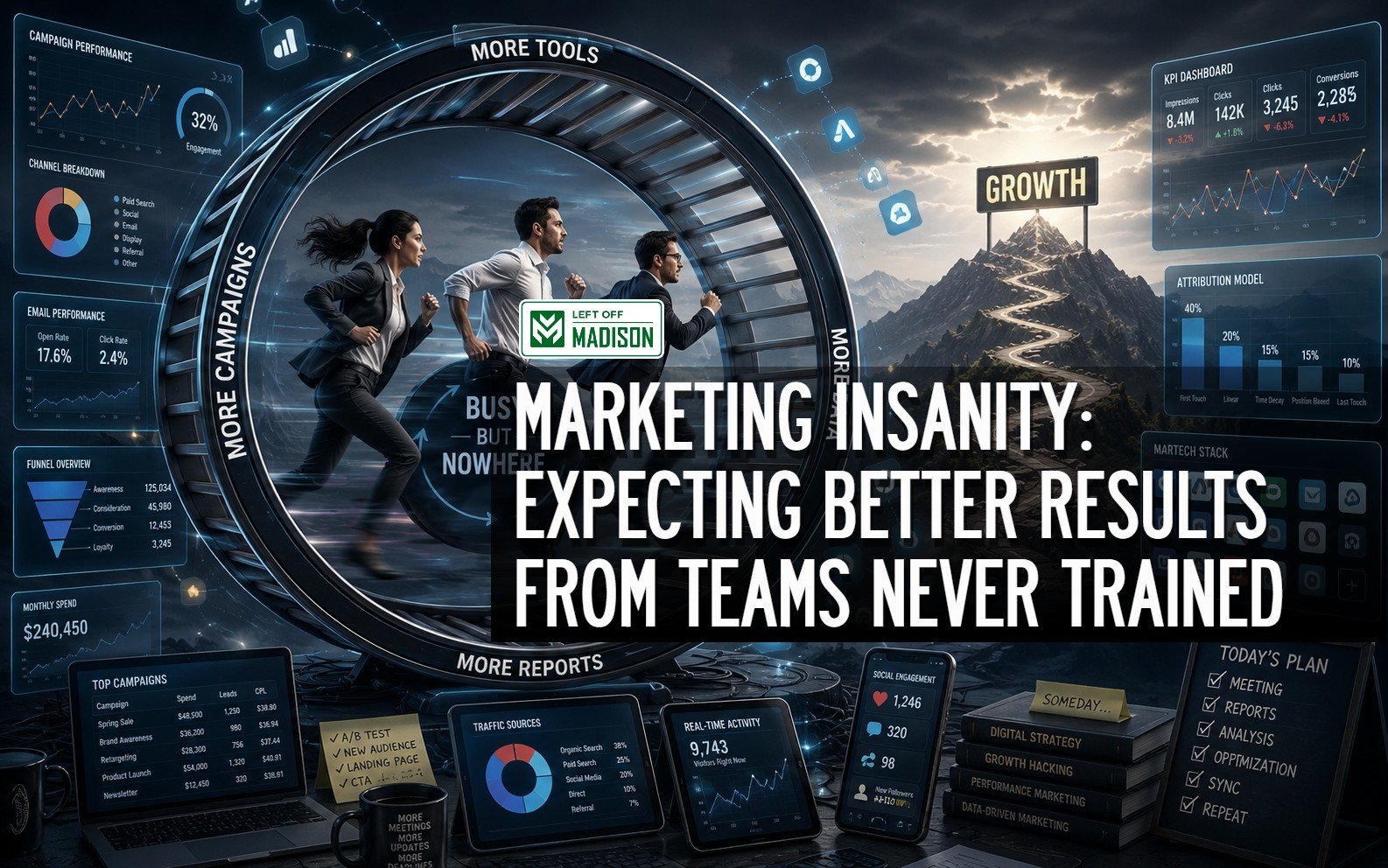
Marketing Insanity: Expecting Better Results From Teams that were Never Trained
Companies expect marketers to master strategy, creative, media, production, data and AI — but rarely train them to make those disciplines work together. Left Off Madison examines the skills gap and asks whether agencies should help close it.

Everyone Needs an 18th Birthday
A childhood ultimatum taught me that growth often begins when doing nothing is no longer an option — a lesson for people, careers, companies, brands and ad agencies.

Beware the Ad Agency Selling You Tomorrow’s Customer While Ignoring Today’s Buyer.
Too many marketing plans confuse youth with growth. But “maybe they’ll buy us someday” is not a media strategy most companies can afford to overfund. The better question is not “How do we look younger?” It is: “Who can help us grow now?”
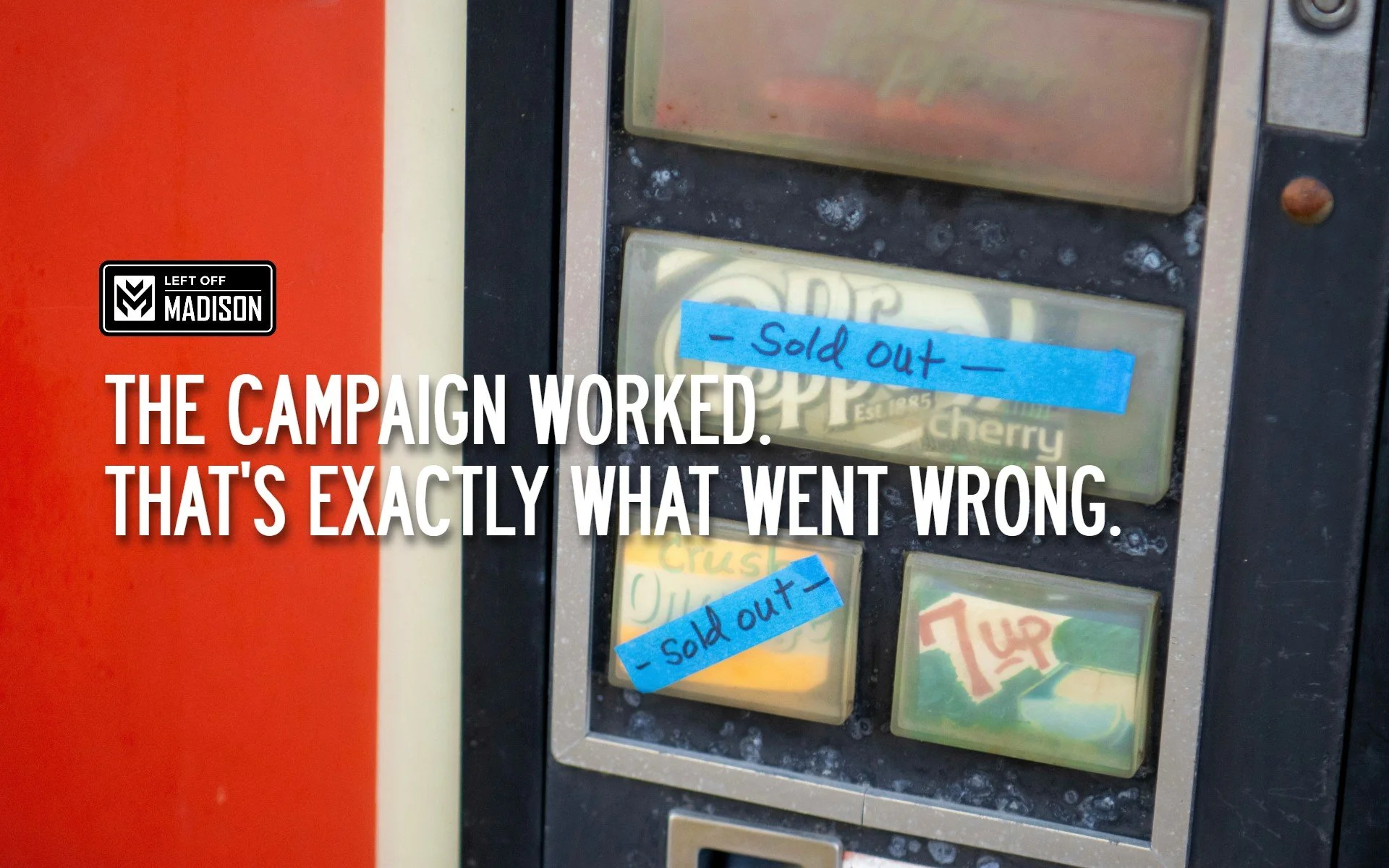
The Campaign Worked. That's Exactly What Went Wrong.
Advertising did exactly what it was supposed to do: create demand. Then the product sold out before the official launch, forcing the campaign to stop. Here's why "out of stock" isn't a marketing victory — it's often a sign that your growth system wasn't ready for success.
Panic Is Not a Strategy
Part 3 of a three-part series exploring the strategic discipline required to drive sustainable growth.
One of the most expensive mistakes in marketing isn't launching the wrong plan—it's abandoning the right one too soon. Too many teams mistake impatience for optimization, changing strategy before it has time to work. Growth requires execution, learning, and above all, discipline.
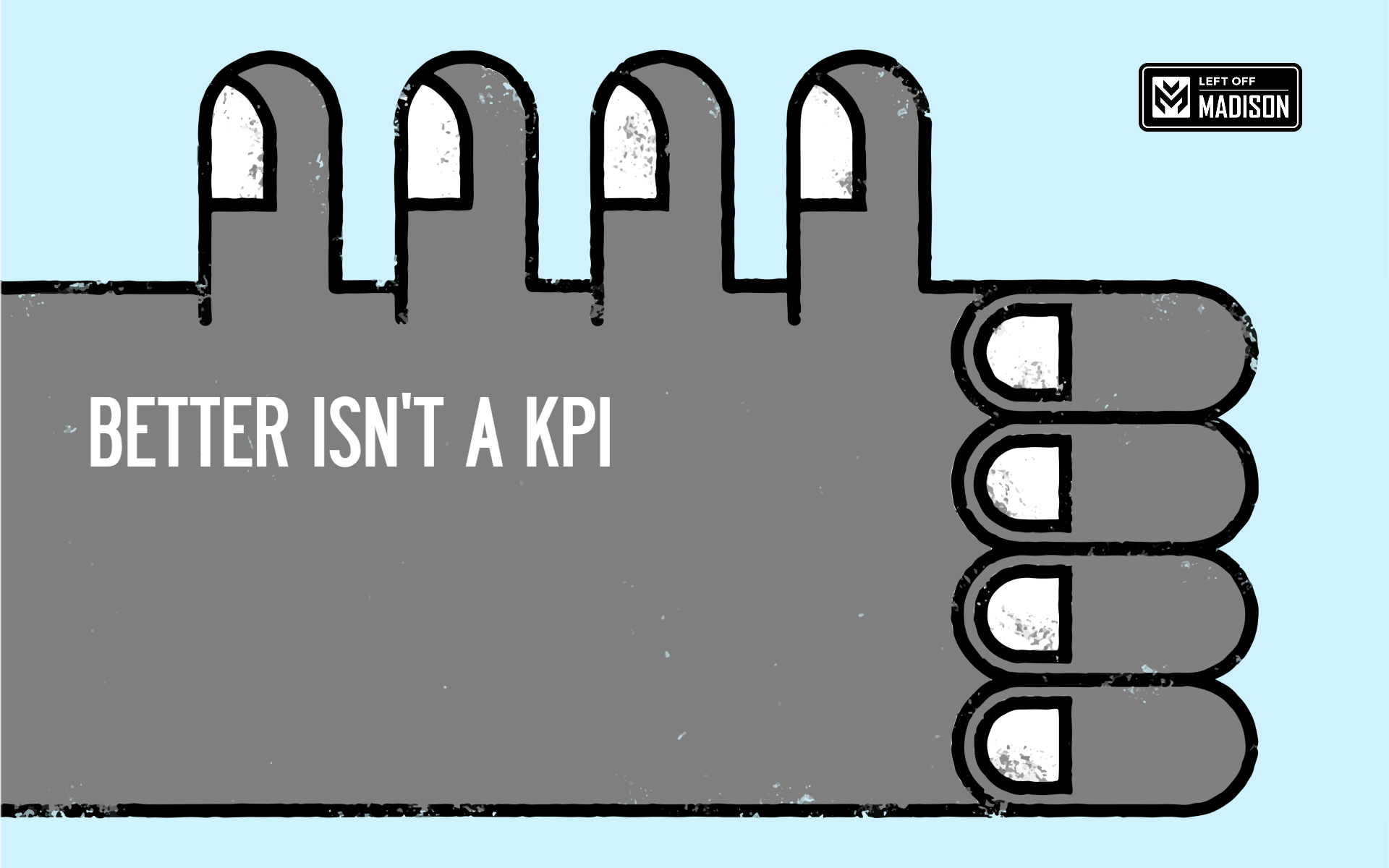
Better Isn't a KPI
Part 2 of a three-part series exploring the strategic discipline required to drive sustainable growth.
Every agency has heard it: "We need better results." Better than what? ROAS? Revenue? Market share? Customer acquisition? Success cannot be optimized if it hasn't been defined. Before launching your next campaign, make sure everyone agrees on what winning actually looks like.
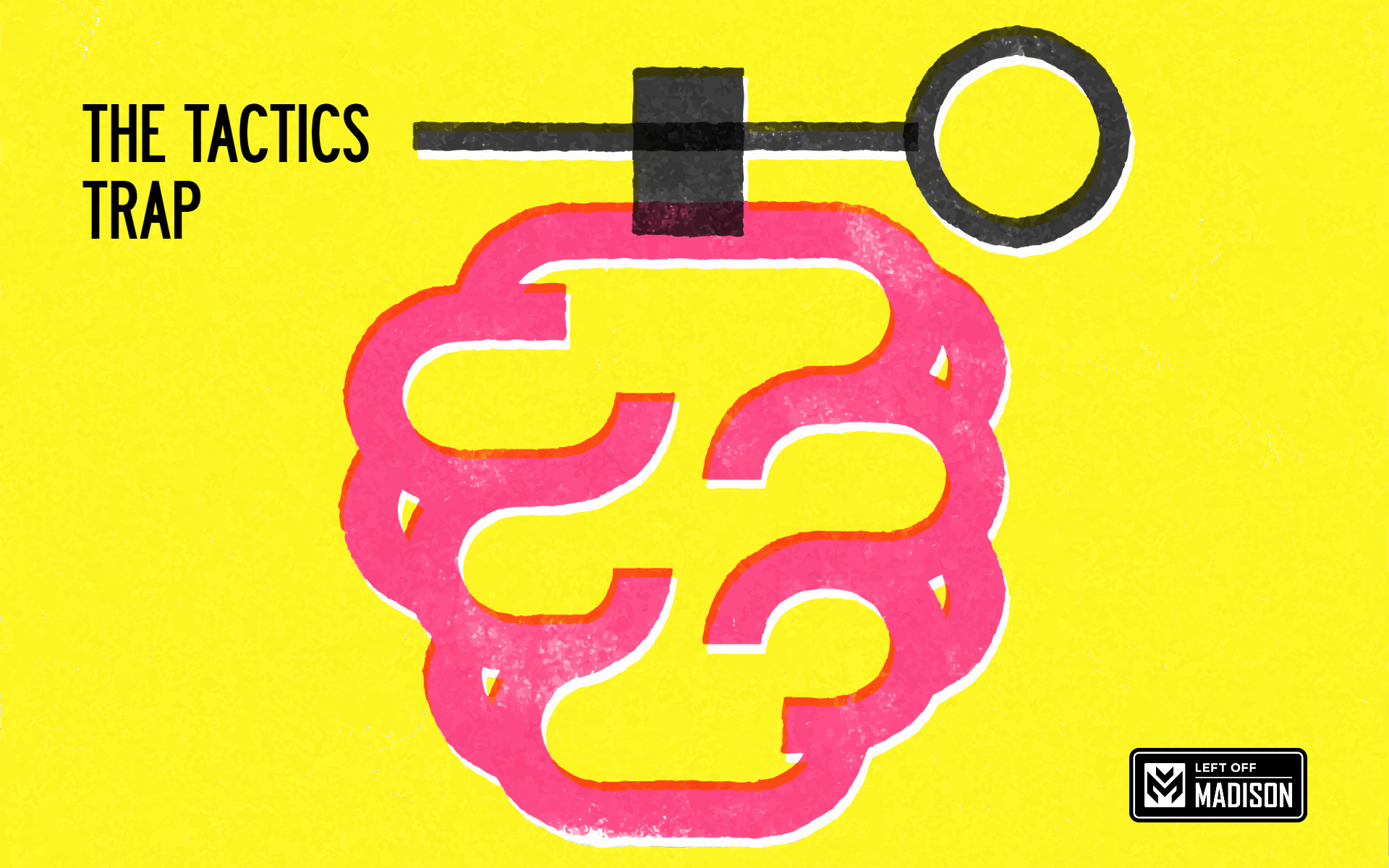
The Tactics Trap
Part 1 of a three-part series exploring the strategic discipline required to drive sustainable growth.
Retail media. Influencers. AI. Social media. Powerful tools—but none of them are strategy. Too many organizations have become obsessed with tactics while losing sight of what they're trying to achieve. The result is more activity, more dashboards, and often less growth. Before choosing the channel, choose the objective.

Growth Watch List: 5 Brands In Decline, may 2026
Legacy brands are losing household penetration even inside growing categories. From spirits and restaurants to automotive, grocery, and politics, new MRI-Simmons data reveals a deeper shift underway: consumers increasingly reward brands and institutions that feel culturally relevant, emotionally meaningful, identity-aligned, and future-facing. The warning signs often appear long before revenue decline becomes obvious.

HOW TECHNICS BECAME THE SOUNDTRACK OF MODERN GOLF CULTURE
Most sponsorships don’t create cultural relevance. They create branded wallpaper. See how Left Off Madison helped Technics move beyond traditional audio marketing and become part of modern golf culture through HypeGolf — integrating music, fashion, nightlife, retail, and community into a cultural activation designed to build real relevance, not just impressions.
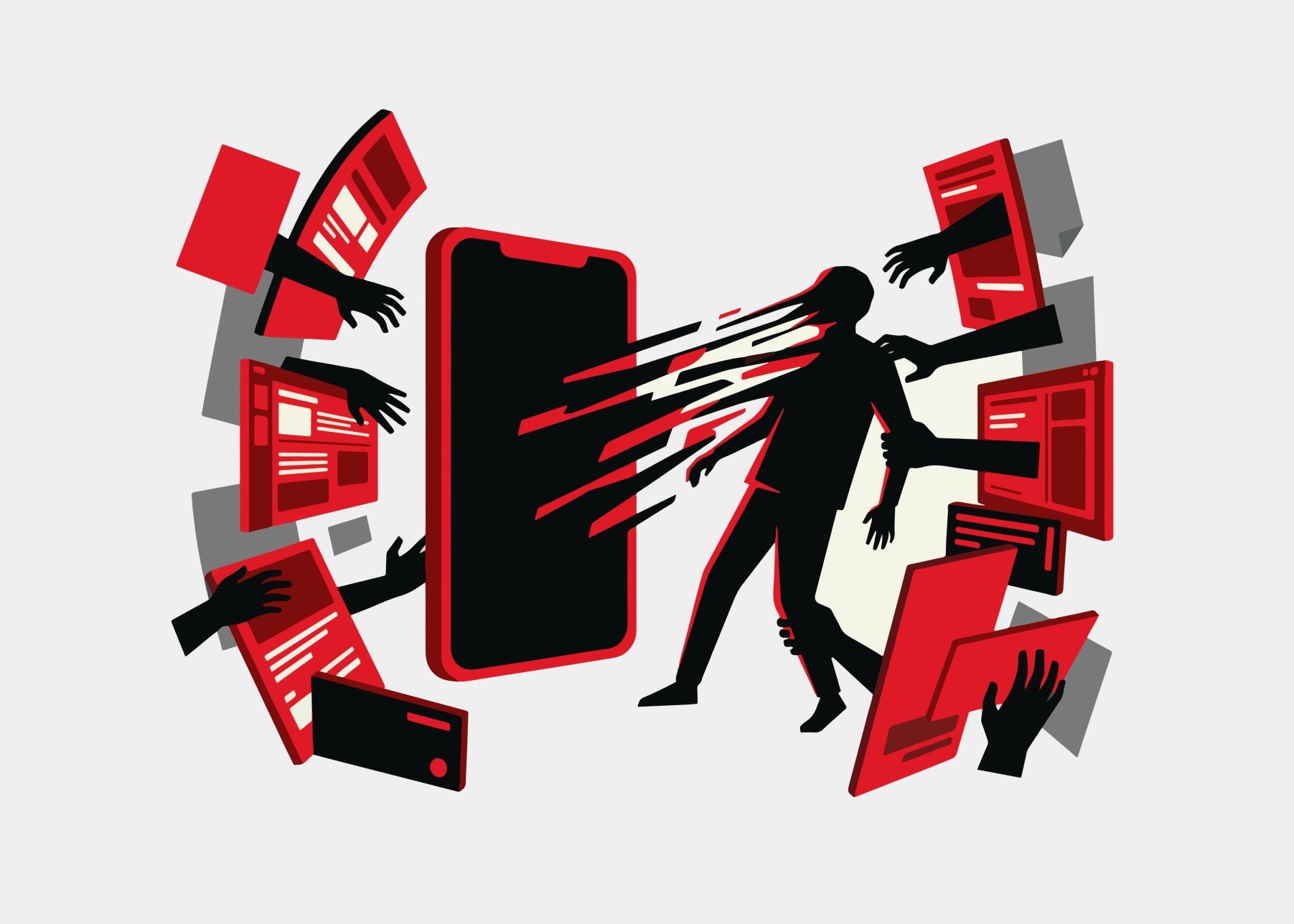
Why Smart Clients Hire AD Agencies — and Why They Fire Them
Smart clients hire agencies for progress. But agency relationships fall apart when strategy gets quiet, results stall, scope grows unfairly, or clients say they want challenge — then punish the agency for actually challenging them.
Most Brands Are Missing One Of The Largest Growth Opportunities In America
Most brands dramatically overestimate how effectively their “general market” advertising reaches multicultural audiences. But MRI-Simmons data and real-world media behavior tell a different story. From Hispanic and Asian audiences to Middle Eastern and African-origin consumers, cultural nuance, language dependency, and media fragmentation are creating one of the largest untapped growth opportunities in modern marketing.

Breaking Out Of The Commodity Coop
Left Off Madison helped launch and grow Just BARE as Pilgrim’s Pride sought to transform chicken from a commodity purchase into a modern consumer brand. Explore how integrated retail strategy, advertising, shopper marketing, and challenger-brand thinking helped establish the foundation for what would later become a $1B brand.

Stop Selling the Product. Start Selling What It Means.
Product differentiation gets a brand noticed. Emotional differentiation gets it chosen. In crowded categories, features, ingredients, and claims are quickly copied. What lasts is the emotional meaning a brand creates—fun, confidence, belonging, trust, or aspiration. That’s what builds loyalty, premium pricing power, and long-term growth when product parity takes over.
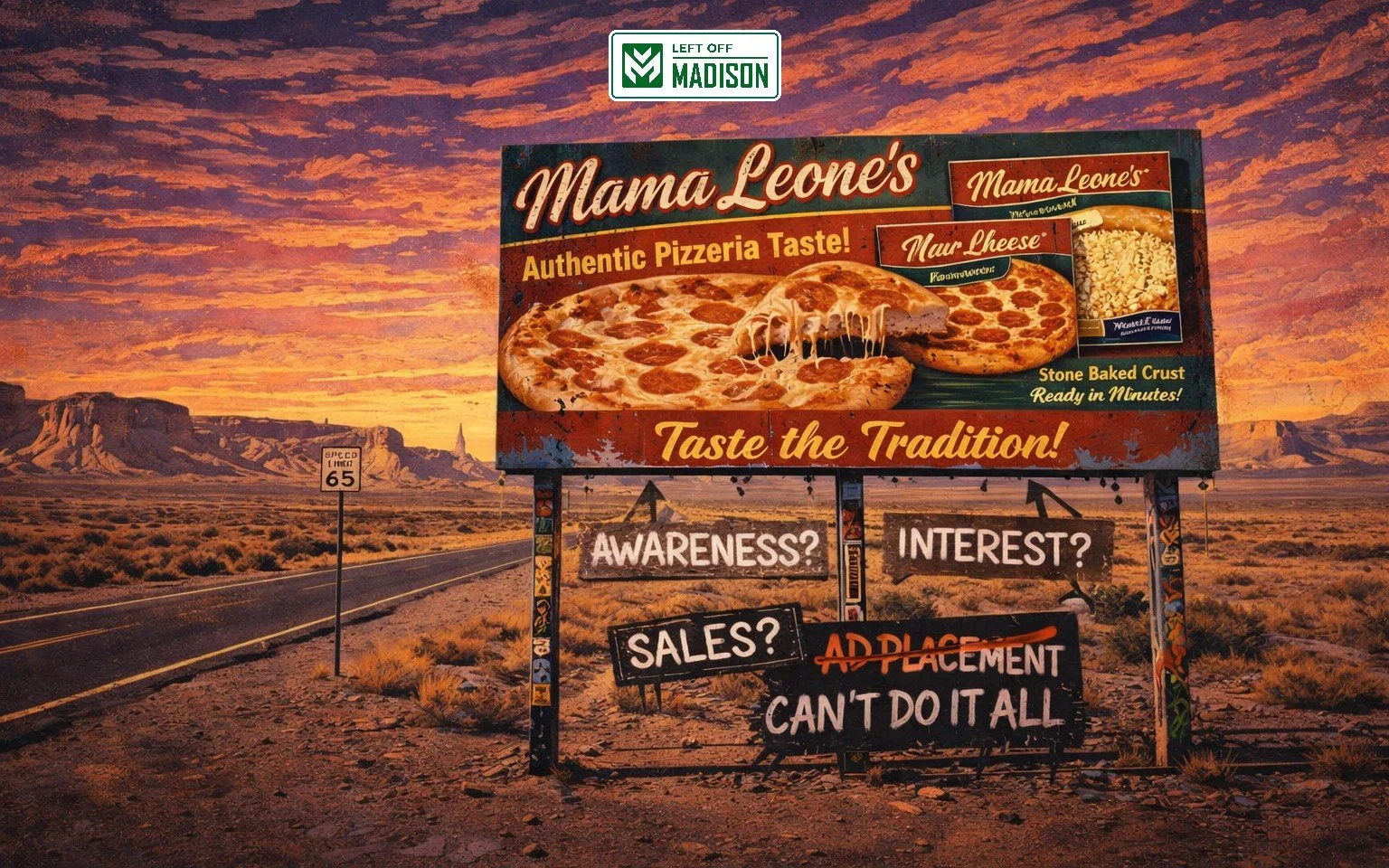
The Funnel Isn’t Broken. Demand Creation Is.
Too many brands are trying to close demand they never created. They overinvest in the bottom of the funnel, underinvest in awareness and consideration, and then wonder why growth stalls. The problem is not a lack of impressions. It is the absence of a system that makes those impressions matter.

Moving More Than Money
Western Union already had global scale. The larger challenge was maintaining emotional relevance in a rapidly evolving digital world. Explore how Left Off Madison helped reconnect money transfer with culture, family, identity, and human connection through multicultural strategy, precision communications, and emotionally-driven marketing designed for audiences spanning Mexican, Filipino, Pakistani, Nigerian, Indian, Chinese, and other communities worldwide.

Why Most Marketing Plans Fail the Budget Test
Most marketing plans fail basic math. Big ambitions. Tiny budgets. National goals with local resources. Before you blame creative or media, check the numbers.
The Growth Watchlist: March Edition
Five categories. Millions of lost users. And not one of them is a demand problem. From backyard staples to road trip essentials, the brands losing right now all made the same mistake: they stayed familiar while consumers moved on. Meanwhile, competitors didn’t just get better, they got more relevant. If your brand still relies on what worked yesterday, this one’s worth your attention.

10 Questions We Ask That Most Agencies Don’t
Before we write a headline or spend a media dollar, we ask questions— some uncomfortable, some unexpected, all necessary. At Left Off Madison, these questions expose flawed assumptions, unrealistic goals, and hidden opportunities inside the client brief. From “Who really makes the purchase decision?” to “What would actually cause this campaign to fail?”, these 10 questions often determine whether a campaign merely looks good or actually drives growth.