
What’s Driving Growth Right Now
Most insights explain the past. Ours are built to win what’s next.
This is where we call out what’s breaking, what’s working, and where growth is being created right now—so you can move before everyone else does.
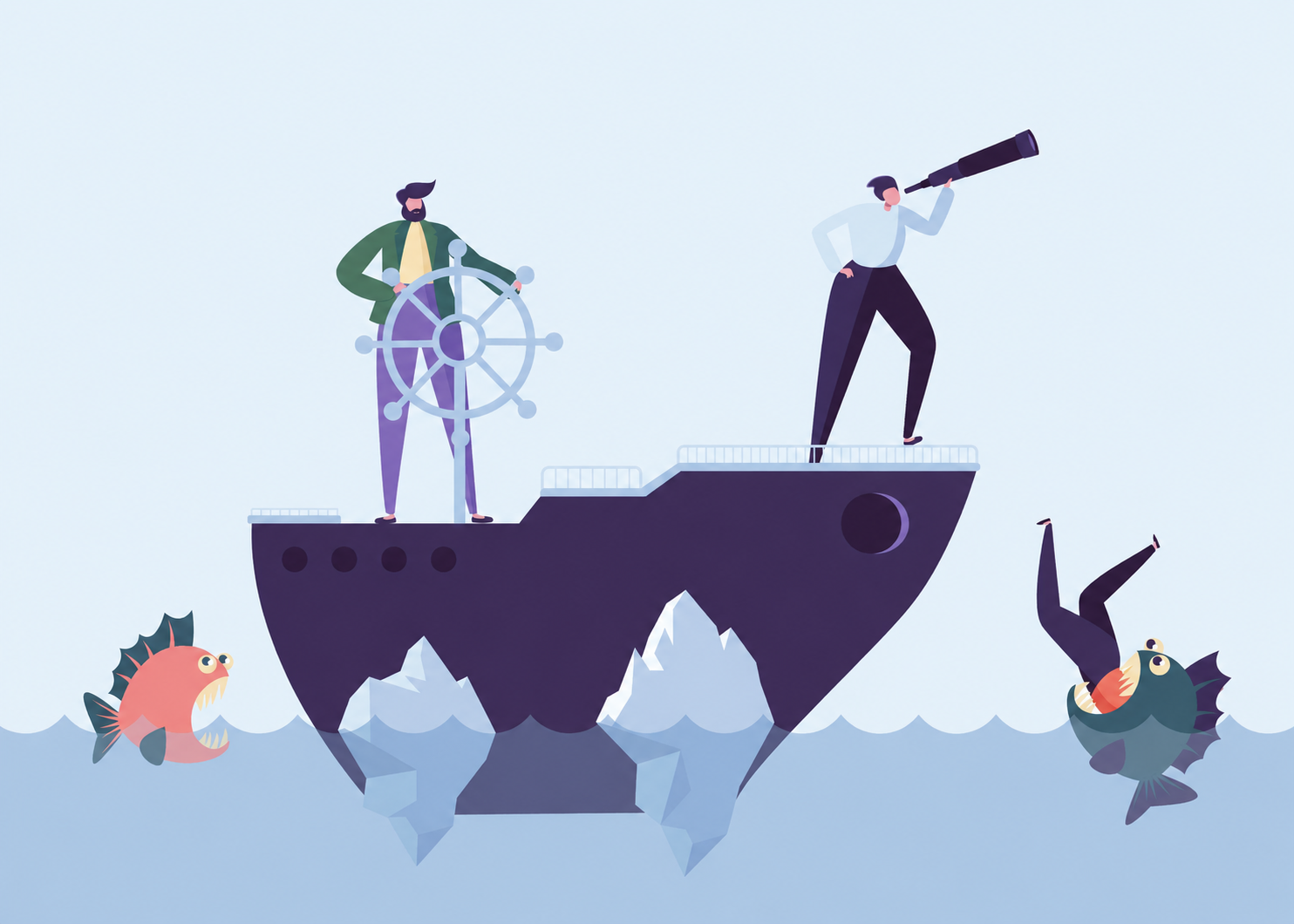
One Funnel Needs One Captain
Consumers experience one brand— not an agency roster. Rob Douglas explains why one lead agency should connect creative, media, measurement and optimization across the full funnel to turn fragmented activity into accountable growth.

The Work Before the Work Is Still Work
An ad agency was invited to solve an underperforming campaign. It developed a complete new strategy— then realized that presenting it might mean giving away its most valuable work. Where should agencies draw the line between being proactive and working for free?

The Quiet Bank Switch: How Retail Banks Lose Share of Wallet Before They Lose the Customer
Customers rarely leave a bank all at once. They quietly move money, attention and trust elsewhere. The Quiet Bank Switch explores how retail banks lose share of wallet— and how relevance, useful advice and better experiences can win it back.
Inside the indie agencies founded by Omnicom and IPG’s former staffers
DIGIDAY spotlights Left Off Madison co-founder Rob Douglas among the indie leaders reshaping the agency model combining big-agency experience with the flexibility, senior attention and integrated services modern brands need.
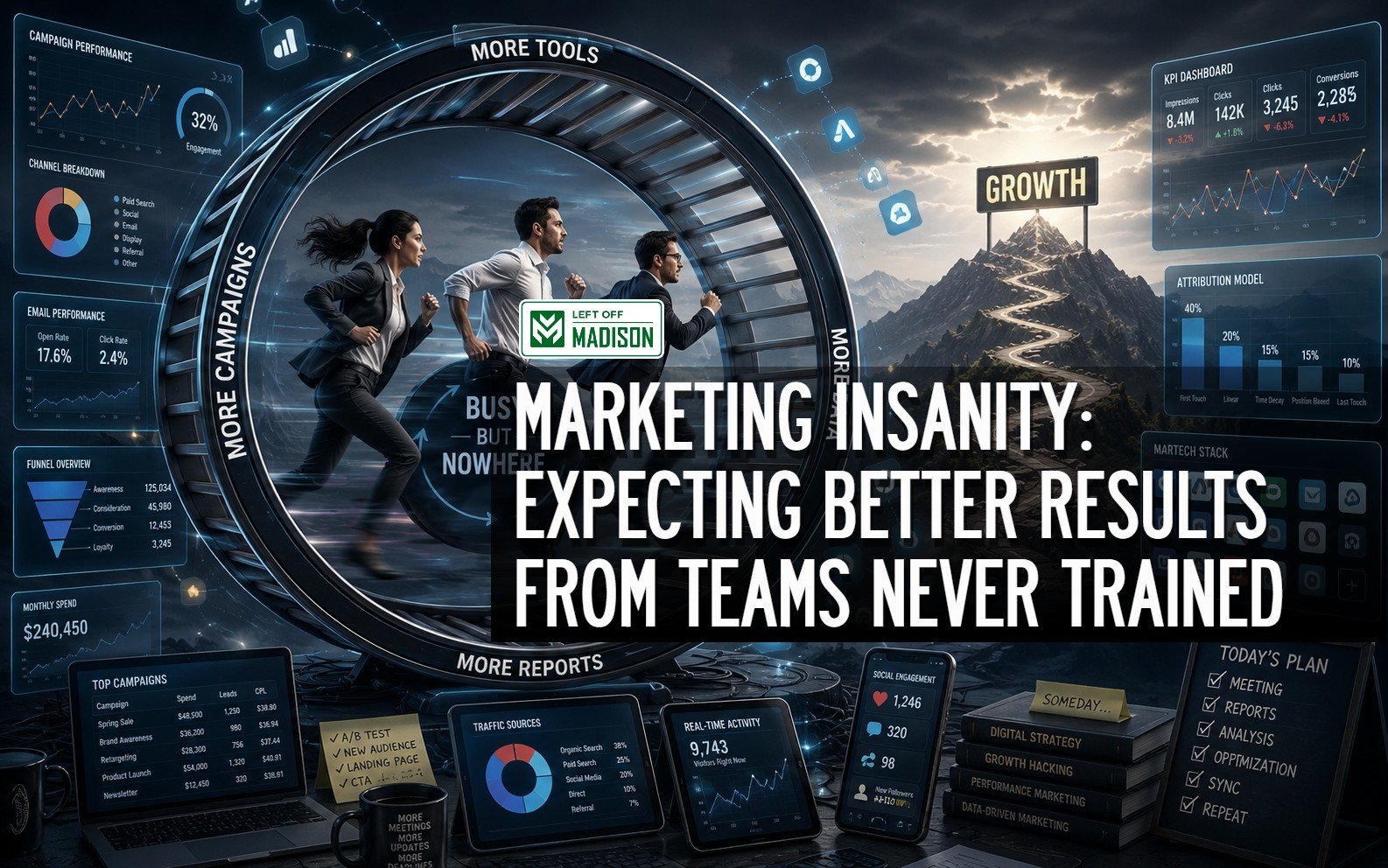
Marketing Insanity: Expecting Better Results From Teams that were Never Trained
Companies expect marketers to master strategy, creative, media, production, data and AI — but rarely train them to make those disciplines work together. Left Off Madison examines the skills gap and asks whether agencies should help close it.
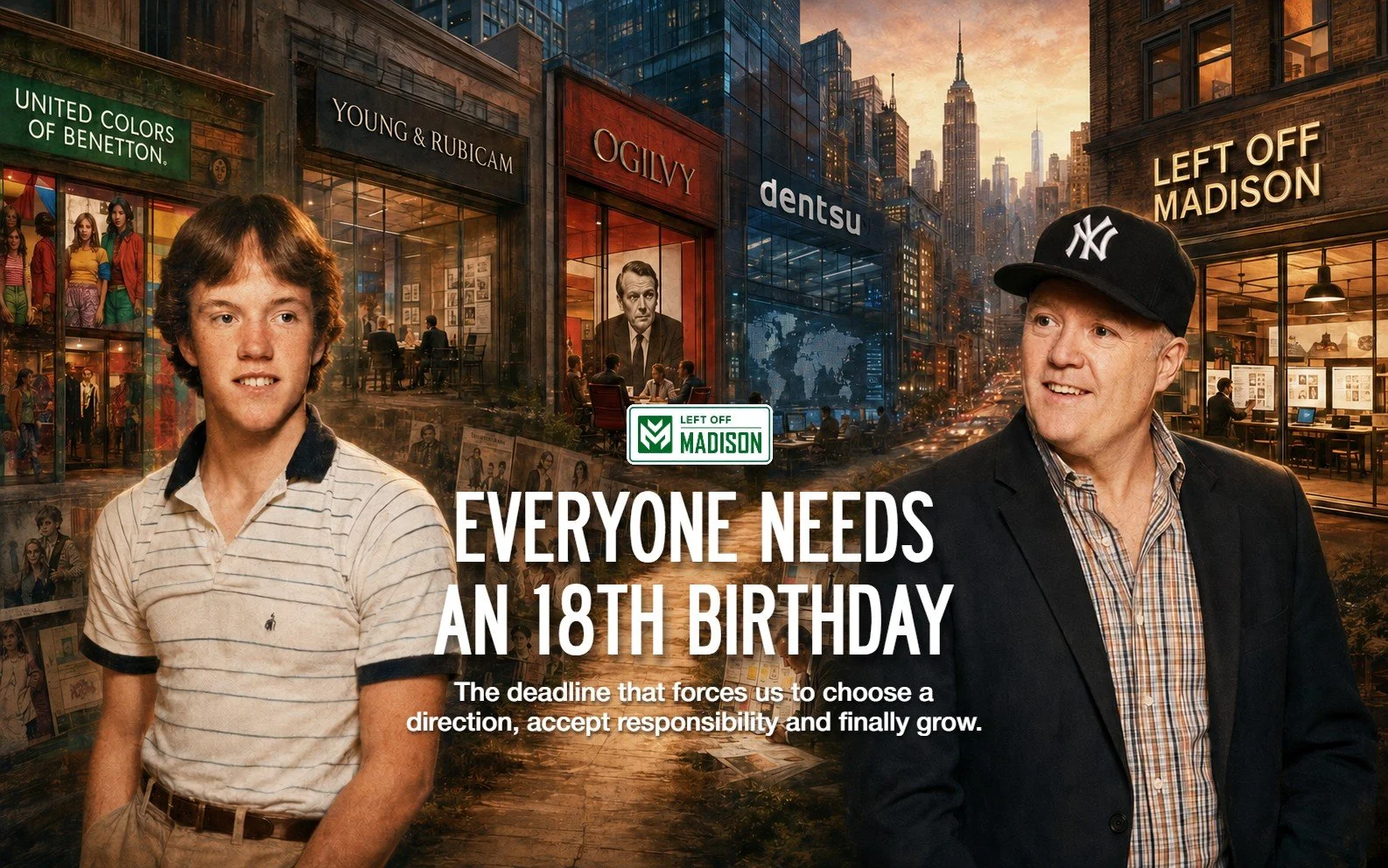
Everyone Needs an 18th Birthday
A childhood ultimatum taught me that growth often begins when doing nothing is no longer an option — a lesson for people, careers, companies, brands and ad agencies.
The CMO Is Not Being Eliminated. Wasteful Marketing Is.
The CMO isn’t dead. Wasteful marketing is. As companies demand CFO-level discipline from marketing leaders, oversized agency models are running out of places to hide.

Beware the Ad Agency Selling You Tomorrow’s Customer While Ignoring Today’s Buyer.
Too many marketing plans confuse youth with growth. But “maybe they’ll buy us someday” is not a media strategy most companies can afford to overfund. The better question is not “How do we look younger?” It is: “Who can help us grow now?”
The Campaign Worked. That's Exactly What Went Wrong.
Advertising did exactly what it was supposed to do: create demand. Then the product sold out before the official launch, forcing the campaign to stop. Here's why "out of stock" isn't a marketing victory — it's often a sign that your growth system wasn't ready for success.
Panic Is Not a Strategy
Part 3 of a three-part series exploring the strategic discipline required to drive sustainable growth.
One of the most expensive mistakes in marketing isn't launching the wrong plan—it's abandoning the right one too soon. Too many teams mistake impatience for optimization, changing strategy before it has time to work. Growth requires execution, learning, and above all, discipline.
Better Isn't a KPI
Part 2 of a three-part series exploring the strategic discipline required to drive sustainable growth.
Every agency has heard it: "We need better results." Better than what? ROAS? Revenue? Market share? Customer acquisition? Success cannot be optimized if it hasn't been defined. Before launching your next campaign, make sure everyone agrees on what winning actually looks like.
The Tactics Trap
Part 1 of a three-part series exploring the strategic discipline required to drive sustainable growth.
Retail media. Influencers. AI. Social media. Powerful tools—but none of them are strategy. Too many organizations have become obsessed with tactics while losing sight of what they're trying to achieve. The result is more activity, more dashboards, and often less growth. Before choosing the channel, choose the objective.

Growth Watch List: 5 Brands In Decline, may 2026
Legacy brands are losing household penetration even inside growing categories. From spirits and restaurants to automotive, grocery, and politics, new MRI-Simmons data reveals a deeper shift underway: consumers increasingly reward brands and institutions that feel culturally relevant, emotionally meaningful, identity-aligned, and future-facing. The warning signs often appear long before revenue decline becomes obvious.
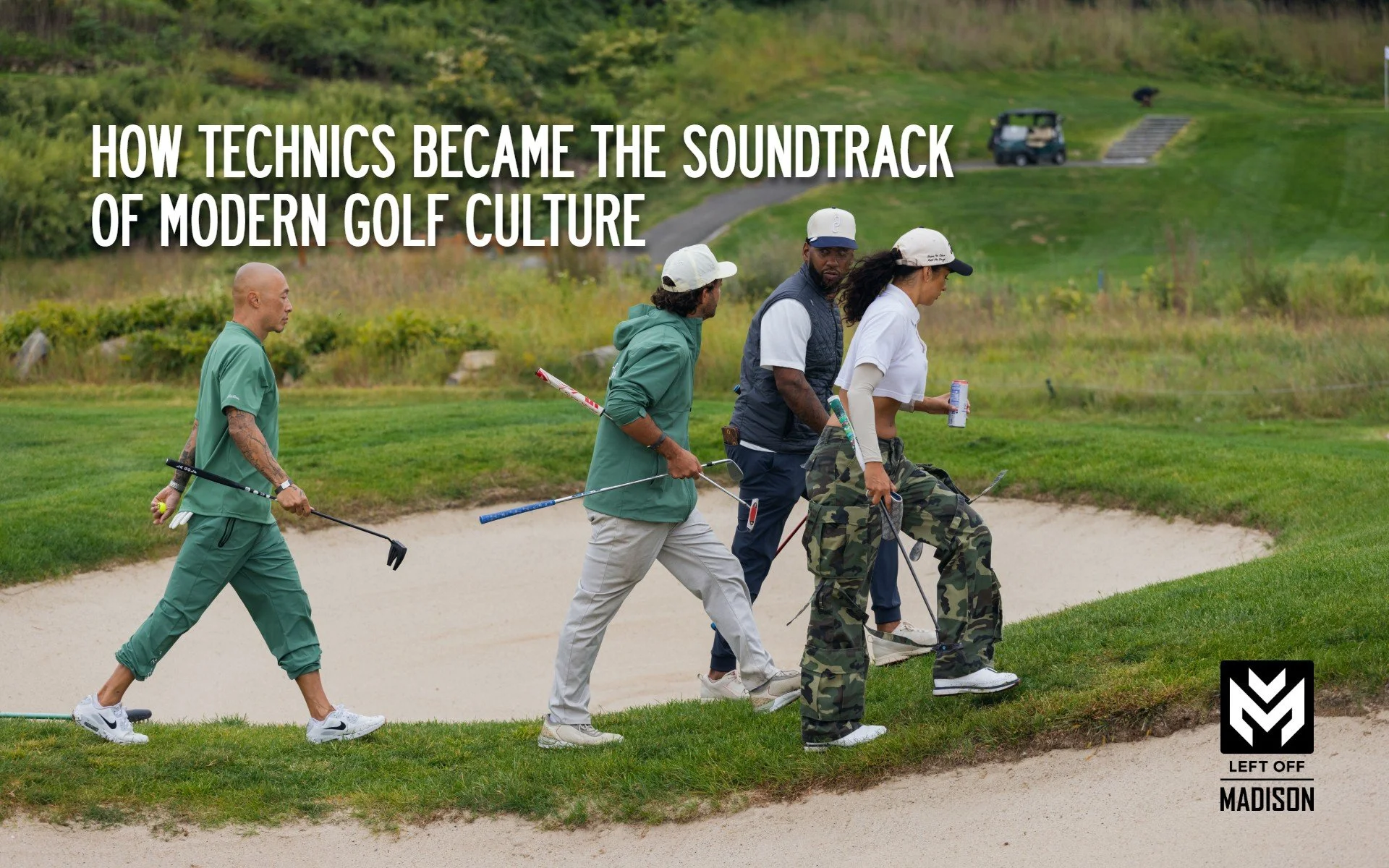
HOW TECHNICS BECAME THE SOUNDTRACK OF MODERN GOLF CULTURE
Most sponsorships don’t create cultural relevance. They create branded wallpaper. See how Left Off Madison helped Technics move beyond traditional audio marketing and become part of modern golf culture through HypeGolf — integrating music, fashion, nightlife, retail, and community into a cultural activation designed to build real relevance, not just impressions.
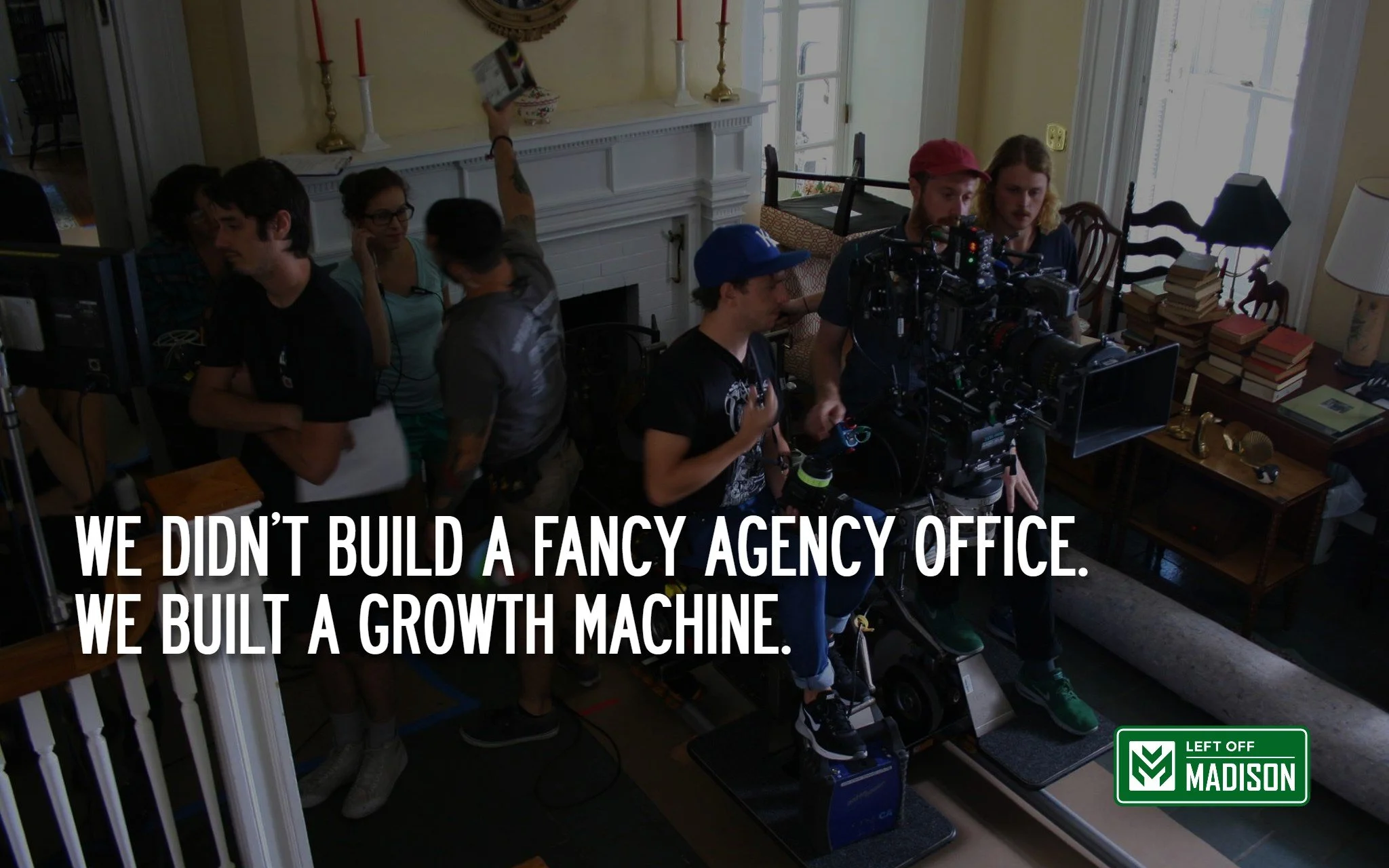
We Didn’t Build a Fancy Agency Office. We Built a Growth Machine.
Most agencies separate strategy, creative, production, and execution into different buildings, vendors, and timelines. Left Off Madison built something different: a New York office that also functions as a full-service photo and film studio. The result? Faster content, lower production costs, fewer compromises, and more creative control for marketers who need momentum, not bureaucracy.
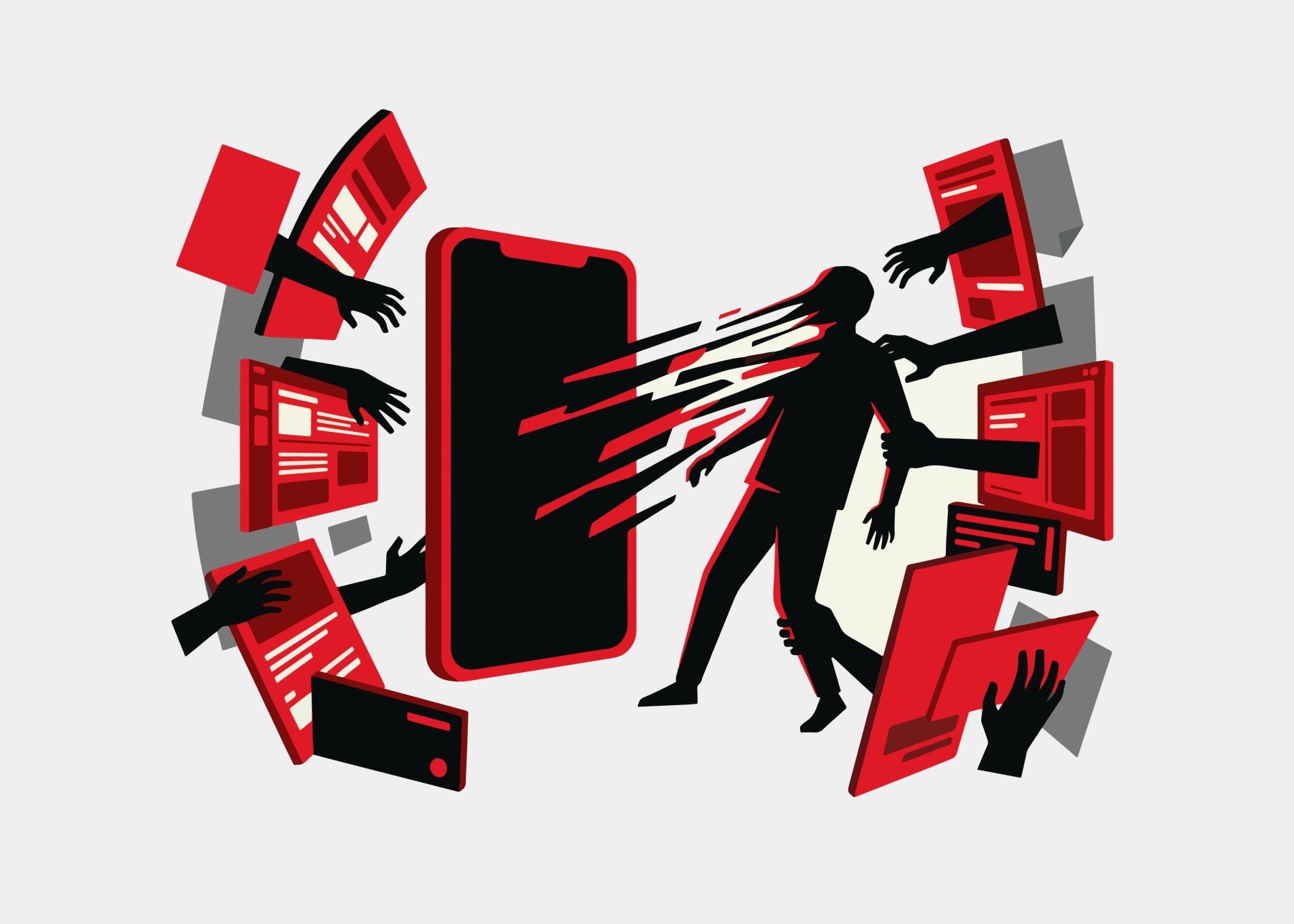
Why Smart Clients Hire AD Agencies — and Why They Fire Them
Smart clients hire agencies for progress. But agency relationships fall apart when strategy gets quiet, results stall, scope grows unfairly, or clients say they want challenge — then punish the agency for actually challenging them.
Most Brands Are Missing One Of The Largest Growth Opportunities In America
Most brands dramatically overestimate how effectively their “general market” advertising reaches multicultural audiences. But MRI-Simmons data and real-world media behavior tell a different story. From Hispanic and Asian audiences to Middle Eastern and African-origin consumers, cultural nuance, language dependency, and media fragmentation are creating one of the largest untapped growth opportunities in modern marketing.
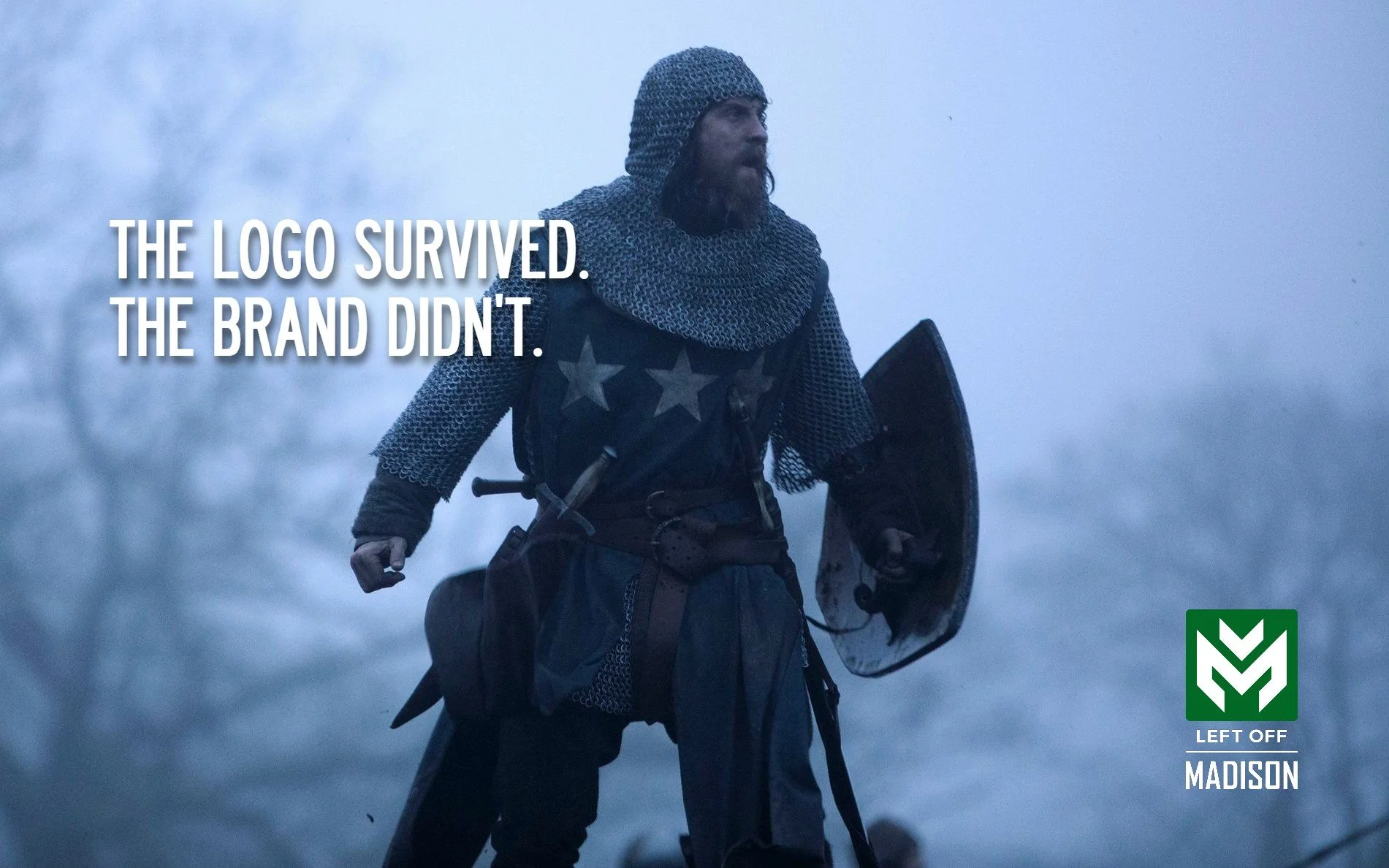
The Logo Survived. The Brand Didn’t.
The Douglas clan coat of arms may be one of history’s earliest examples of a logo becoming a true brand. Through war, reputation, mythology, and cultural meaning, the symbol evolved into something people feared, respected, and emotionally understood. But over centuries, as the stories and relevance faded, the brand slowly decayed back into a logo. A lesson many modern marketers still haven’t learned.
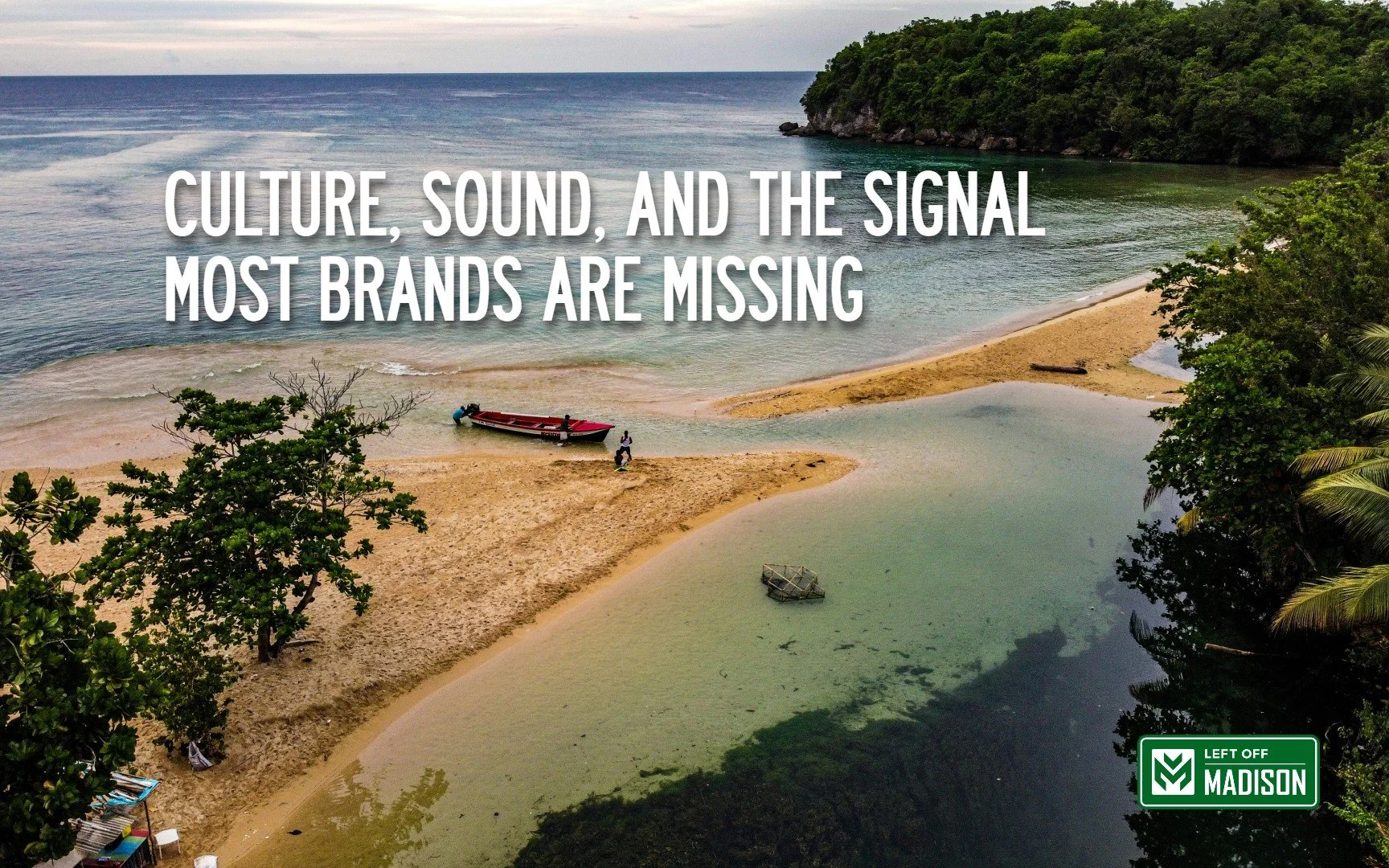
Culture, Sound, and the Signal Most Brands Are Missing
Reggae and Caribbean-rooted music aren’t just globally popular— they’re globally effective. From Kingston to San Juan, these sounds now operate at pop scale while doing something most advertising struggles to achieve: they’re felt. Slower tempos, steady rhythms, and bass-driven immersion align with how the human body responds to sound. The question isn’t why this culture travels. It’s why more brands aren’t building against it.

Breaking Out Of The Commodity Coop
Left Off Madison helped launch and grow Just BARE as Pilgrim’s Pride sought to transform chicken from a commodity purchase into a modern consumer brand. Explore how integrated retail strategy, advertising, shopper marketing, and challenger-brand thinking helped establish the foundation for what would later become a $1B brand.