lg mobile
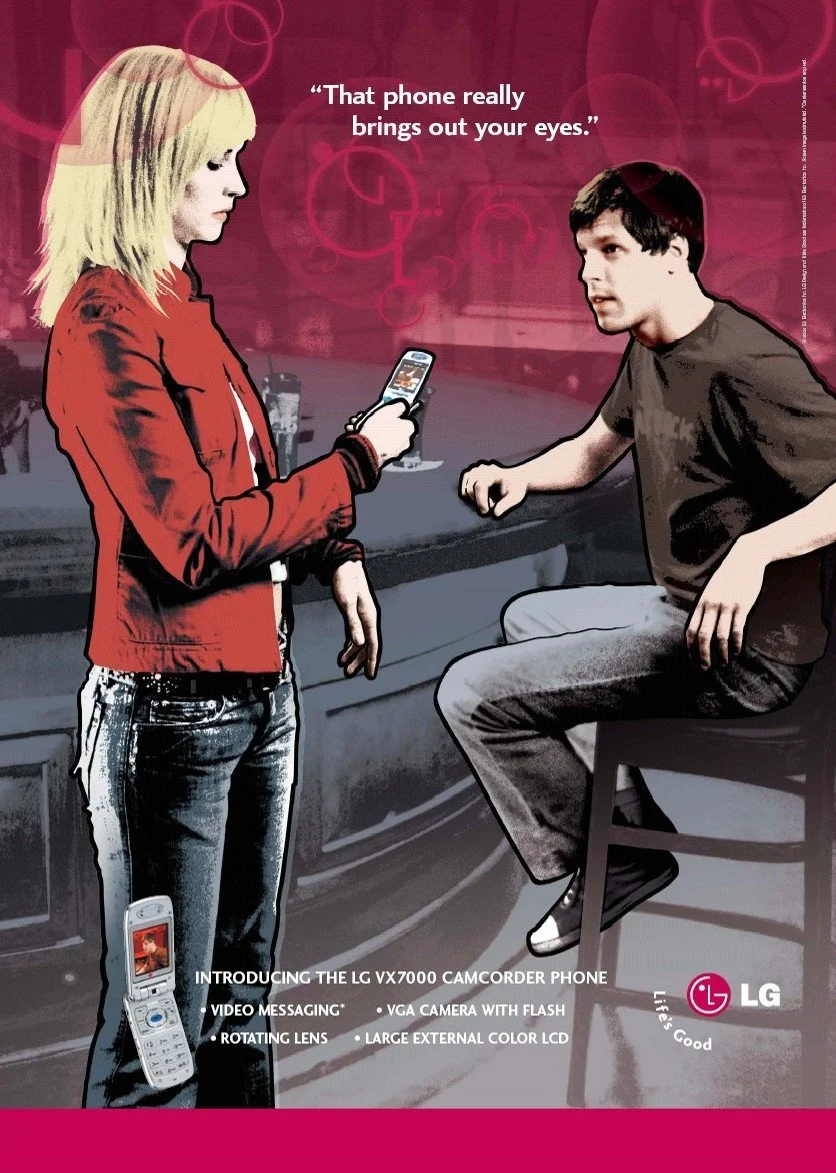
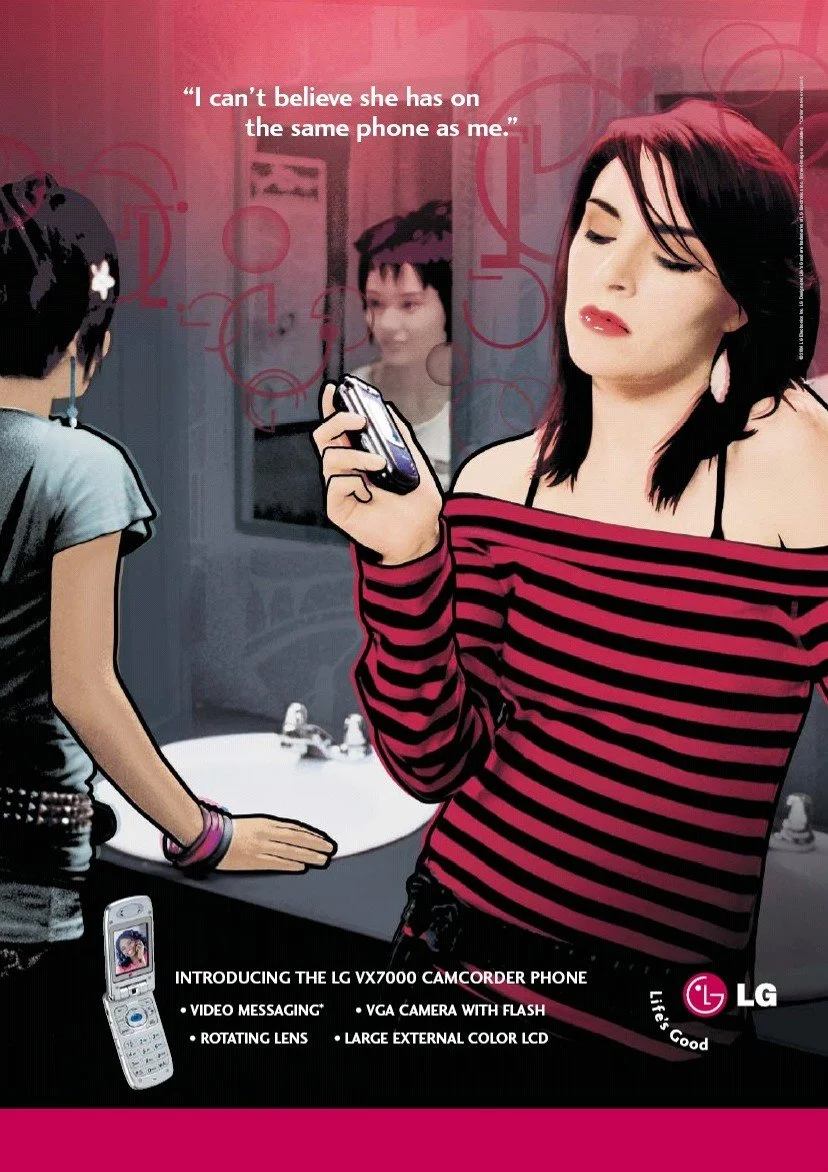
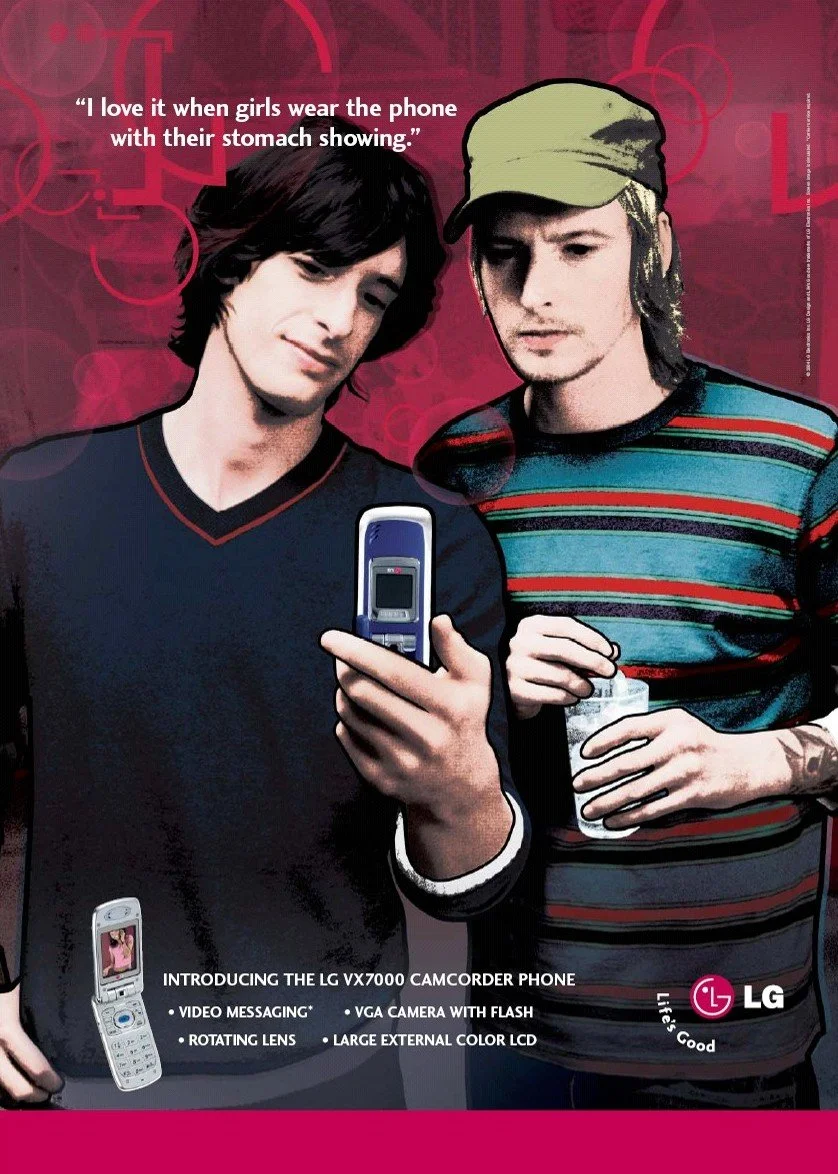
How a Non-Traditional Marketing Model Moved LG from #6 to #2 in the U.S.
Summary: LG Mobile wasn’t losing on product, it was losing on perception. In a category where traditional advertising had stopped working, Left Off Madison leadership pioneered a non-traditional, influence-led marketing model that engineered cultural credibility and real-world word-of-mouth instead of chasing impressions. Within 14 months, that approach helped move LG Mobile from the #6 handset maker to the #2 position in the U.S.
Services Provided For This Project:
International Management
Target Audience Assessment
Consumer Insights
Strategy
Media Planning & Buying
Digital Media Planning & Buying
Creative
Social Content
Production
Ad Operations
Technical Support
Consumer Promotions
Grassroots, Guerilla
Product Placement
Strategic Alliances
Event Sponsorship
Event Activation
Celebrity Talent
Publicity & Public Relations
Why CMOs Should Care
This case proves that growth doesn’t come from louder media when categories are saturated. It comes from earning belief where influence actually forms. Long before signal loss, influencer marketing, or community-led growth became industry buzzwords, this work showed that credibility, cultural insertion, and engineered word-of-mouth can move real market share.
For CMOs facing rising costs, declining attention, and skeptical consumers, the lesson is simple: relevance must be built before it can be scaled.
LG Mobile didn’t have a product problem. It had a perception problem and this case would become one of the formative moments that shaped how Left Off Madison leadership approached non-traditional growth long before it had a name.
Despite strong devices, deep carrier relationships, and global scale, LG sat in the middle of the U.S. handset market. It wasn’t failing, but it wasn’t culturally winning either. In a category dominated by entrenched leaders, incremental media pressure was never going to be enough to close the gap. The market didn’t need more advertising. It needed a reason to care.
The business mandate was aggressive and unambiguous: move LG Mobile from the #6 handset maker to a top-2 position in the United States.
To get there, marketing had to do more than generate awareness. It had to create admiration, credibility, and sustained word-of-mouth, especially among the people who influence handset choice long before a consumer ever walks into a carrier store.
Much like our work on Powerade, dnL from 7UP, and Hawaiian Punch, this effort would become an early, defining example of a nontraditional marketing model designed to engineer belief first—and scale second.
The Problem with the Category
Teens and young adults were already the heaviest users of mobile phones, but they were also the most resistant to traditional marketing. They were saturated with feature-driven messaging about devices, plans, and promotions. As a result, functional advertising blended together and lost impact.
What actually shaped decisions in this audience wasn’t advertising—it was recommendation, observation, and cultural validation. People followed what influential figures around them used, endorsed, and carried publicly. LG didn’t need more impressions. It needed social proof in the real world.
The Insight
Influence doesn’t originate with the mass audience. It flows through it.
The people who determine what becomes desirable—artists, DJs, stylists, promoters, executives, and cultural connectors who shape perception quietly and early. If LG could earn preference among these individuals, the broader market would follow organically.
The strategy wasn’t to chase consumers directly. It was to surround influence itself.
The Strategy
Instead of relying on traditional top-down advertising, we built a grassroots, viral marketing ecosystem designed to put LG phones into the right hands, in the right environments, with the right cultural credibility.
The goal was not to “endorse” LG, but to normalize LG inside influential circles so the brand would spread naturally through observation, conversation, and word-of-mouth. This approach allowed LG to build informed awareness and preference beyond functional product attributes, and to establish itself as a credible, culturally relevant player in the minds of its most important audiences.
The Audience Framework
The target was structured across three interconnected tiers.
The first tier consisted of adults 18–34—early adopters who sought entertainment through technology, were brand- and style-sensitive, and deeply socially connected. In short, these are largely A- and B-list celebrities.
The second tier was less visible but more powerful: the people behind the scenes who shape the image and opinions of Tier 1. This group included music, TV, and film executives, DJs, club and party promoters, directors, and stylists—the cultural gatekeepers who decide what gets seen, heard, and worn.
The third tier was made up of highly engaged fans who actively sought “the next new thing” and whose peers looked to them for recommendations.
The Execution
To activate these audiences, we created a multi-tiered marketing platform that blended access, experience, and product interaction.
At the top sat the LG Elite Concierge Service, a true VIP program for A- and B-list influencers. Members received early access to new LG mobile phones, exclusive experiences, and ongoing brand touchpoints—turning product ownership into cultural currency.
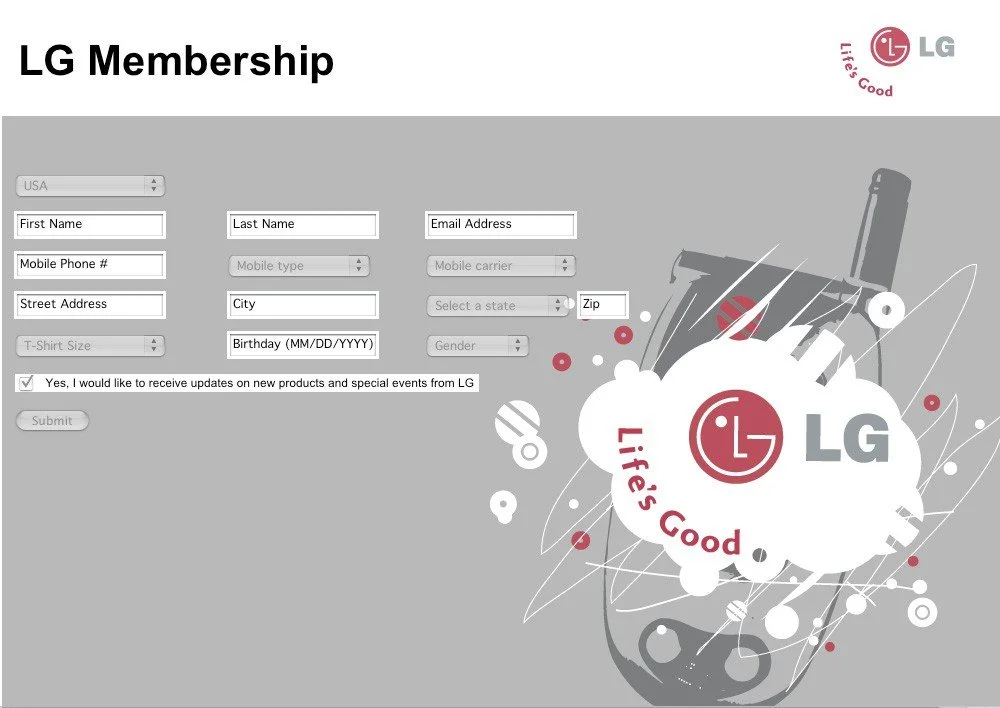
Supporting this was the LG Concierge Service, a scaled semi-VIP program designed for C-list influencers and deeply engaged fans. Built through events, partnerships, and database capture, this program provided access to LG communications, invitations, premiums, and exclusive opportunities.
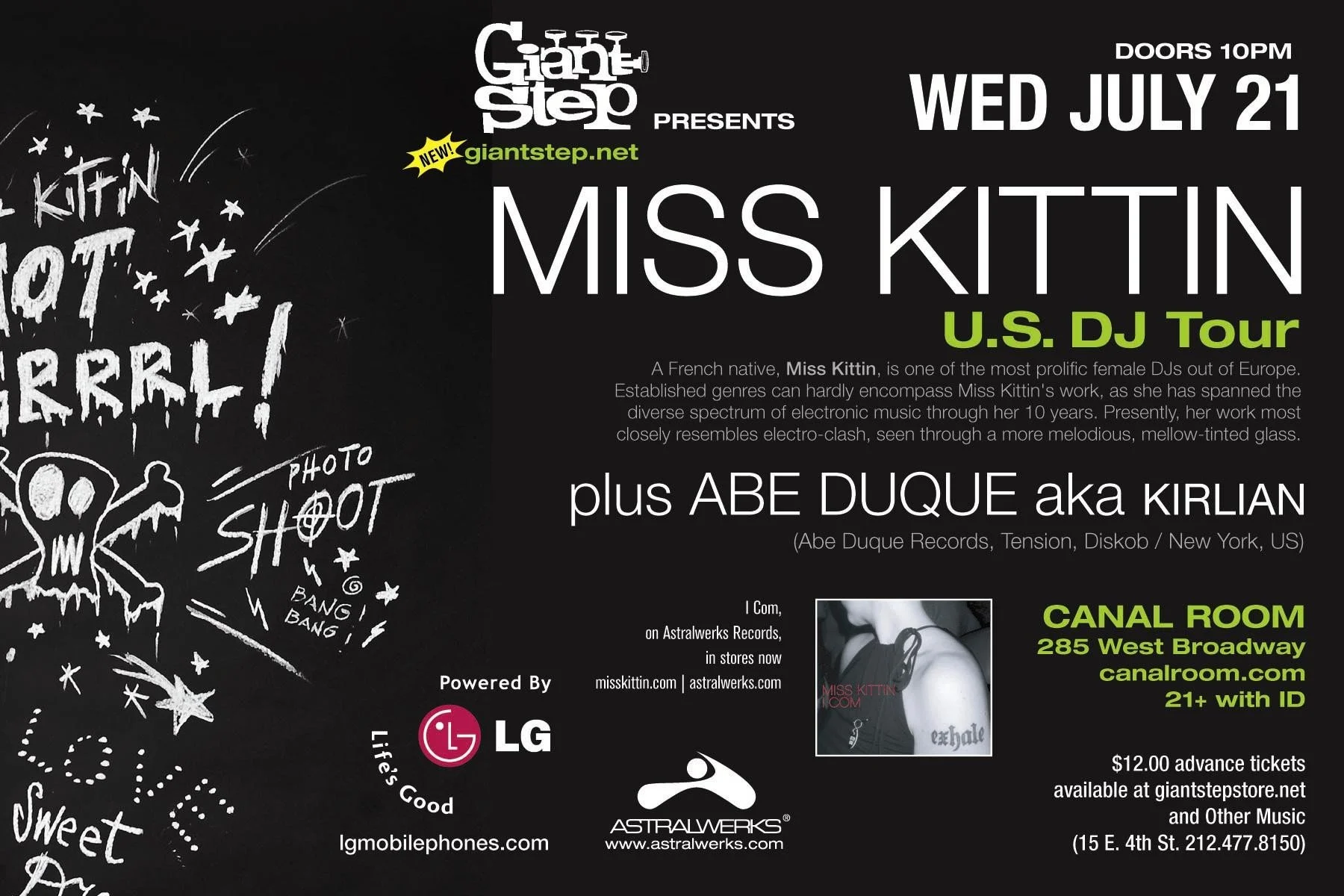
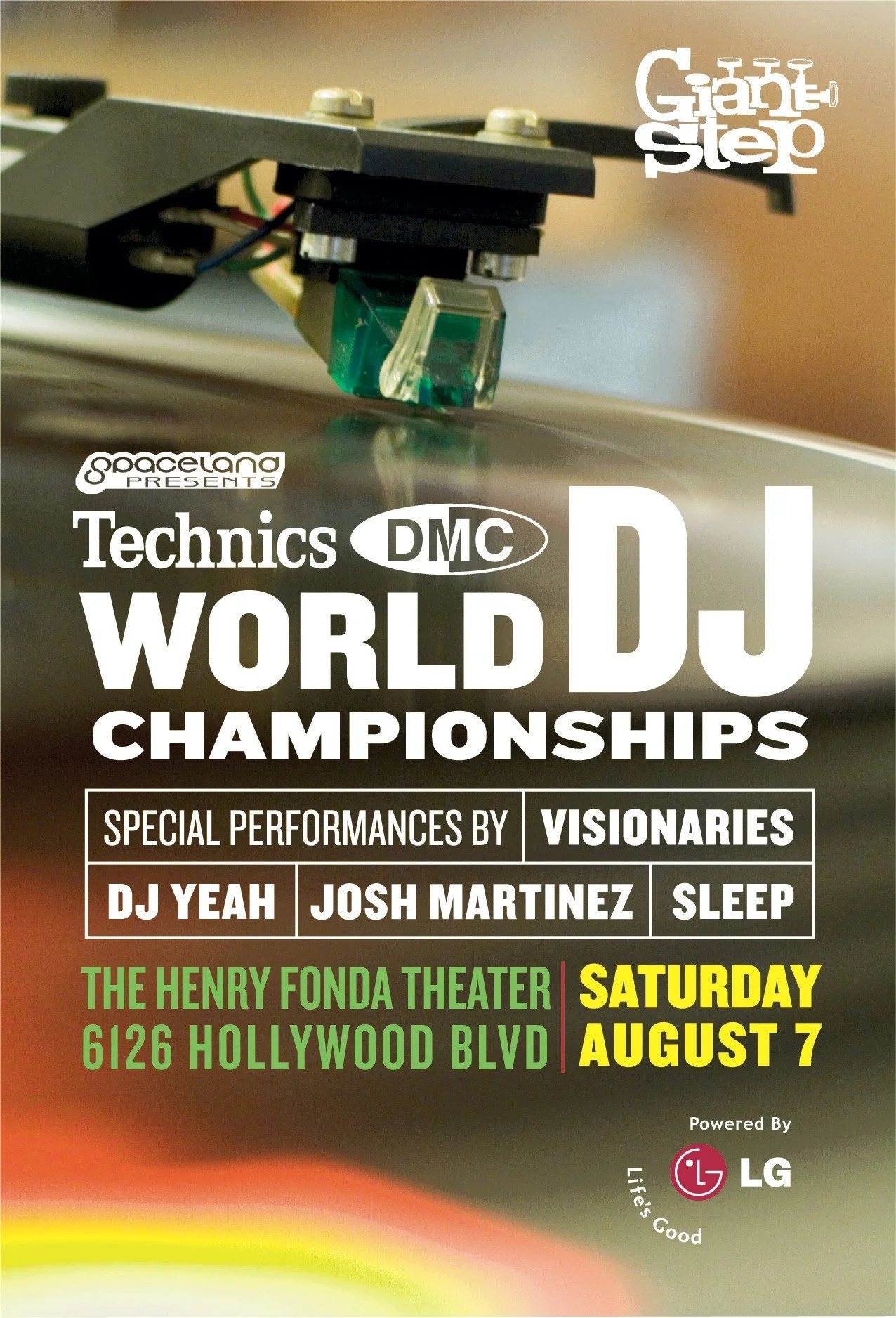
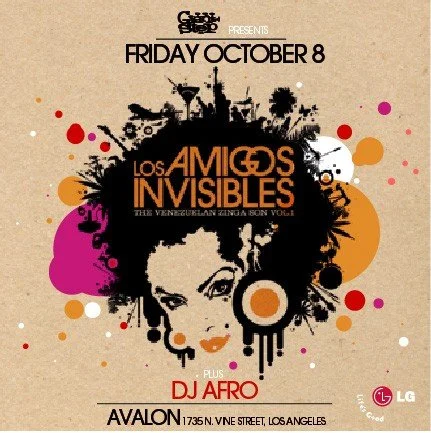
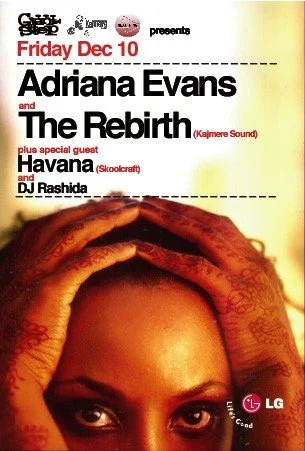
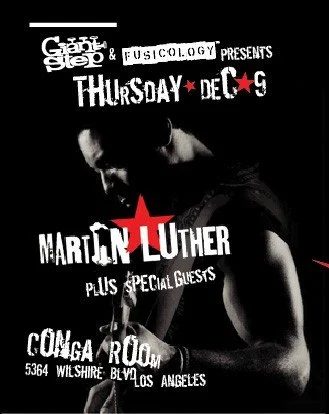
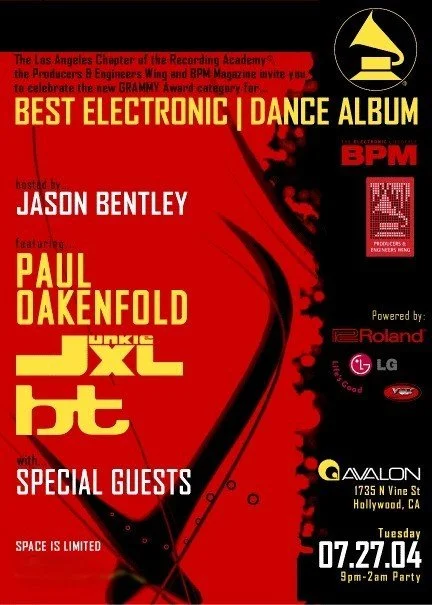
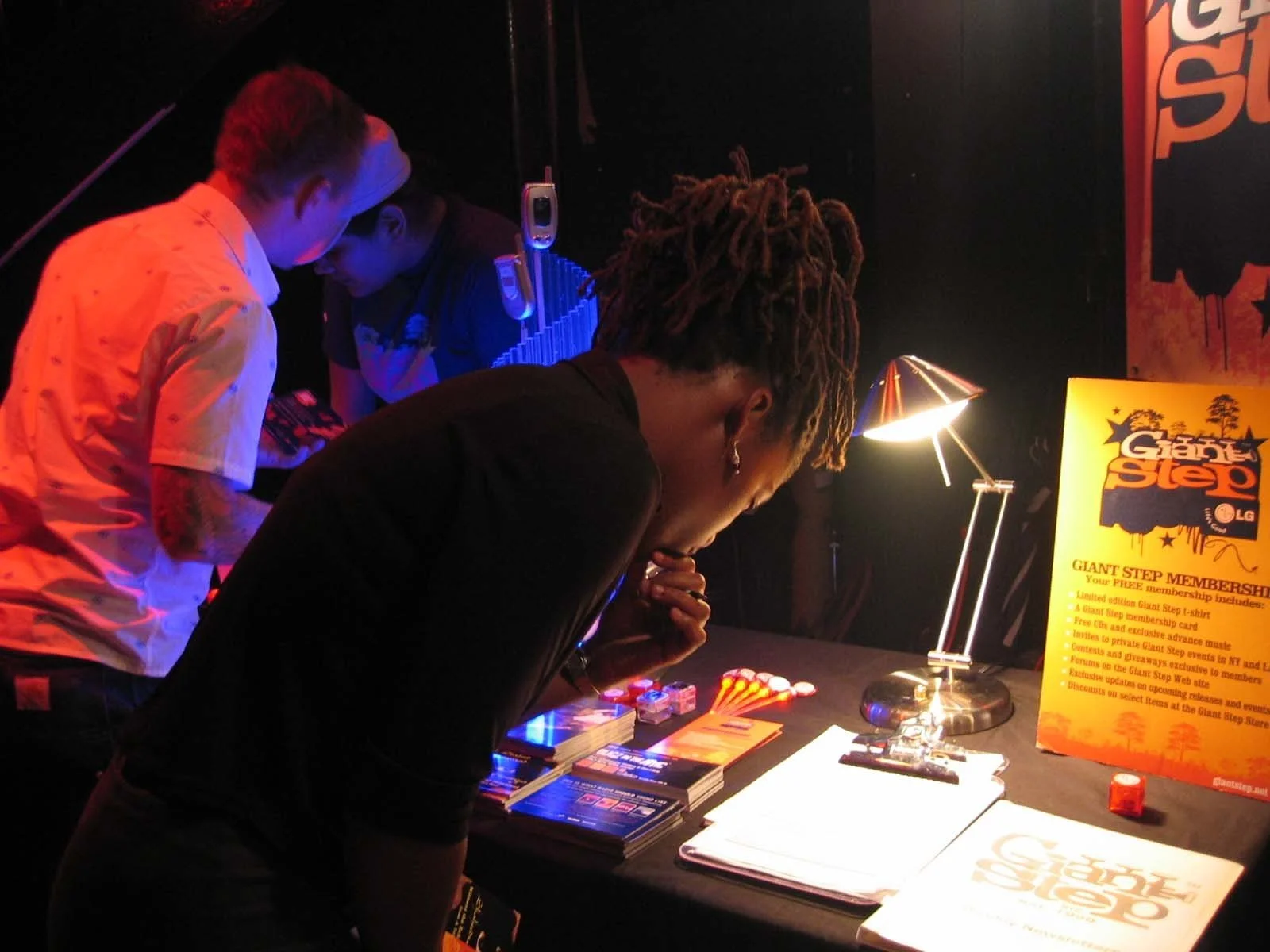
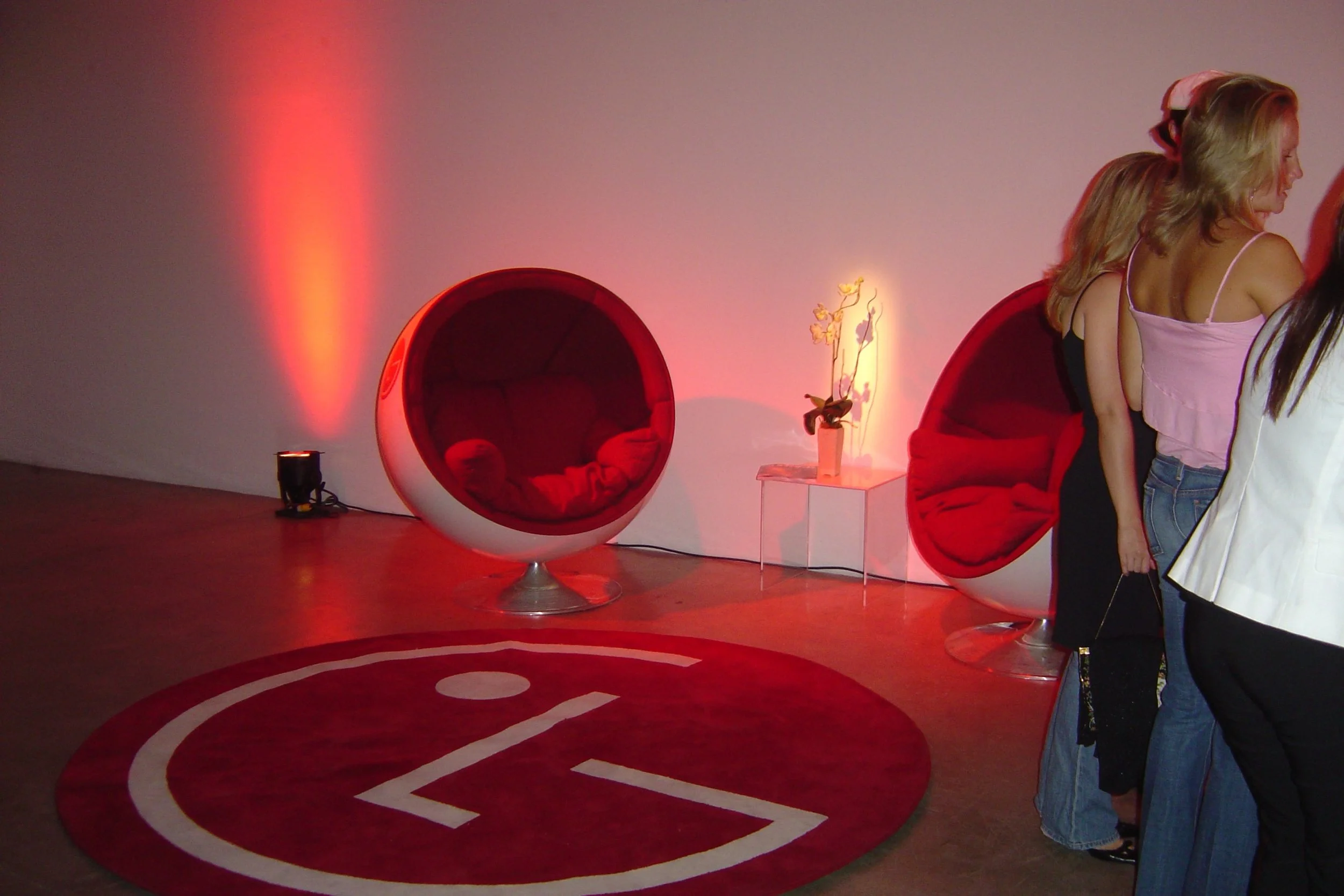
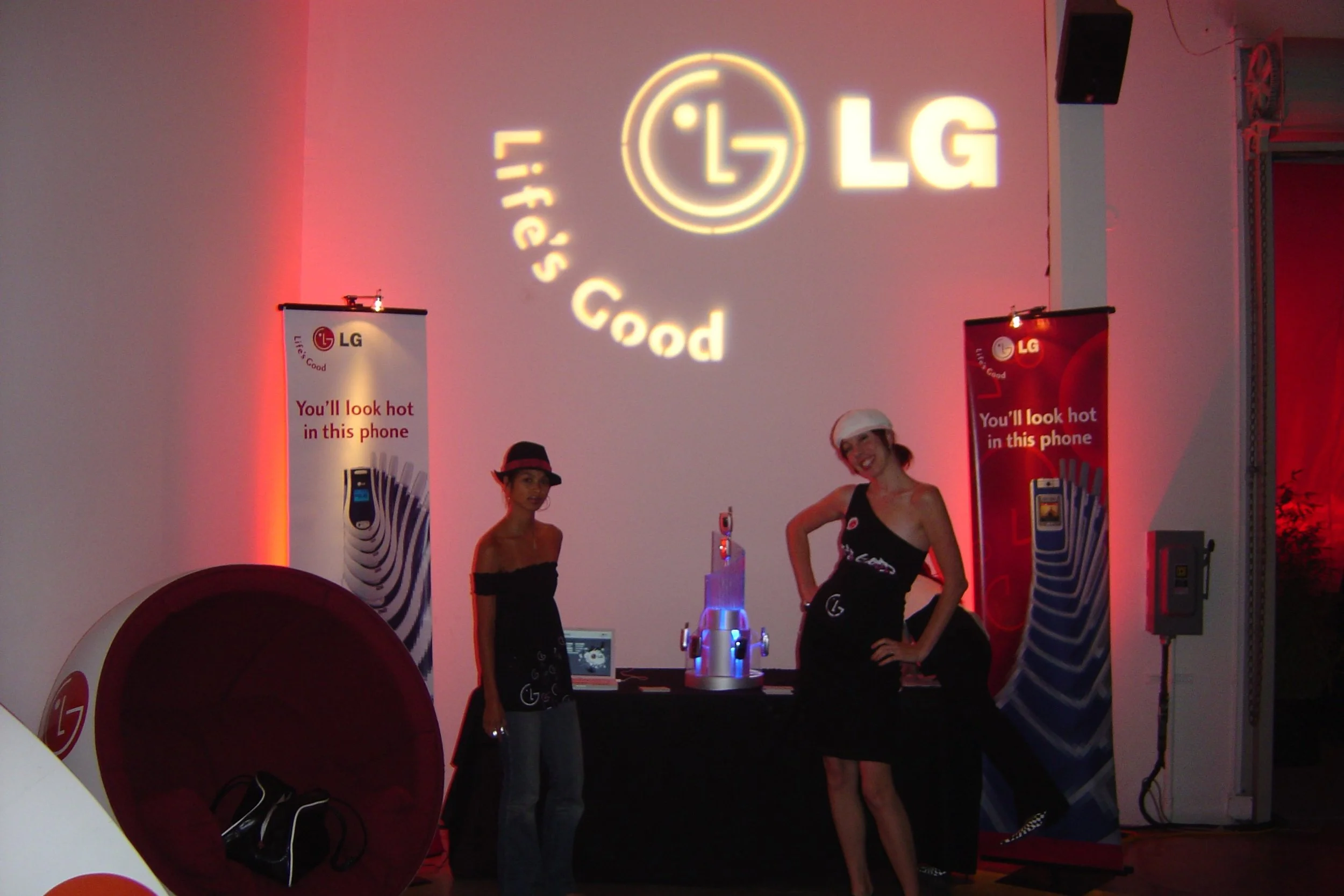
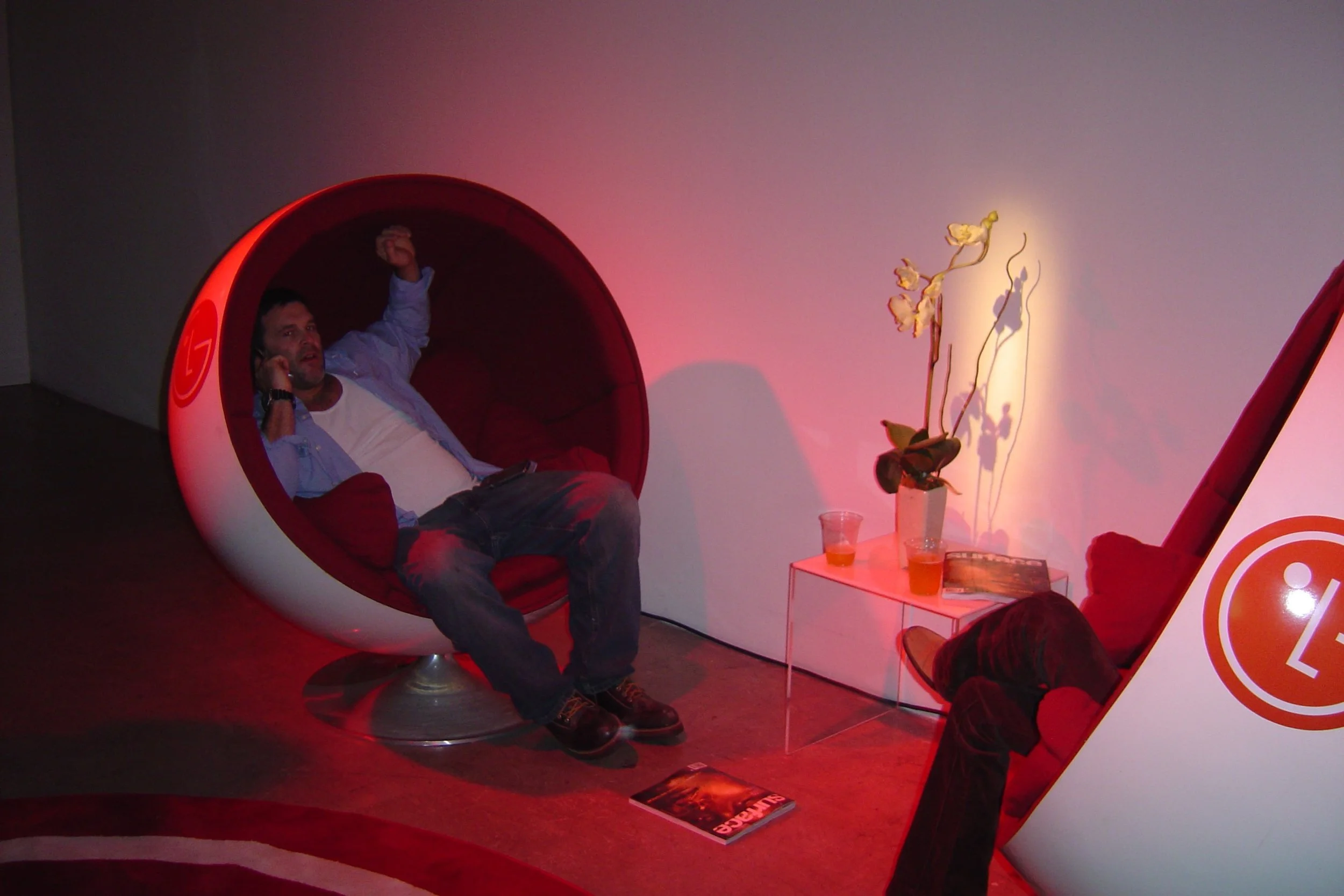
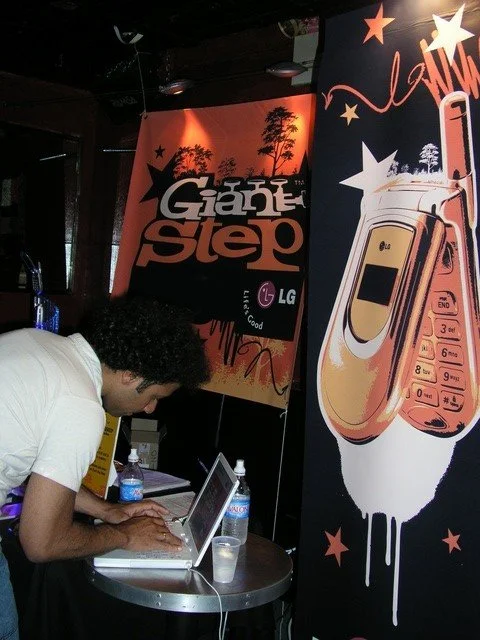
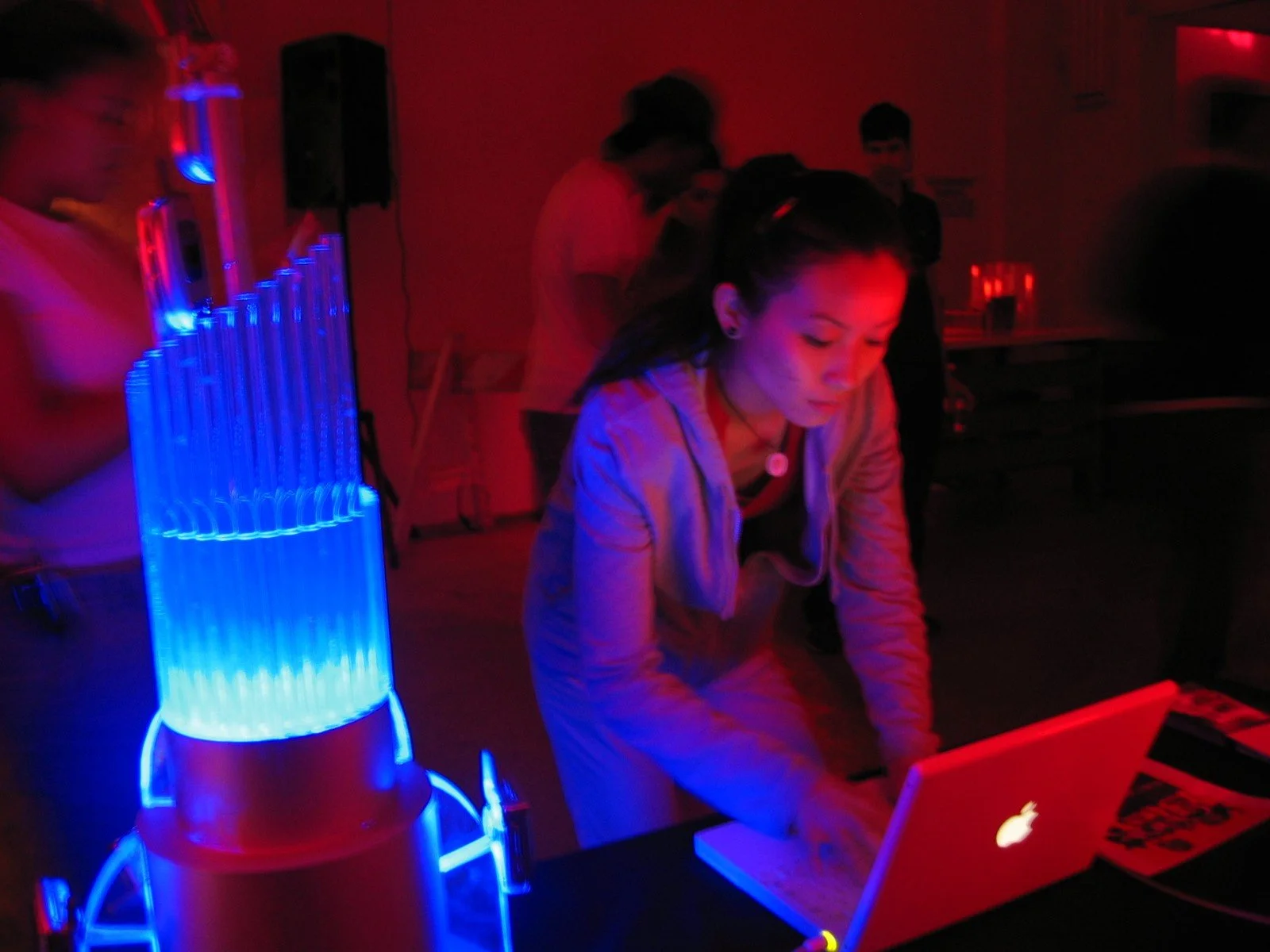
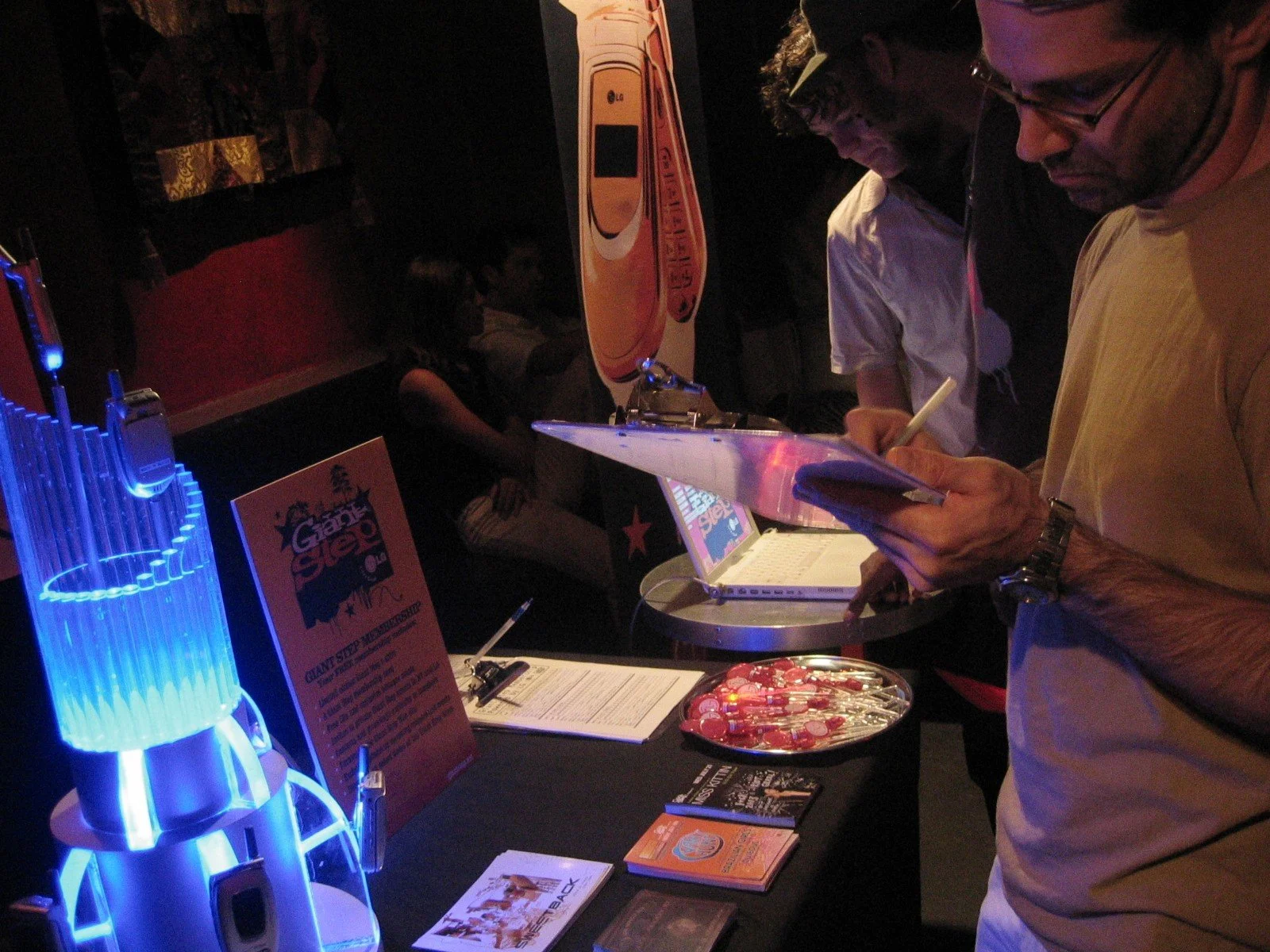
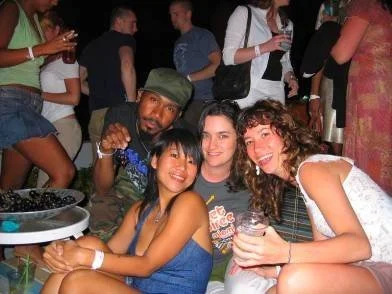
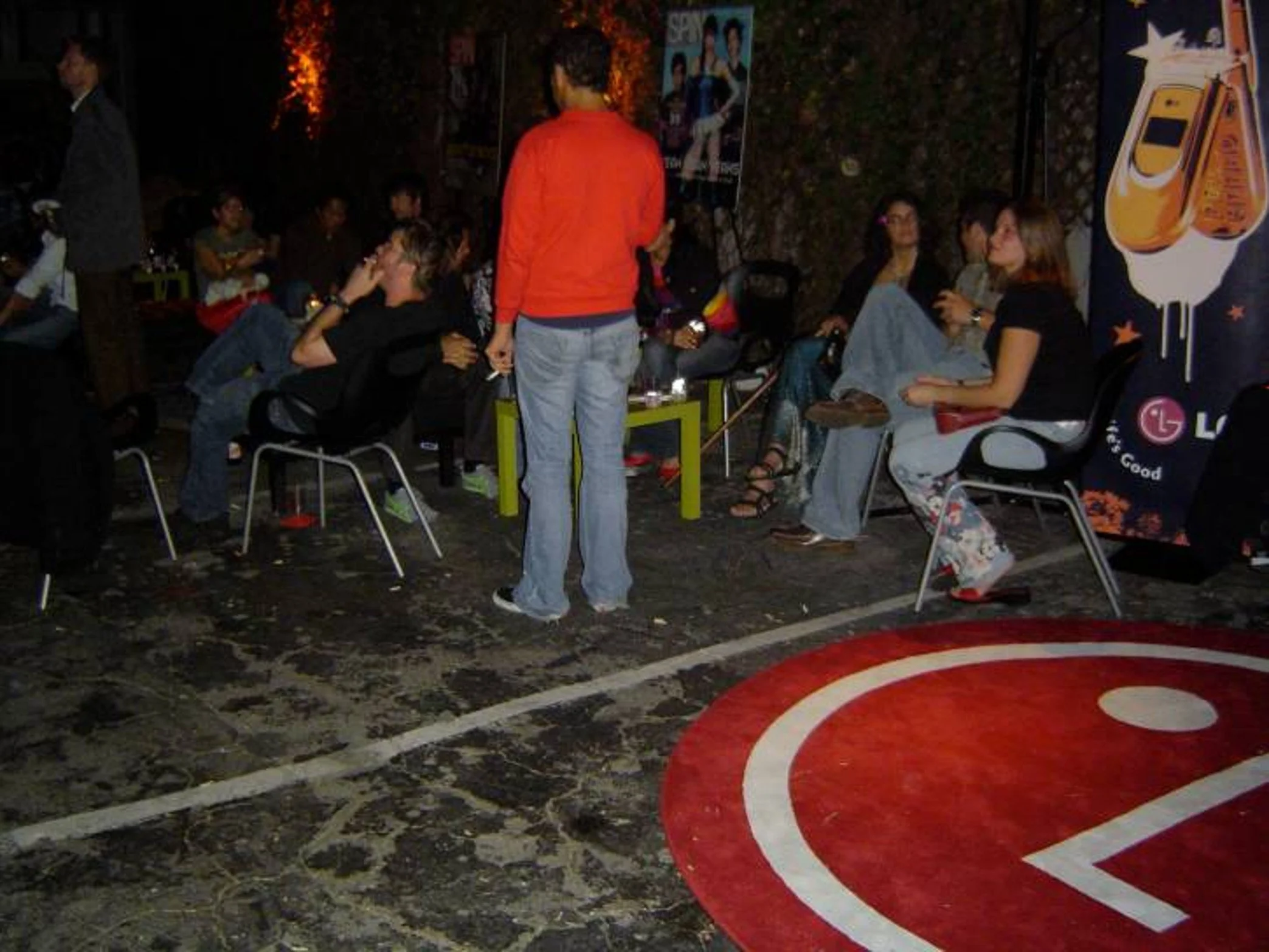
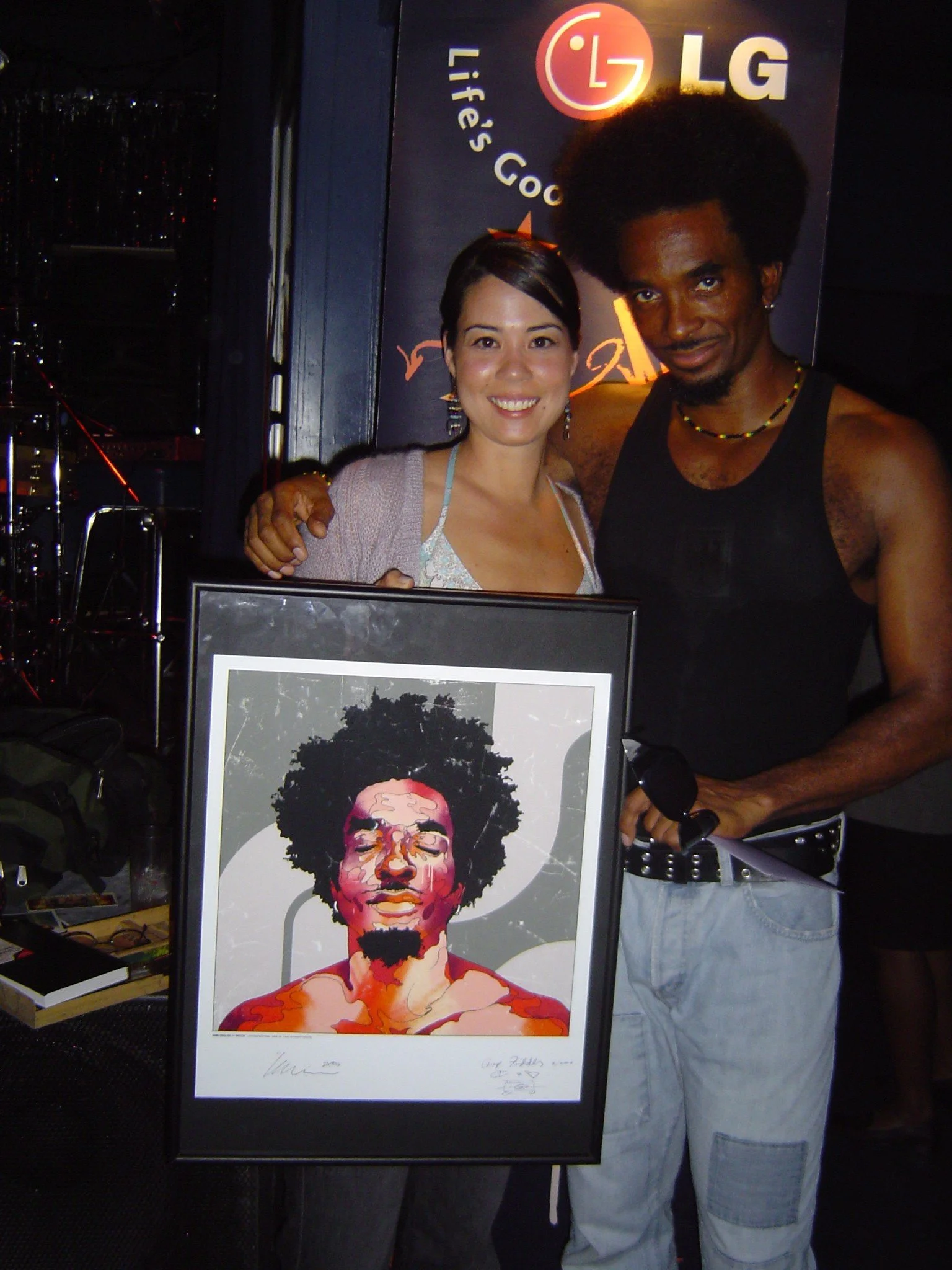
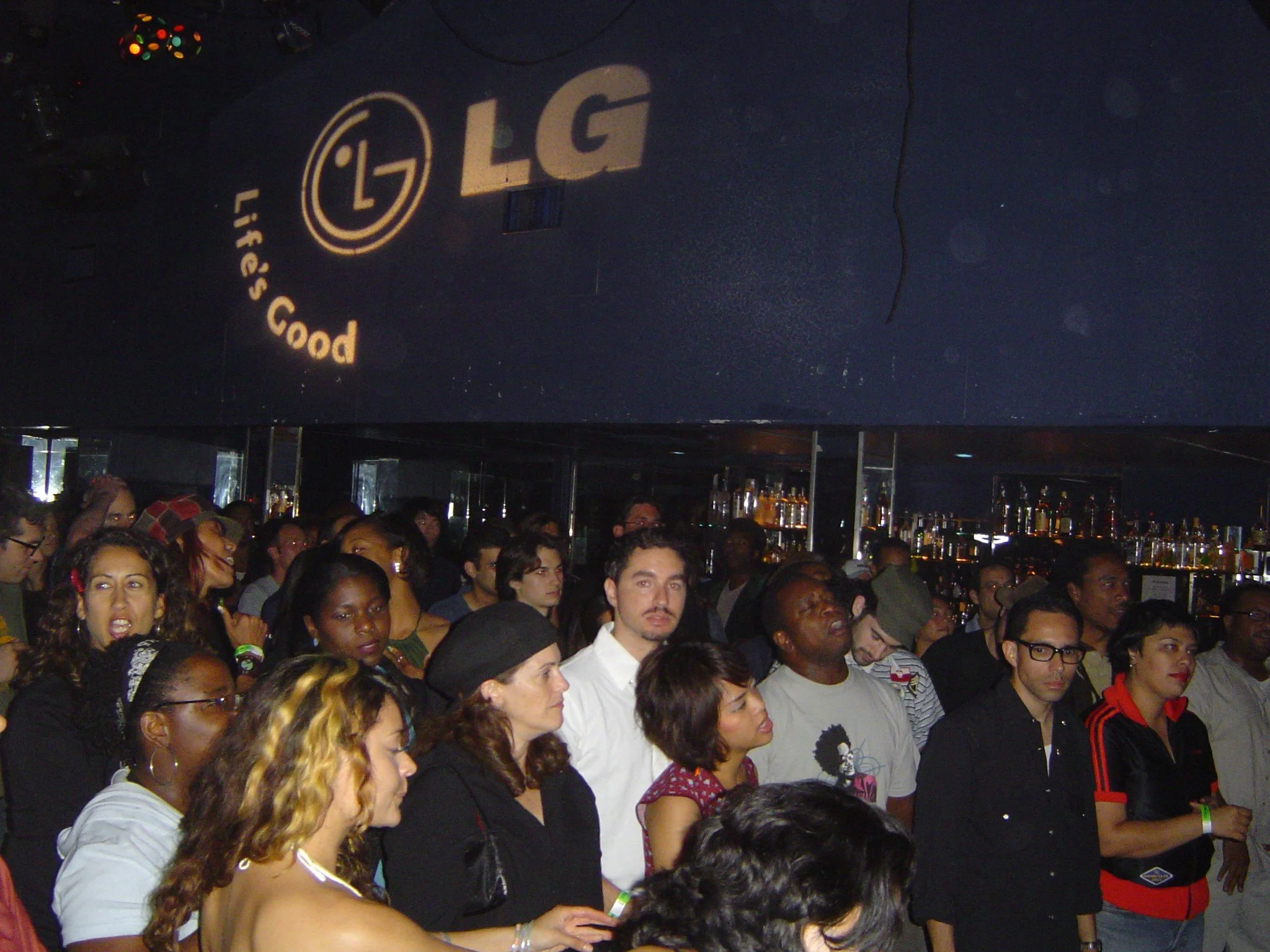
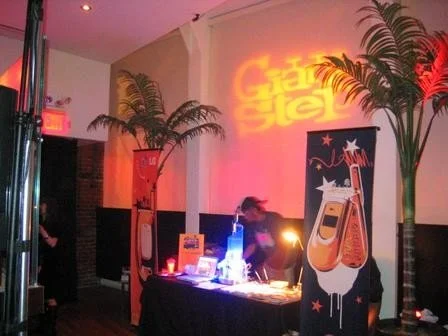
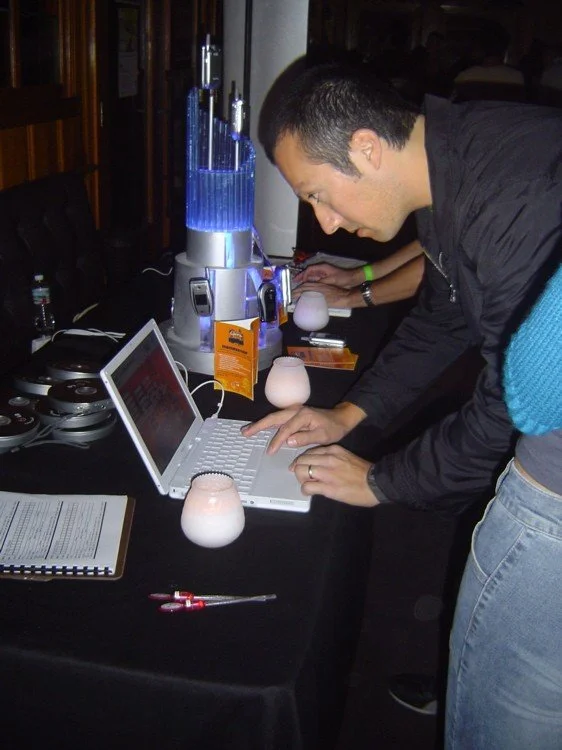
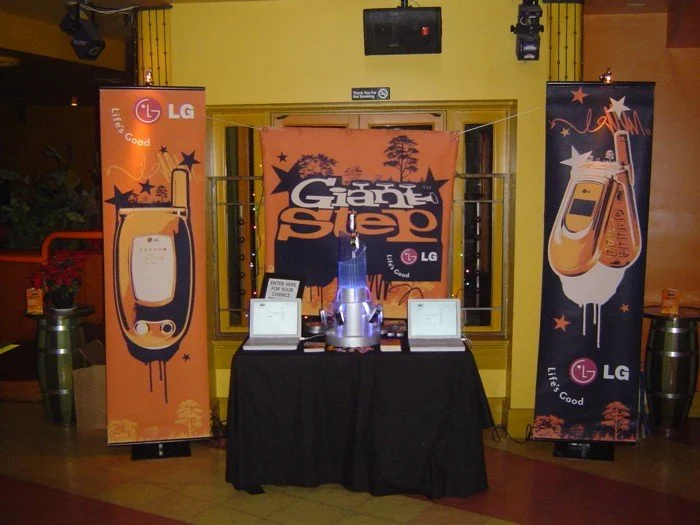
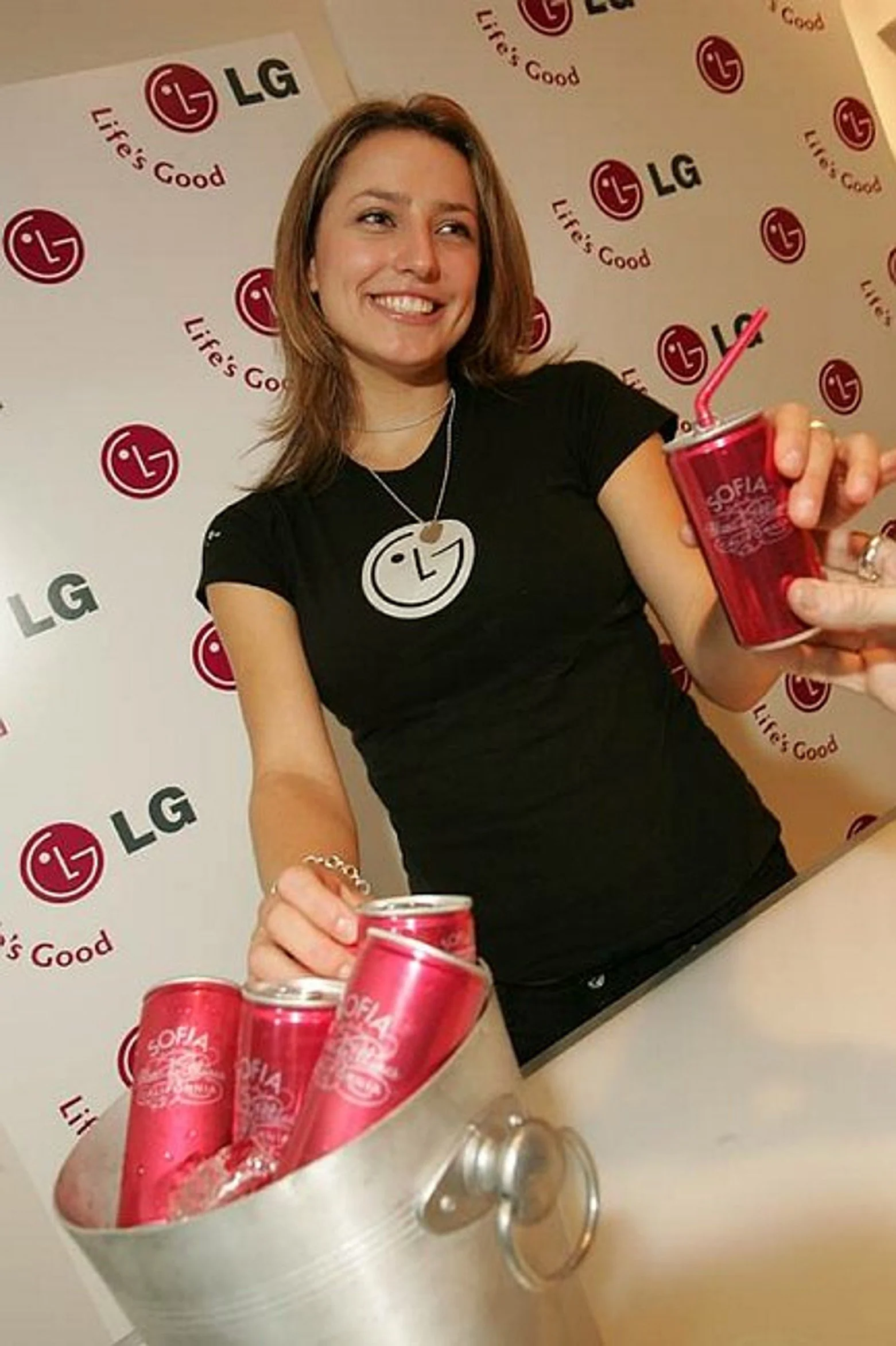
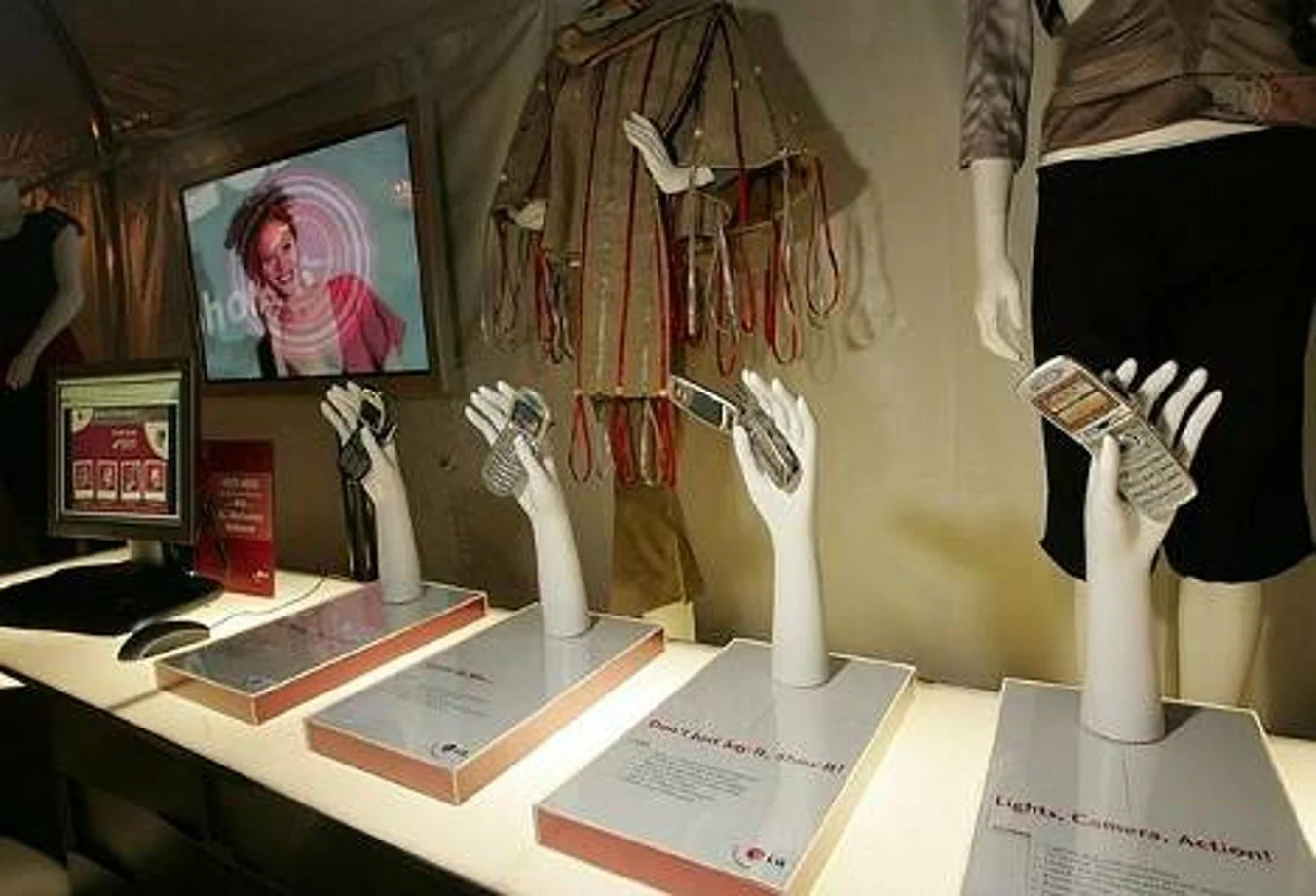
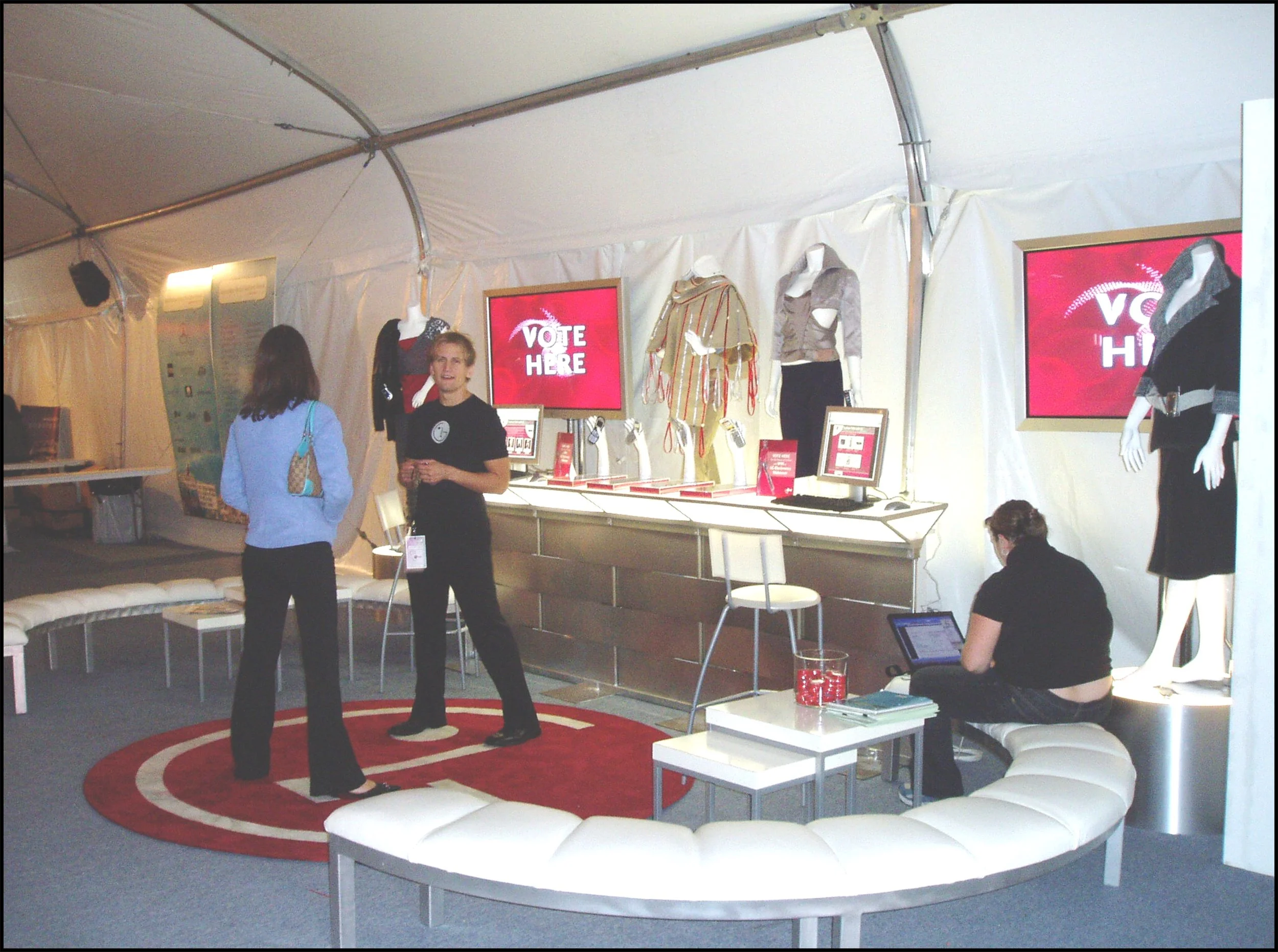
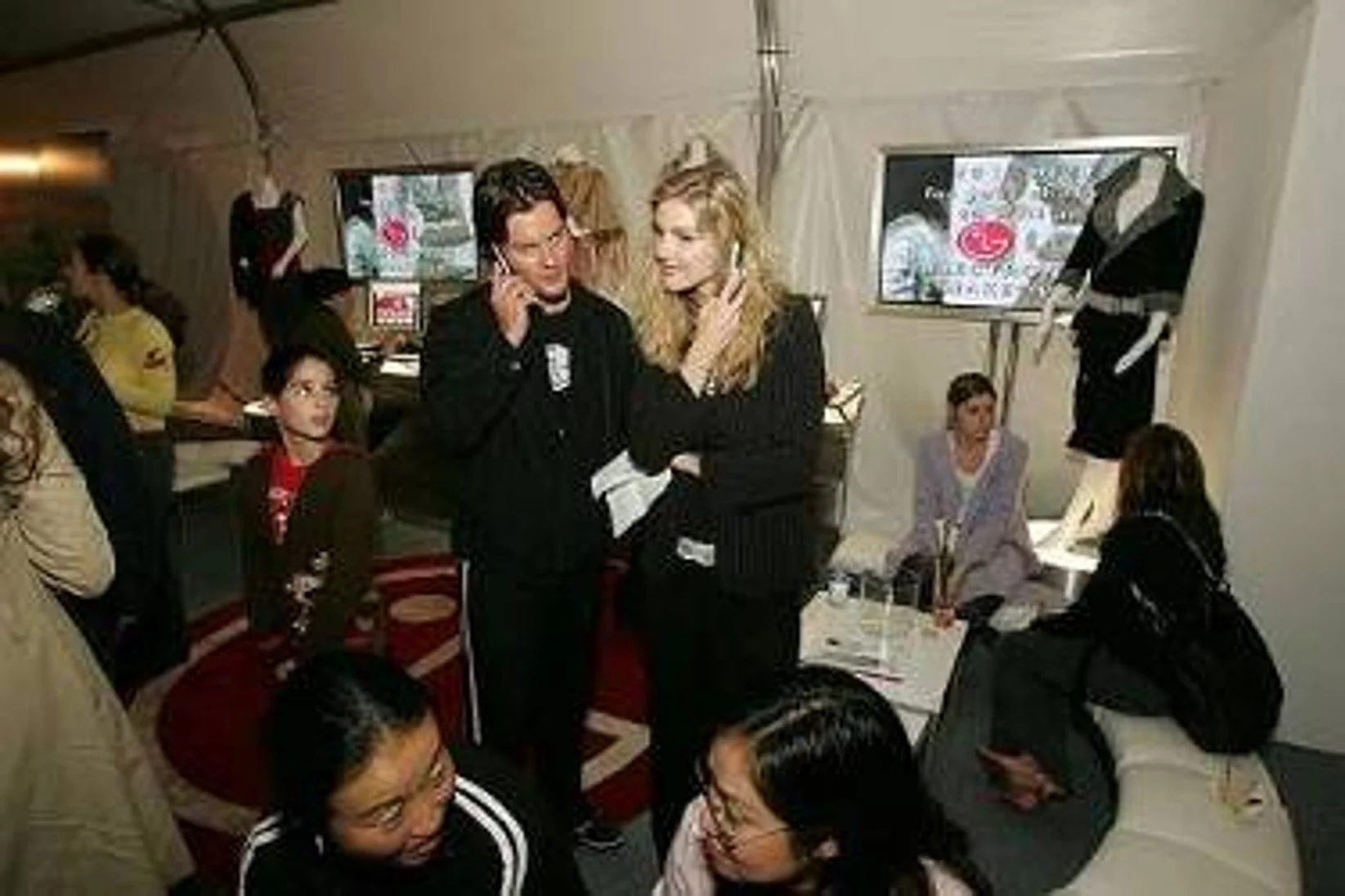
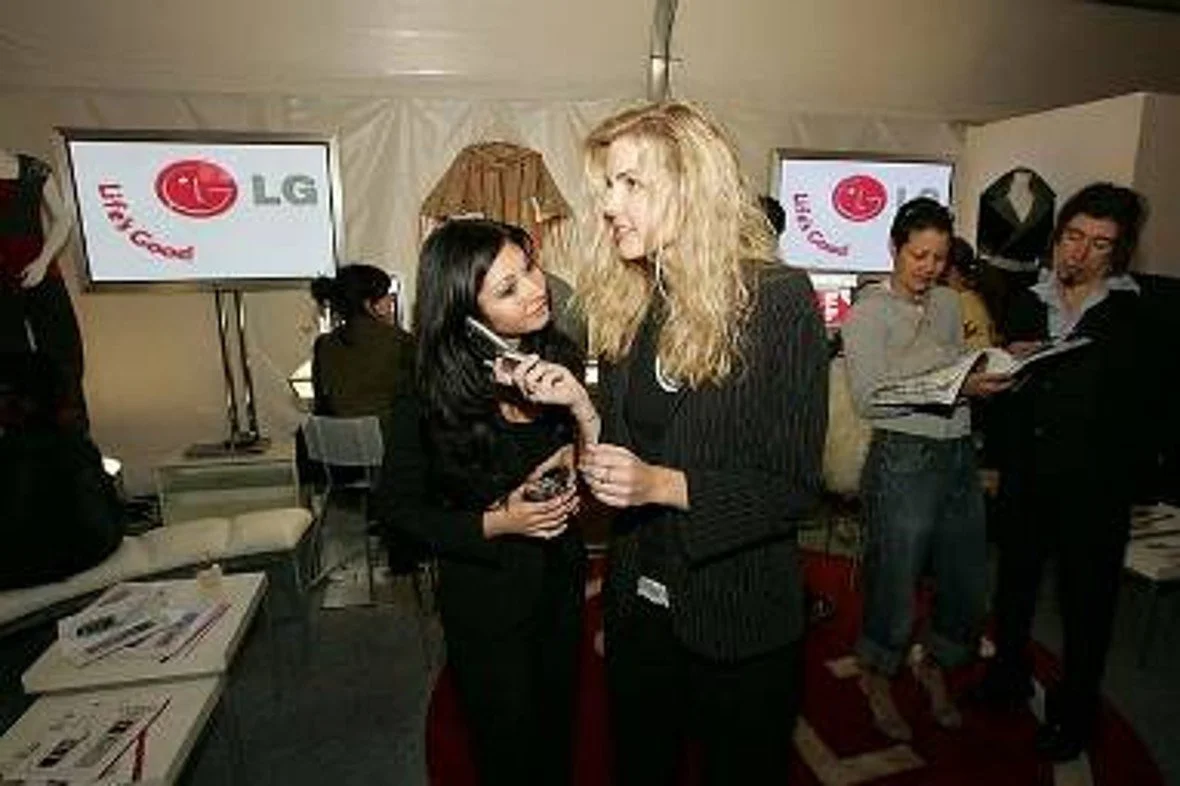
These programs were amplified through high-profile lifestyle events in key markets, where LG devices were placed directly into the hands of influencers in environments that conferred credibility. Strategic partnerships with trusted lifestyle entities extended LG’s reach further, while integrated media relationships and organic product placements ensured consistent visibility across cultural touchpoints.
The result was a brand presence that felt earned, not imposed.
The Results
The impact exceeded expectations across every meaningful measure.
LG mobile phones were placed into the hands of 85 A-list celebrities and 182 B-list celebrities, coming close to ambitious initial targets. The program generated 15,000 opt-in database captures from highly engaged fans, exactly as planned.
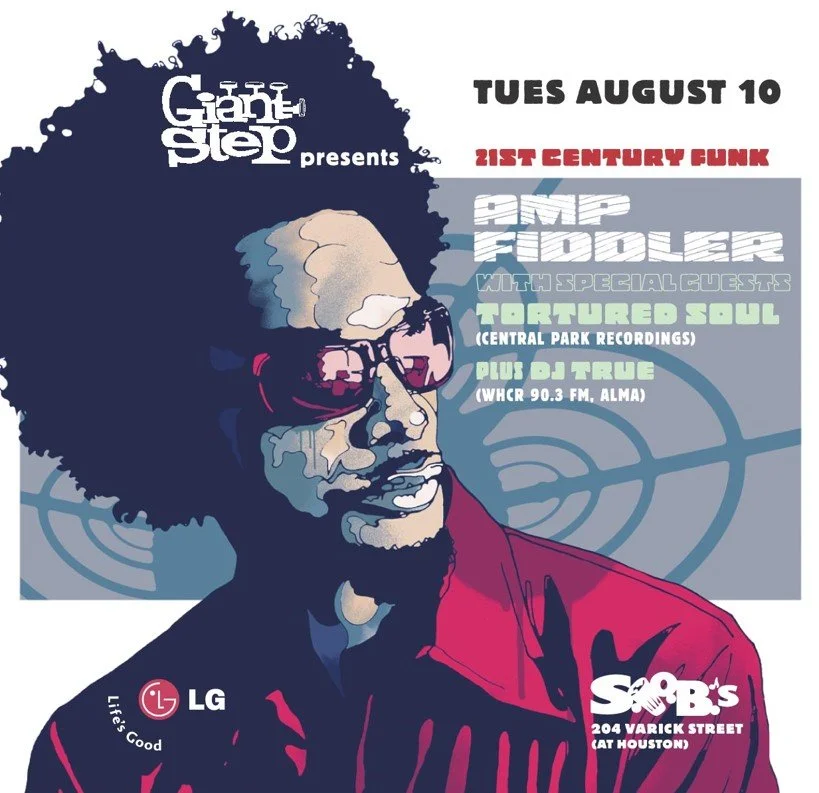
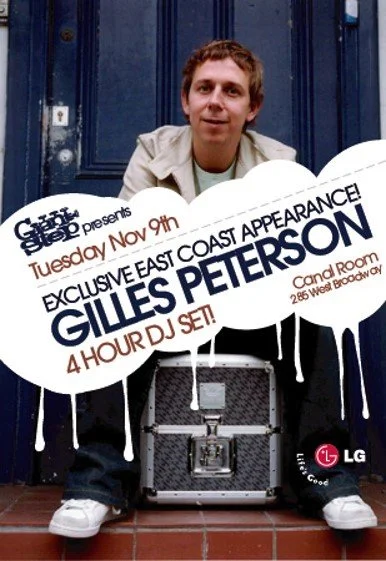
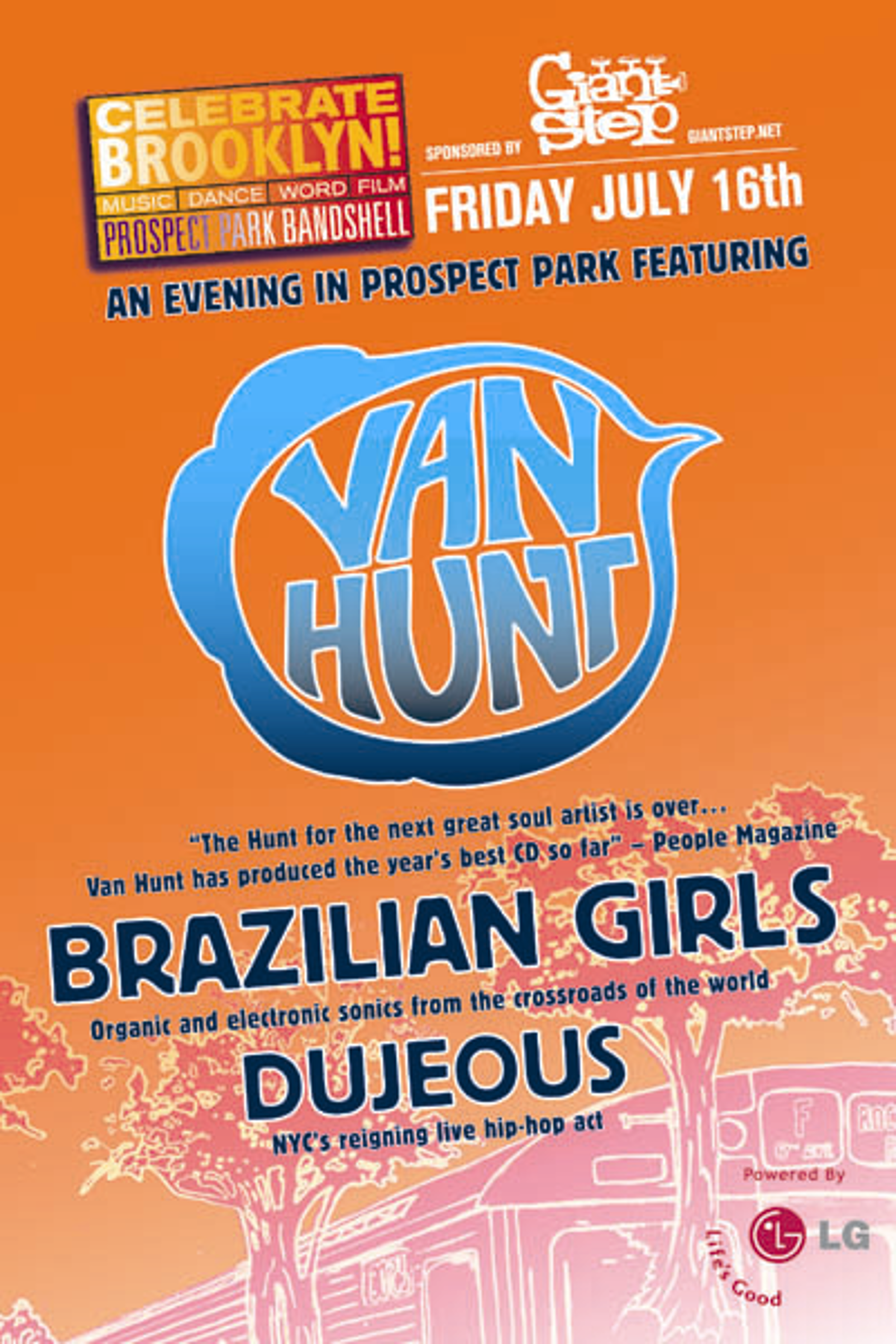
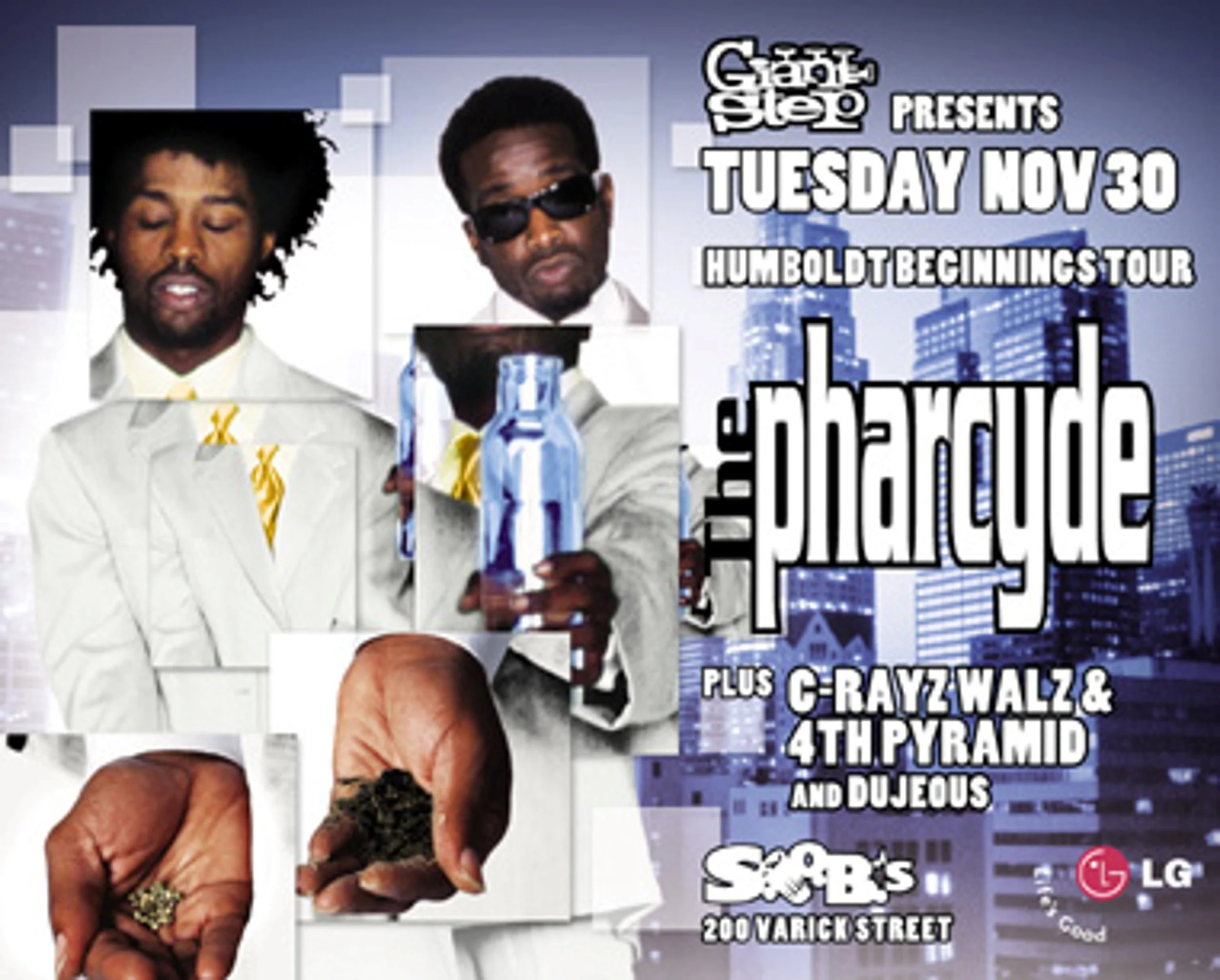
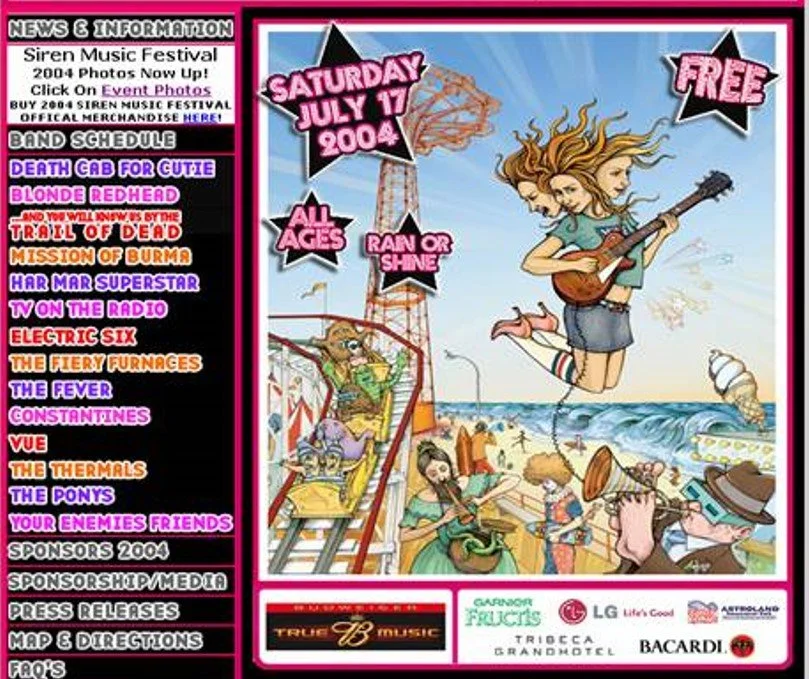
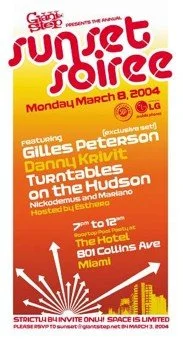
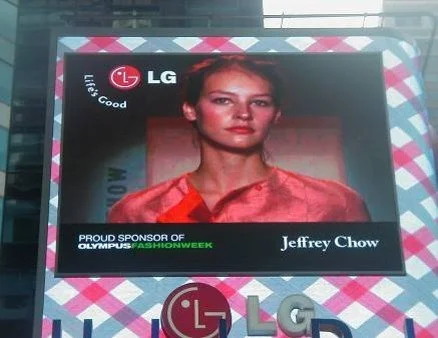
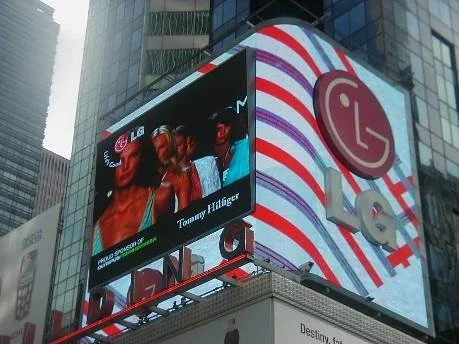
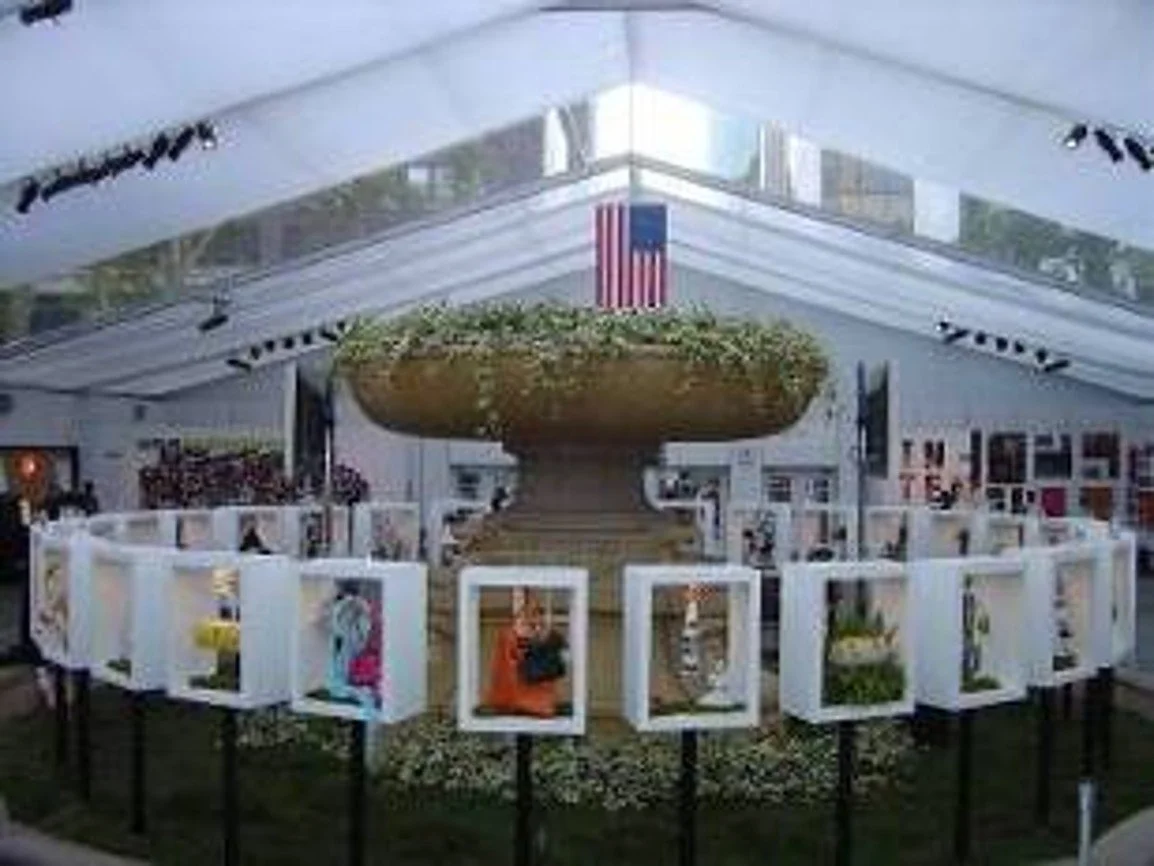
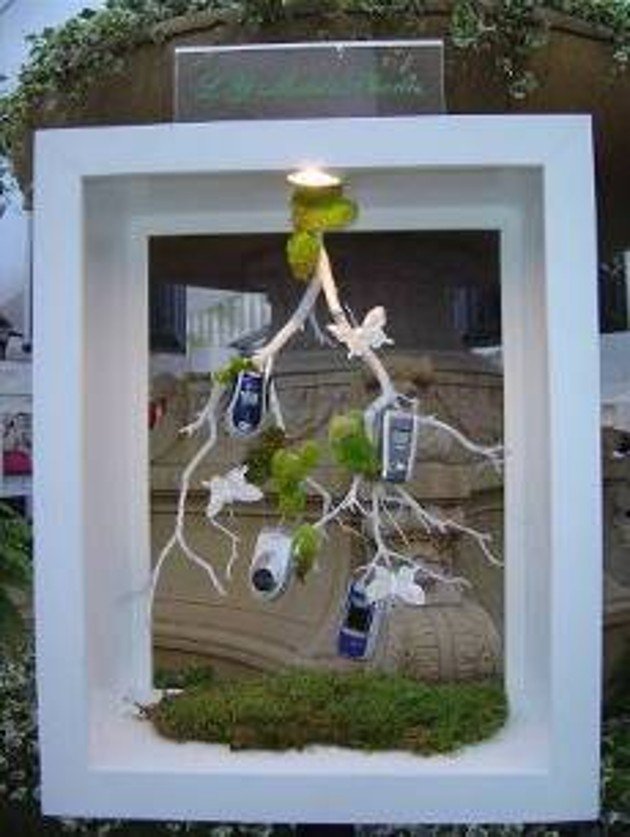
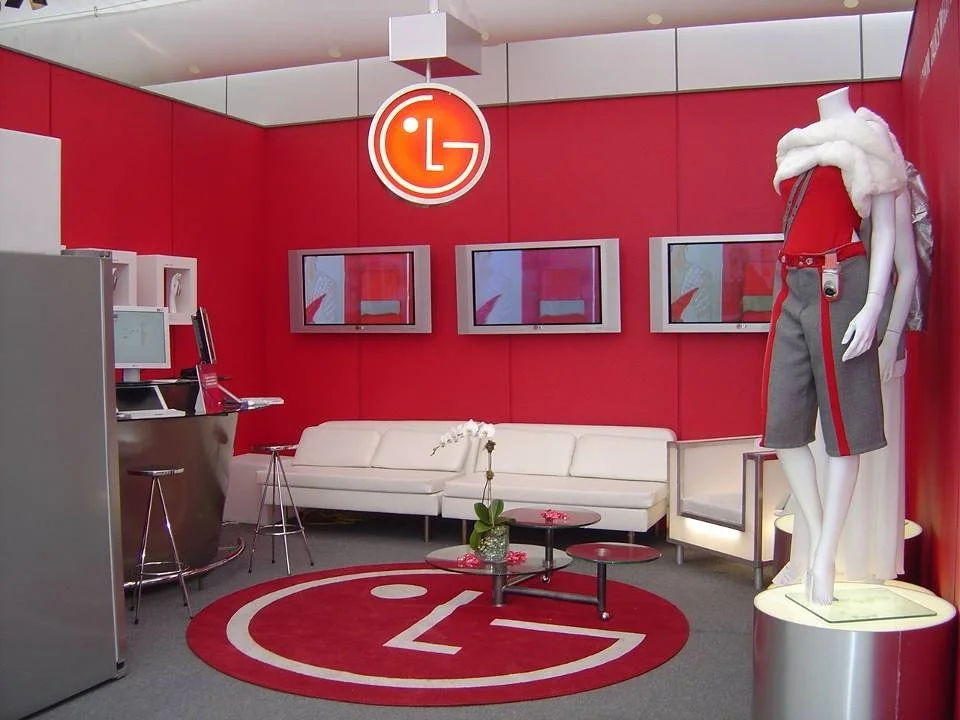
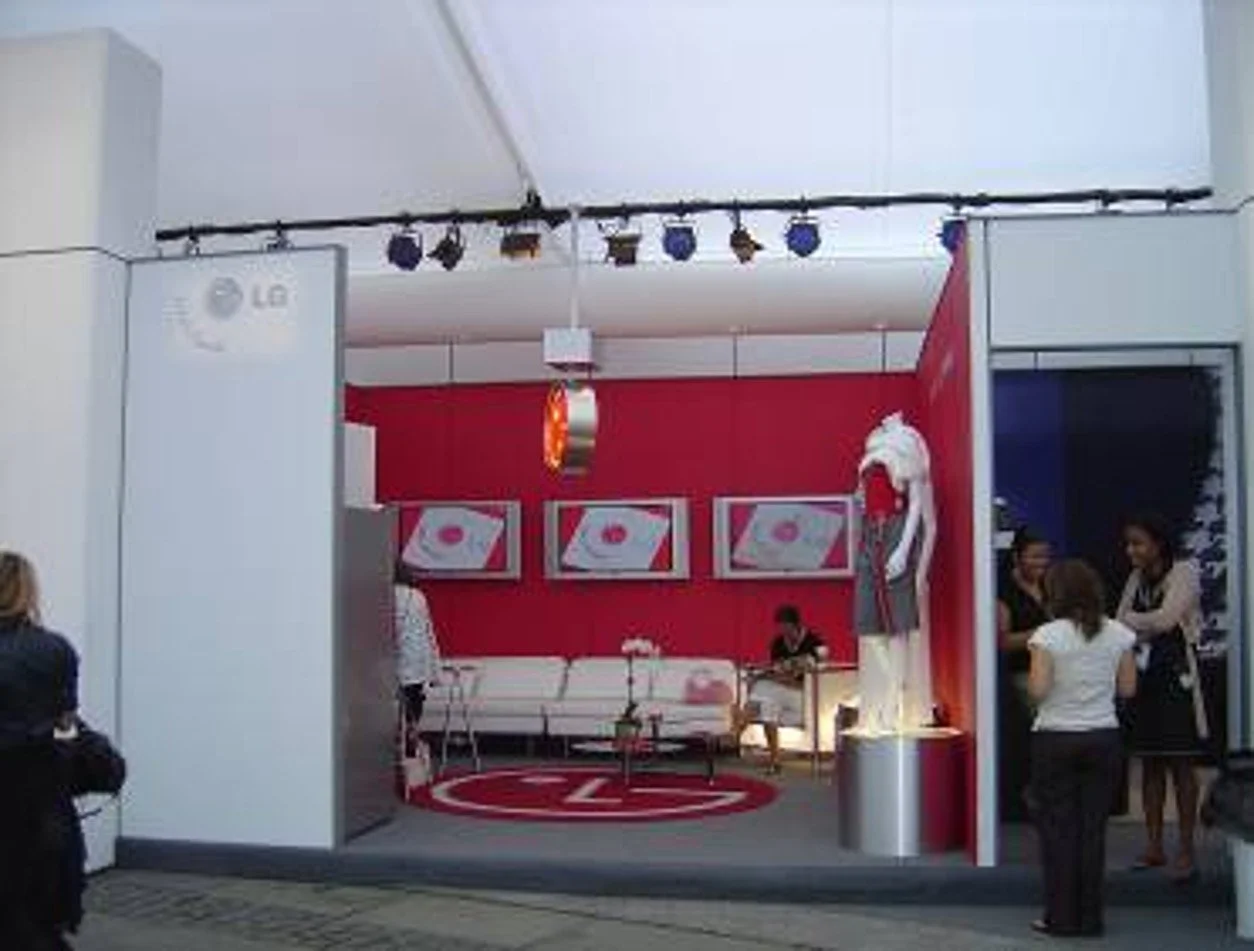
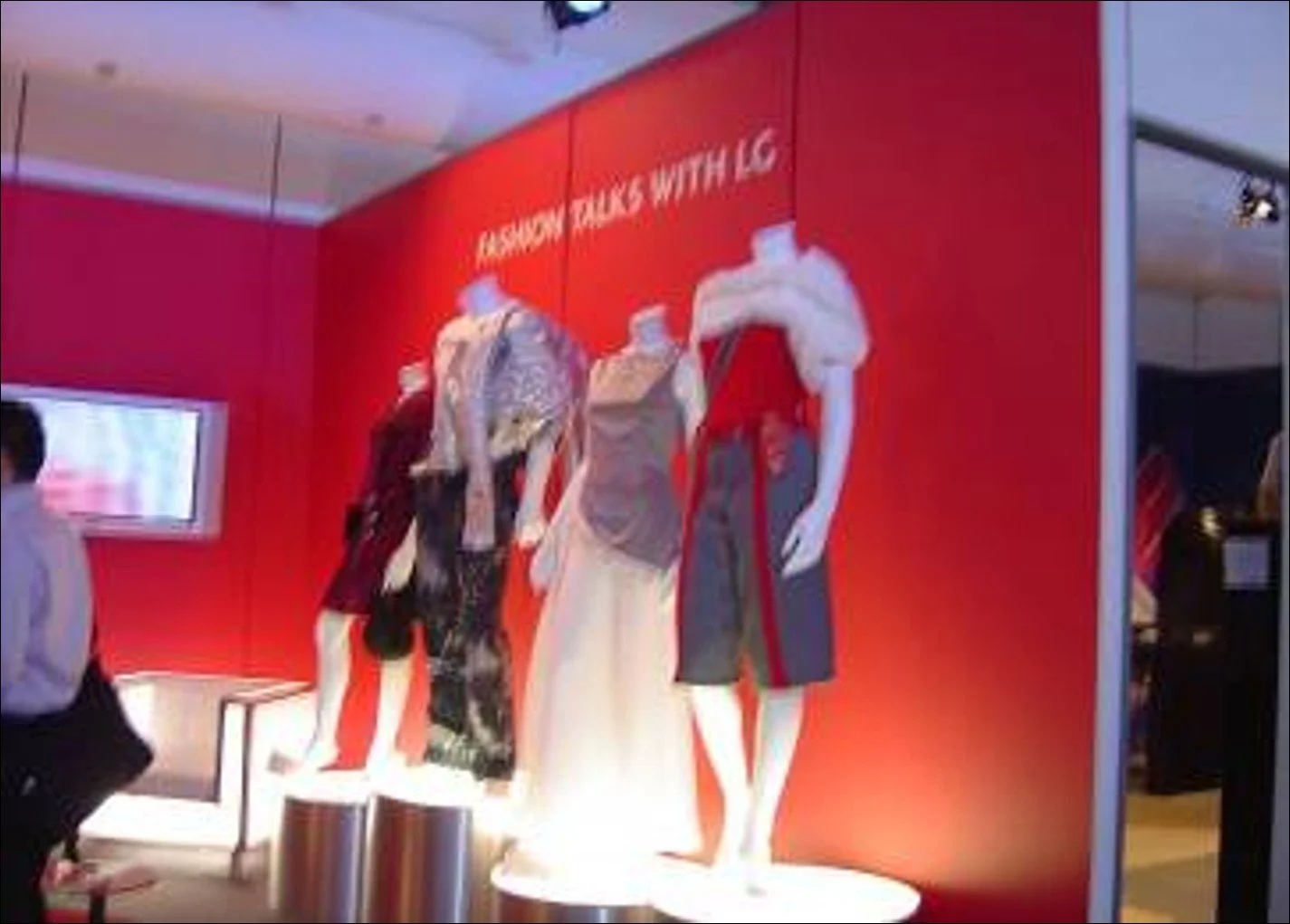
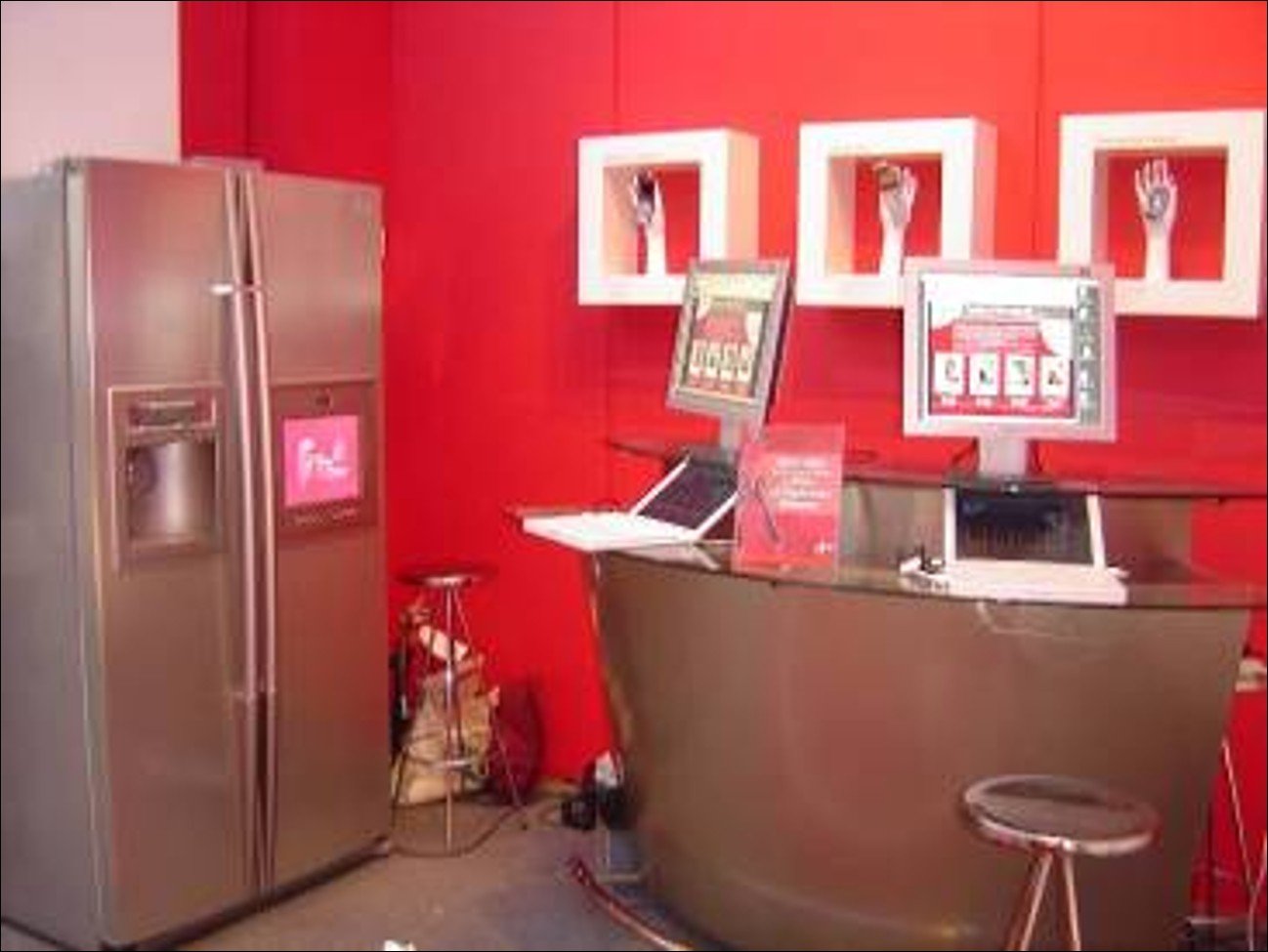
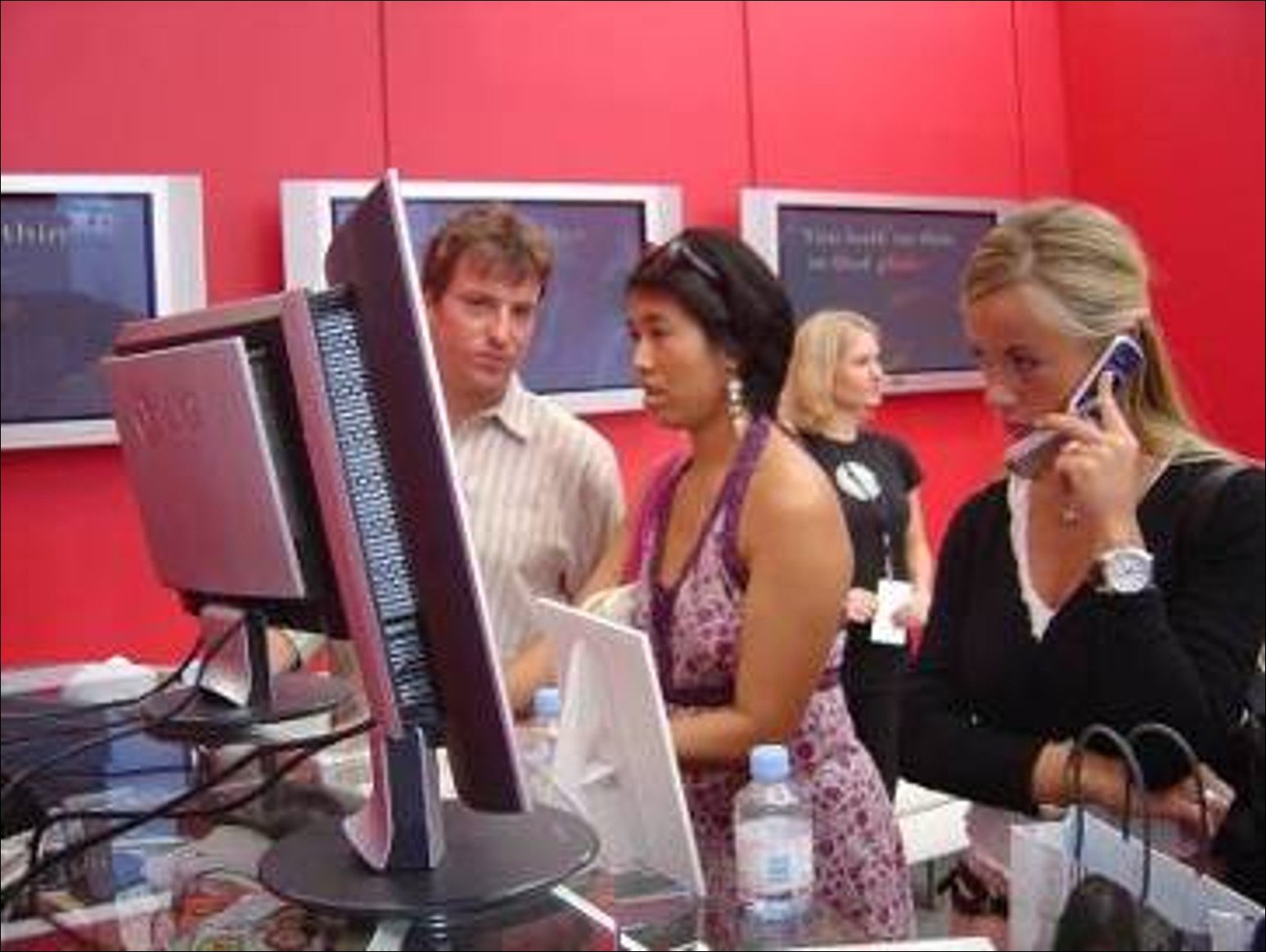
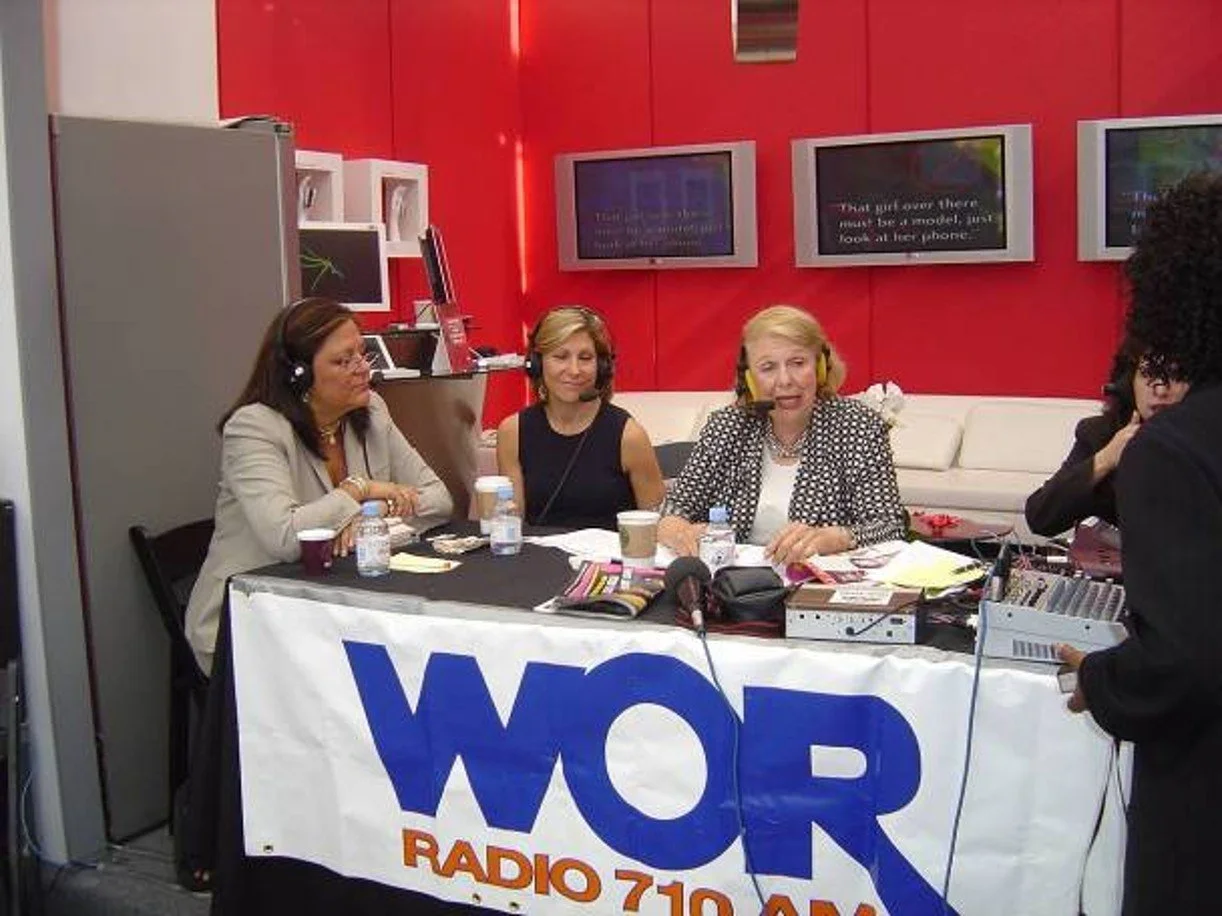
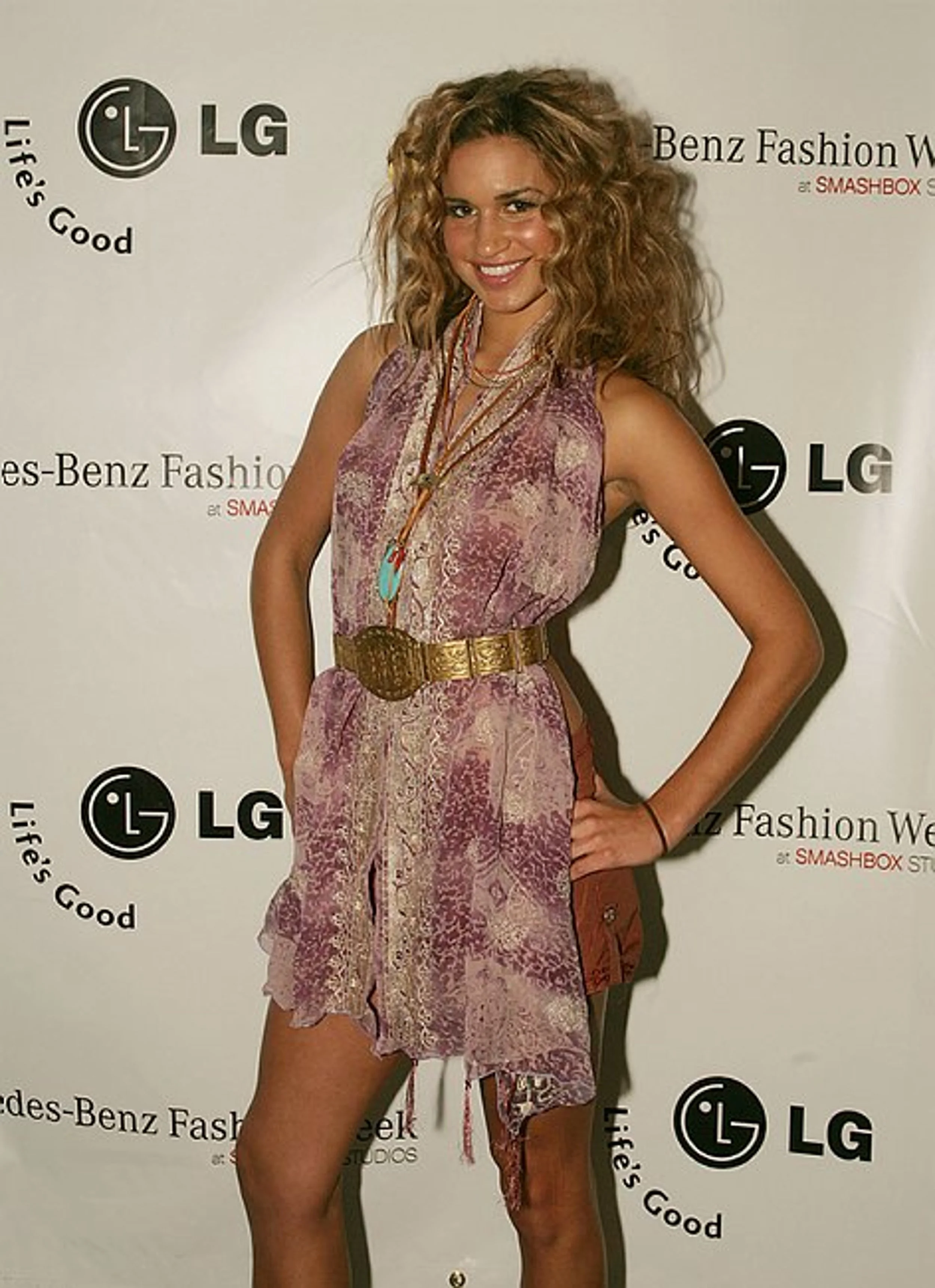
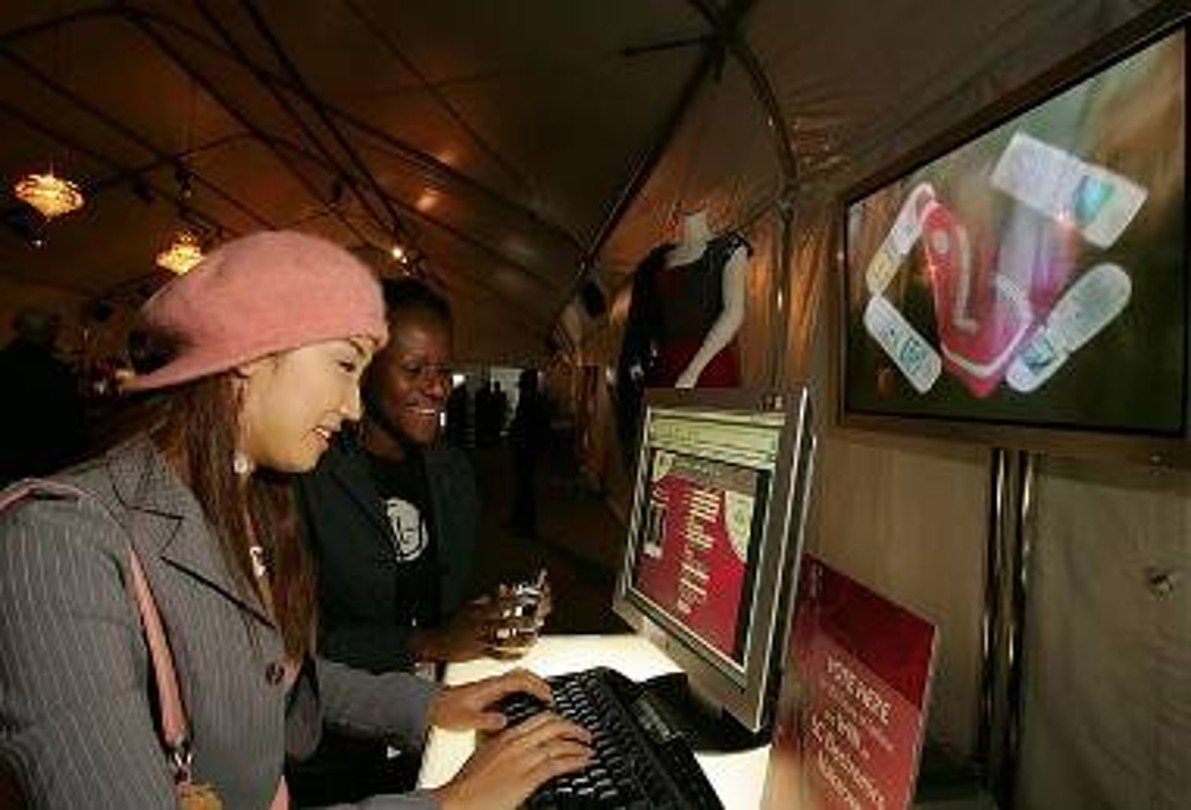
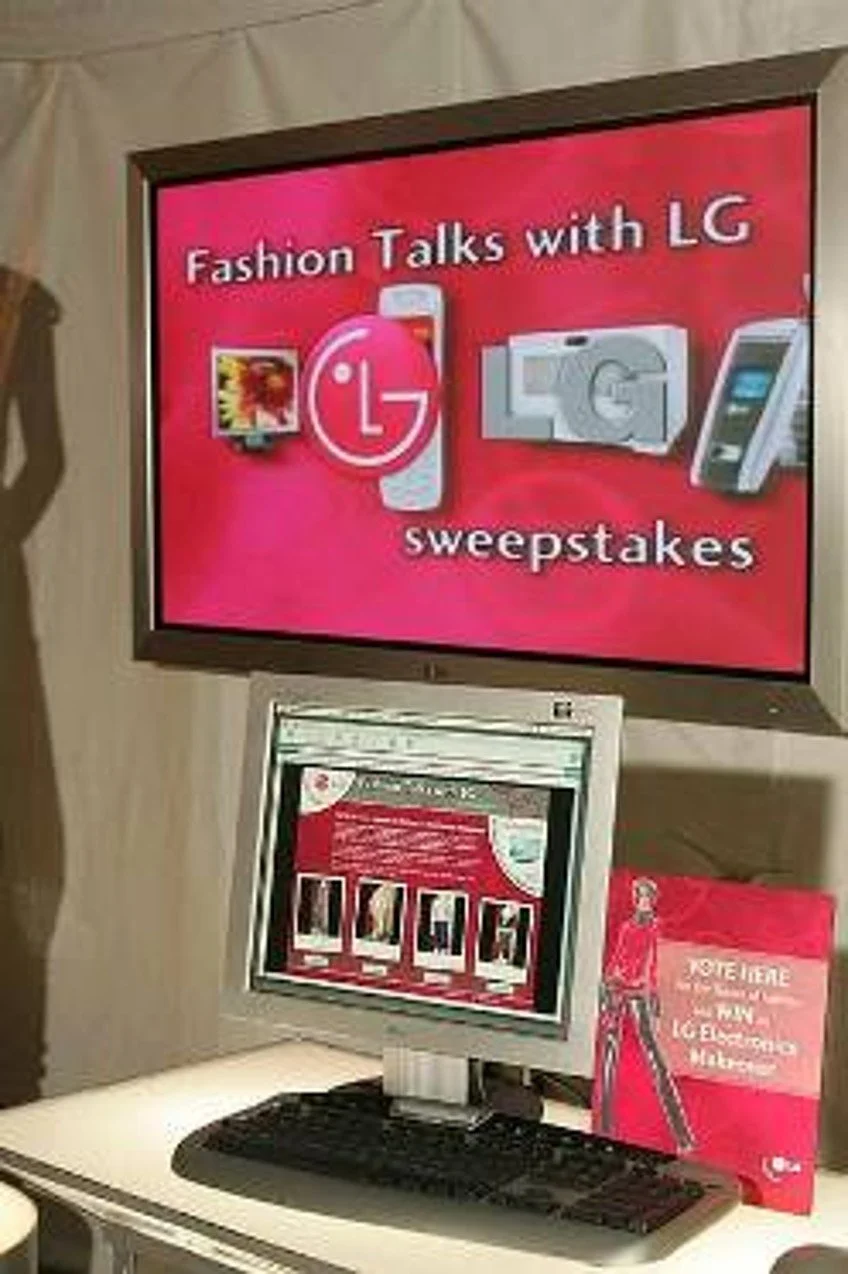
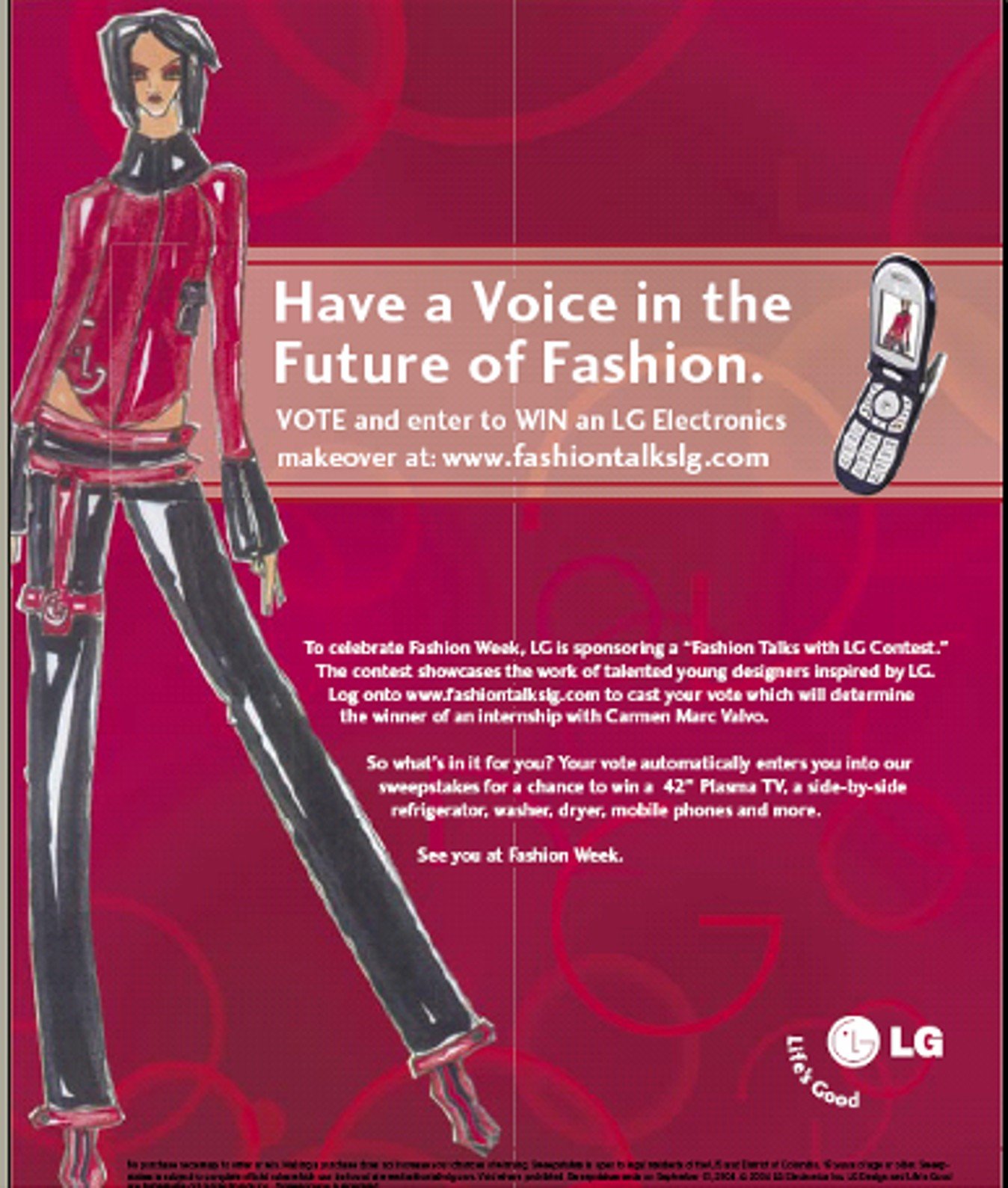
LG branding and devices were integrated into 25 strategic partnership events, 11 added-value media events, and four high-profile cultural moments, including Fashion Week. In parallel, 62 high-profile media placements reached both influential tastemakers and engaged fans.
In total, the program generated 195 million impressions, outperforming the approved plan of 56.7 million by more than 340%.
Most importantly, within 14 months post-launch, LG Mobile achieved the #2 position among handset makers in the U.S., up from #6.
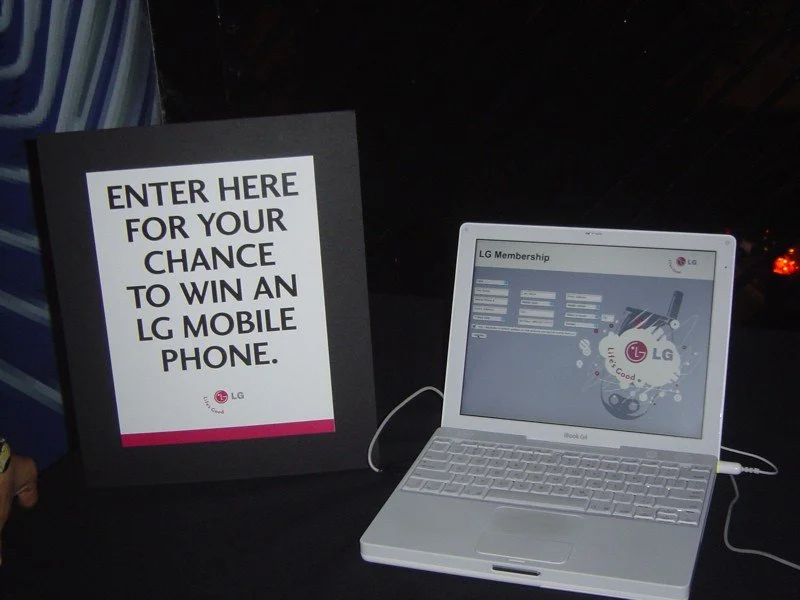
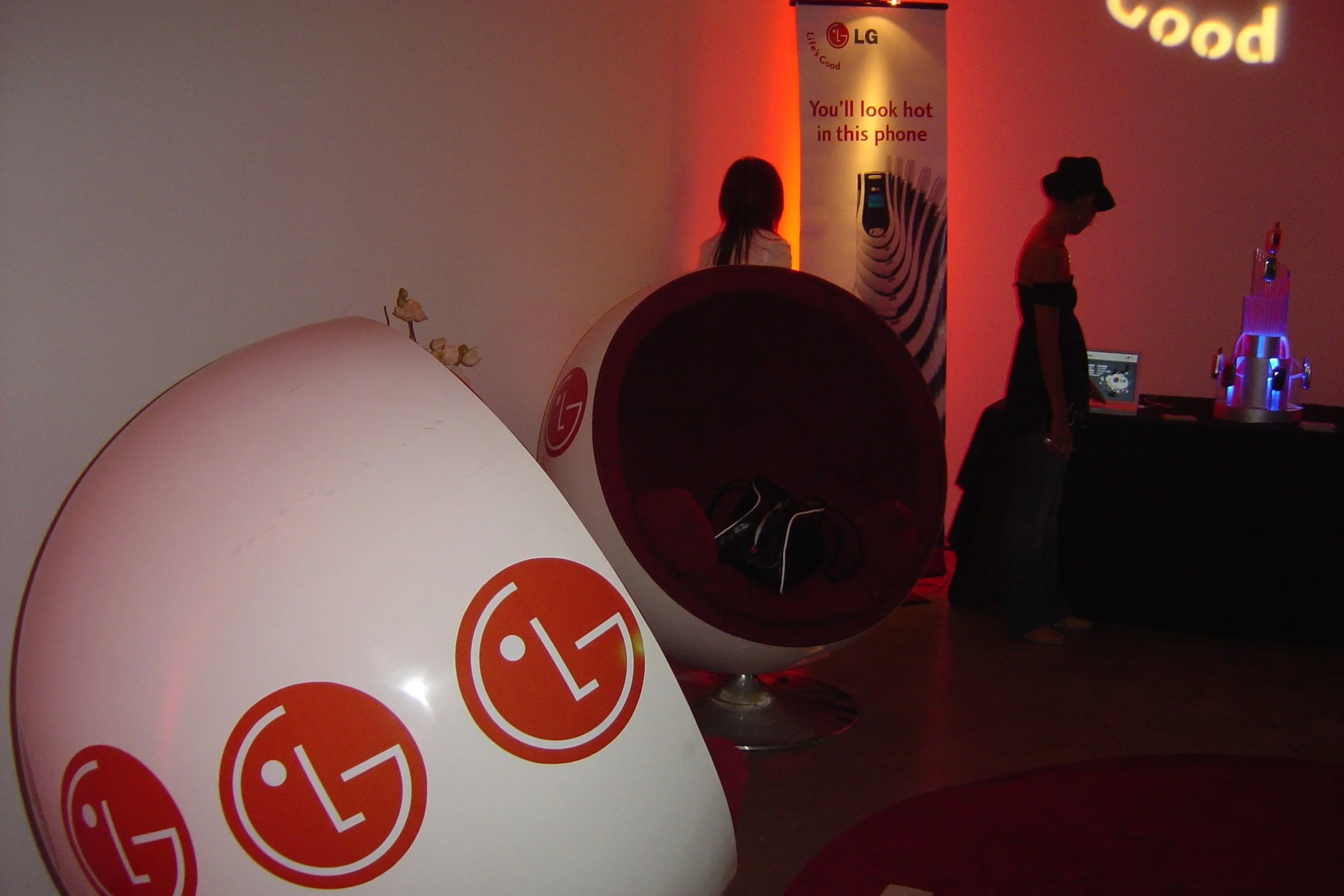
CURATED events
Click on image below to enlarge.
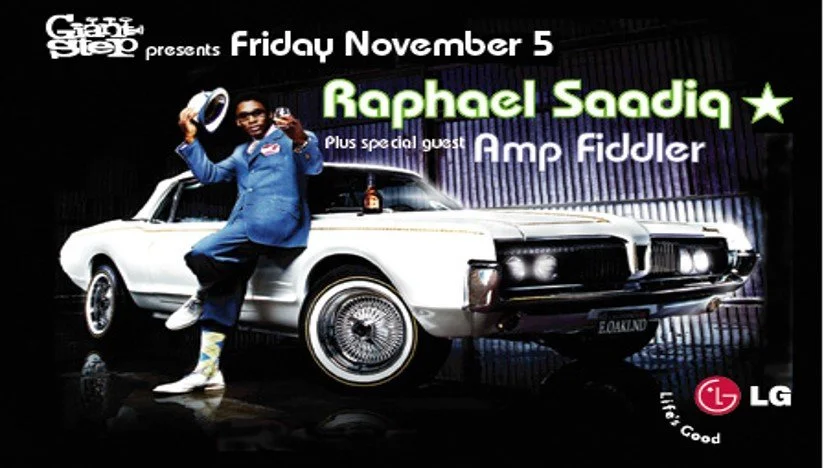
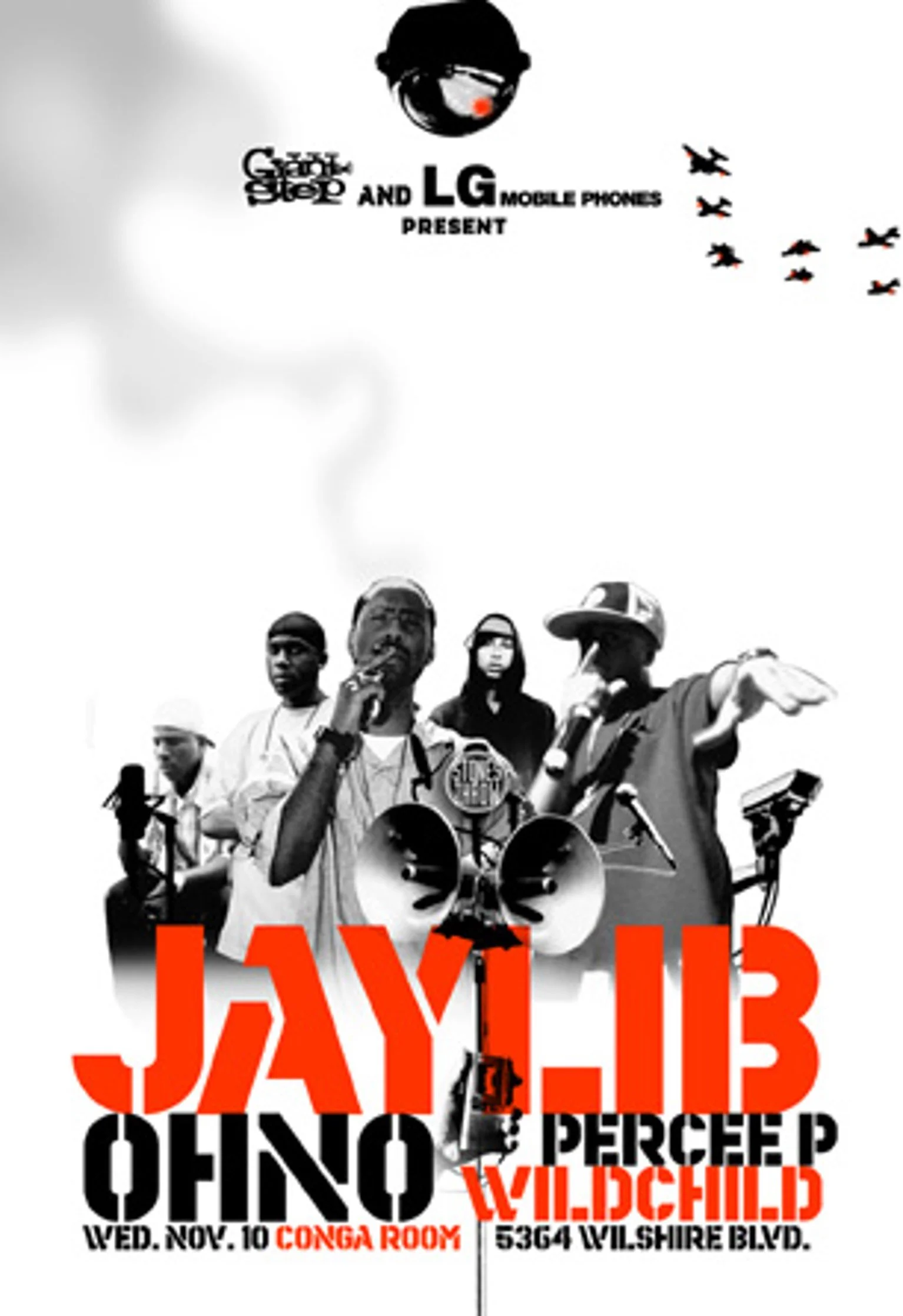
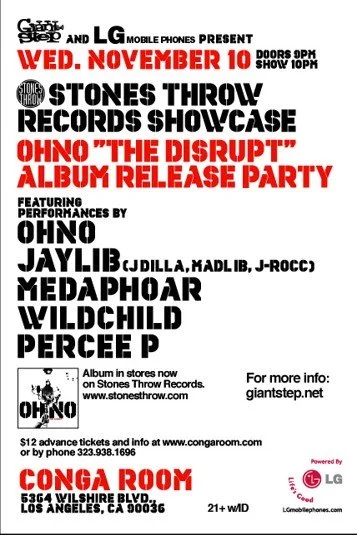
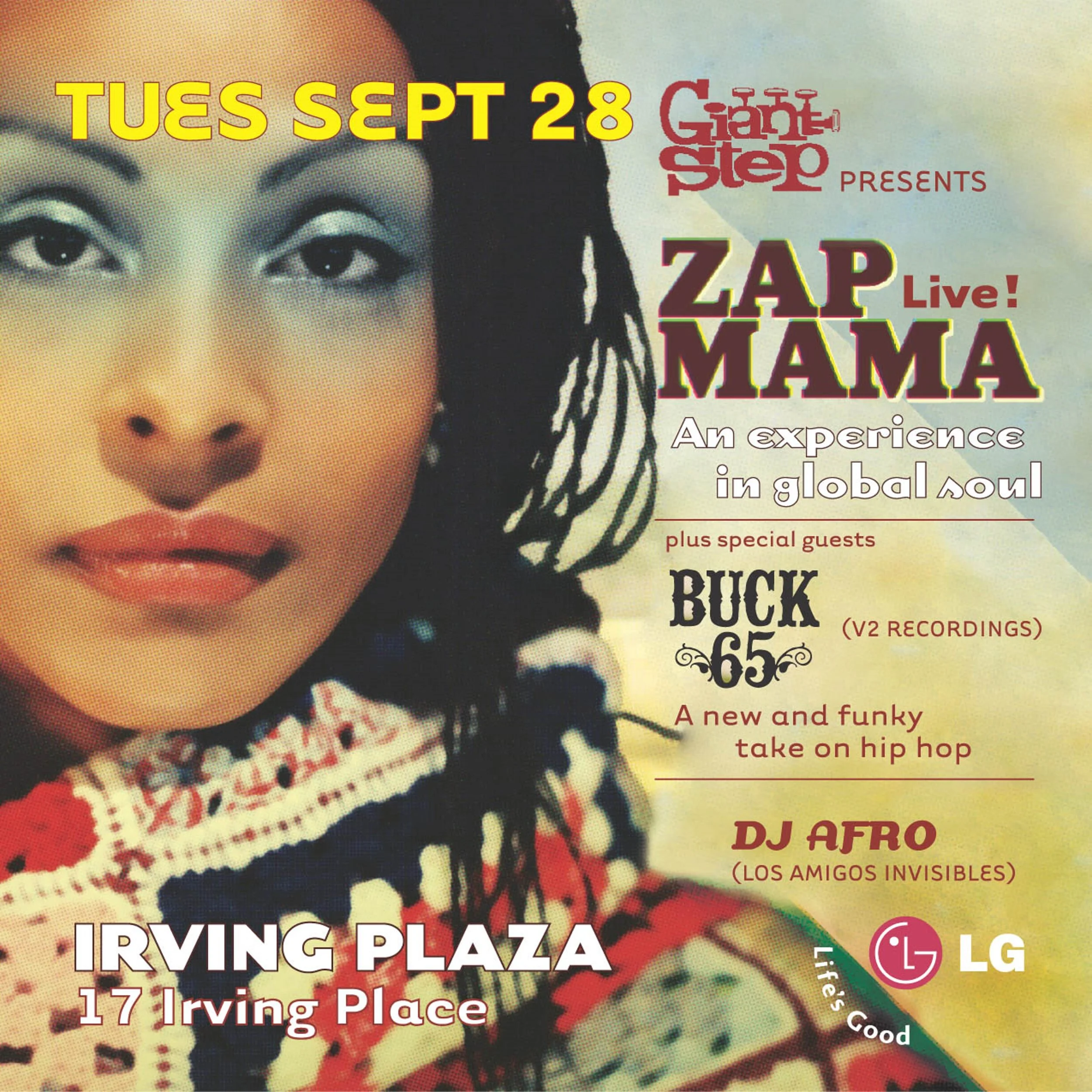
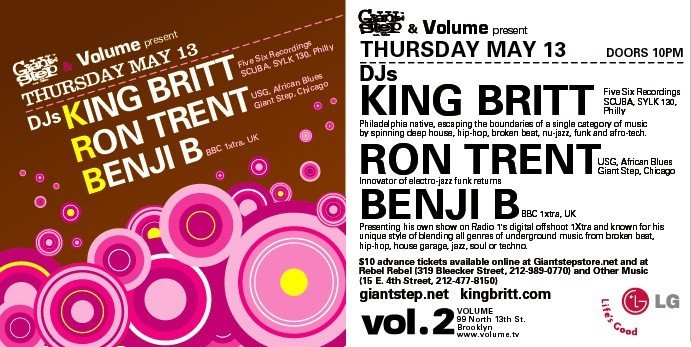
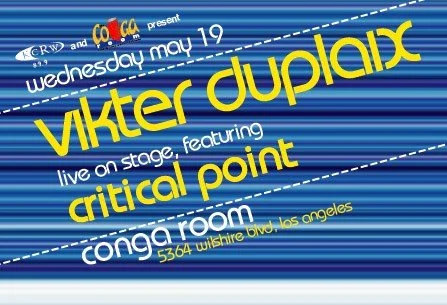
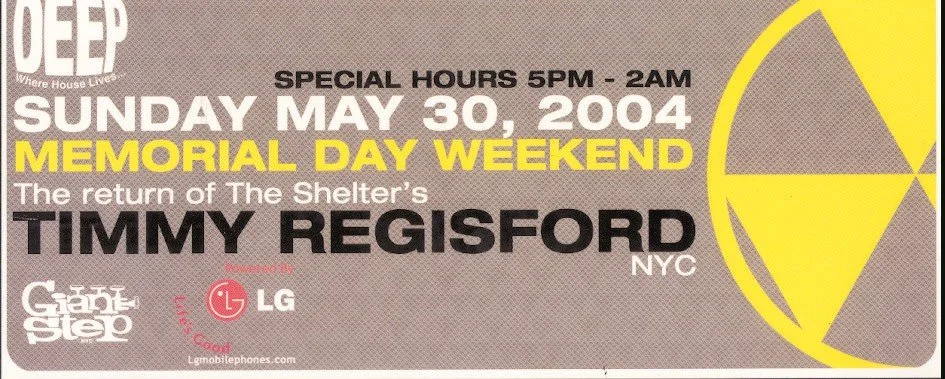
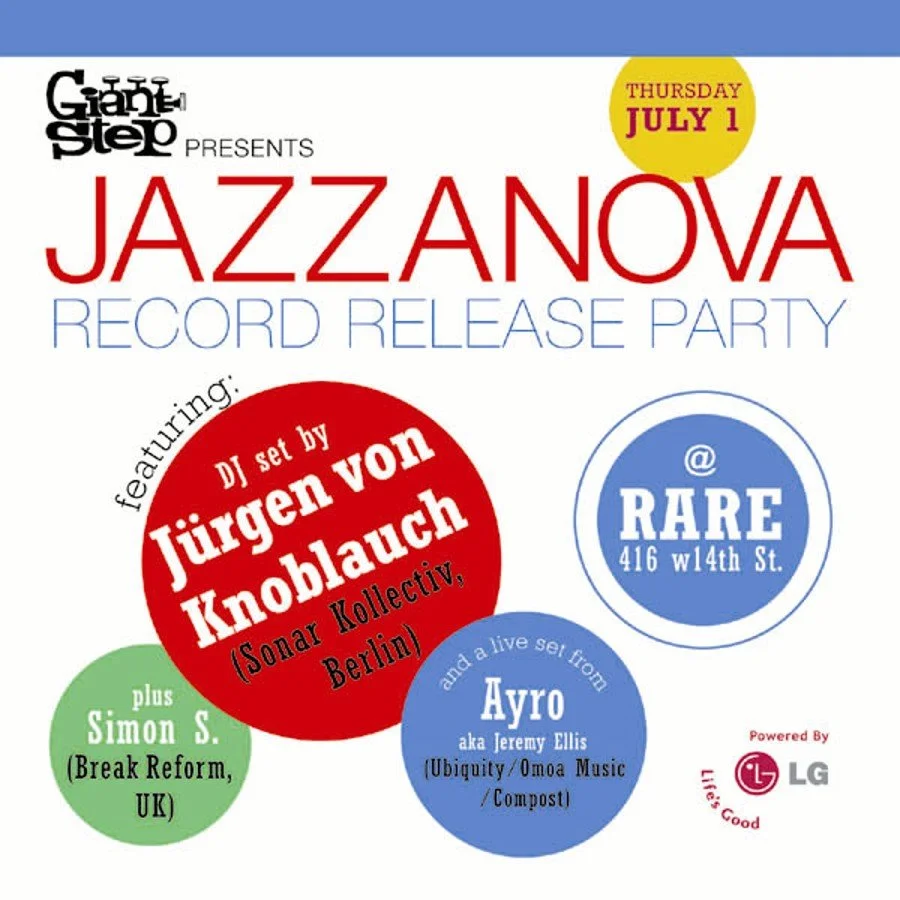
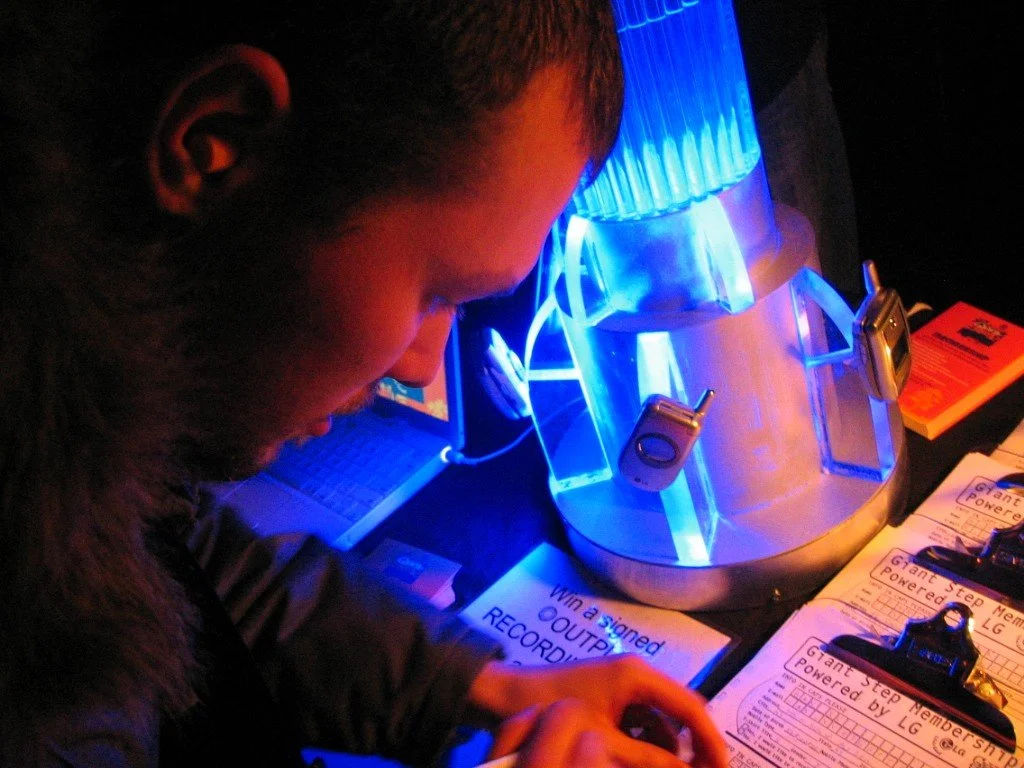
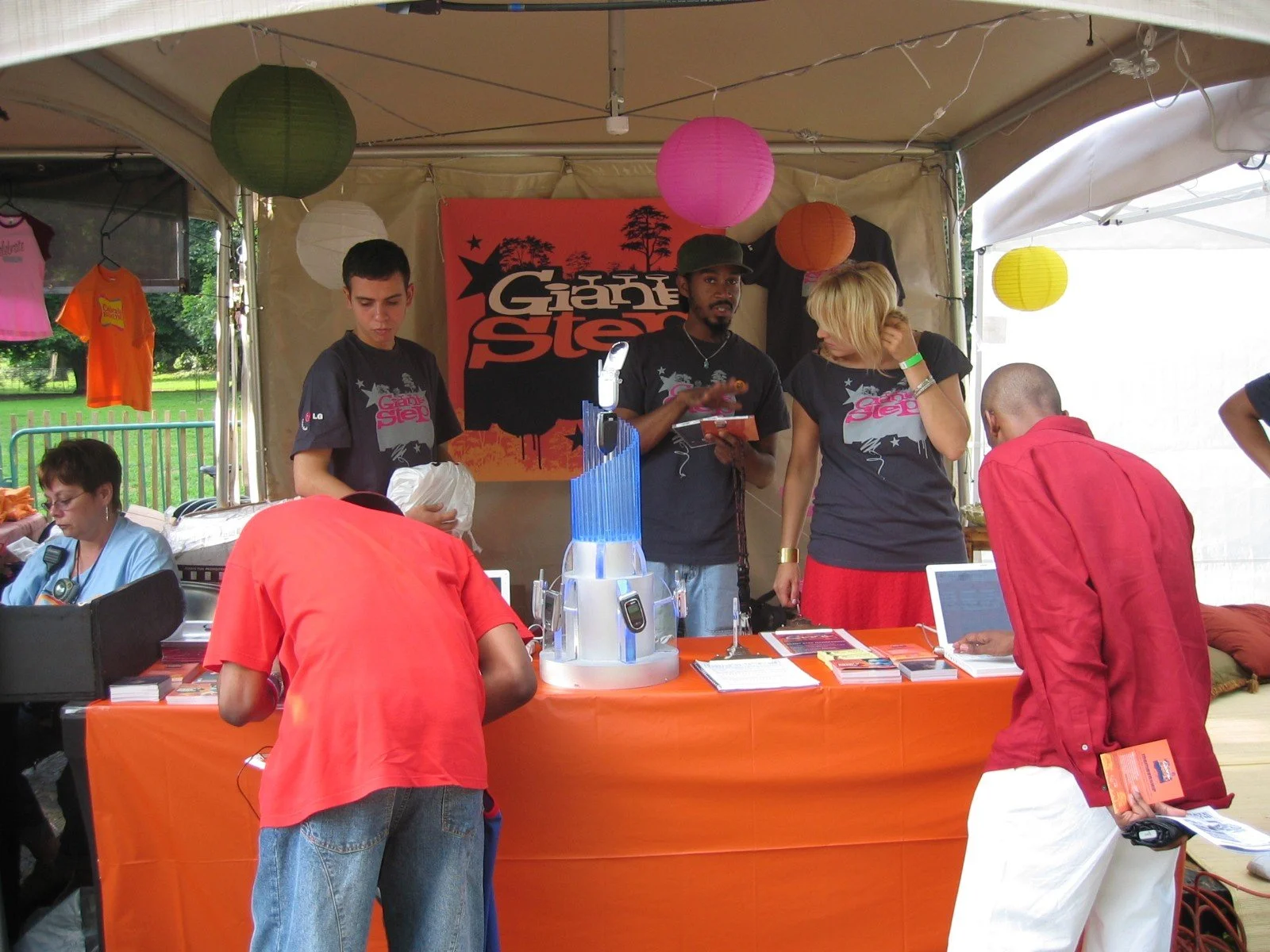
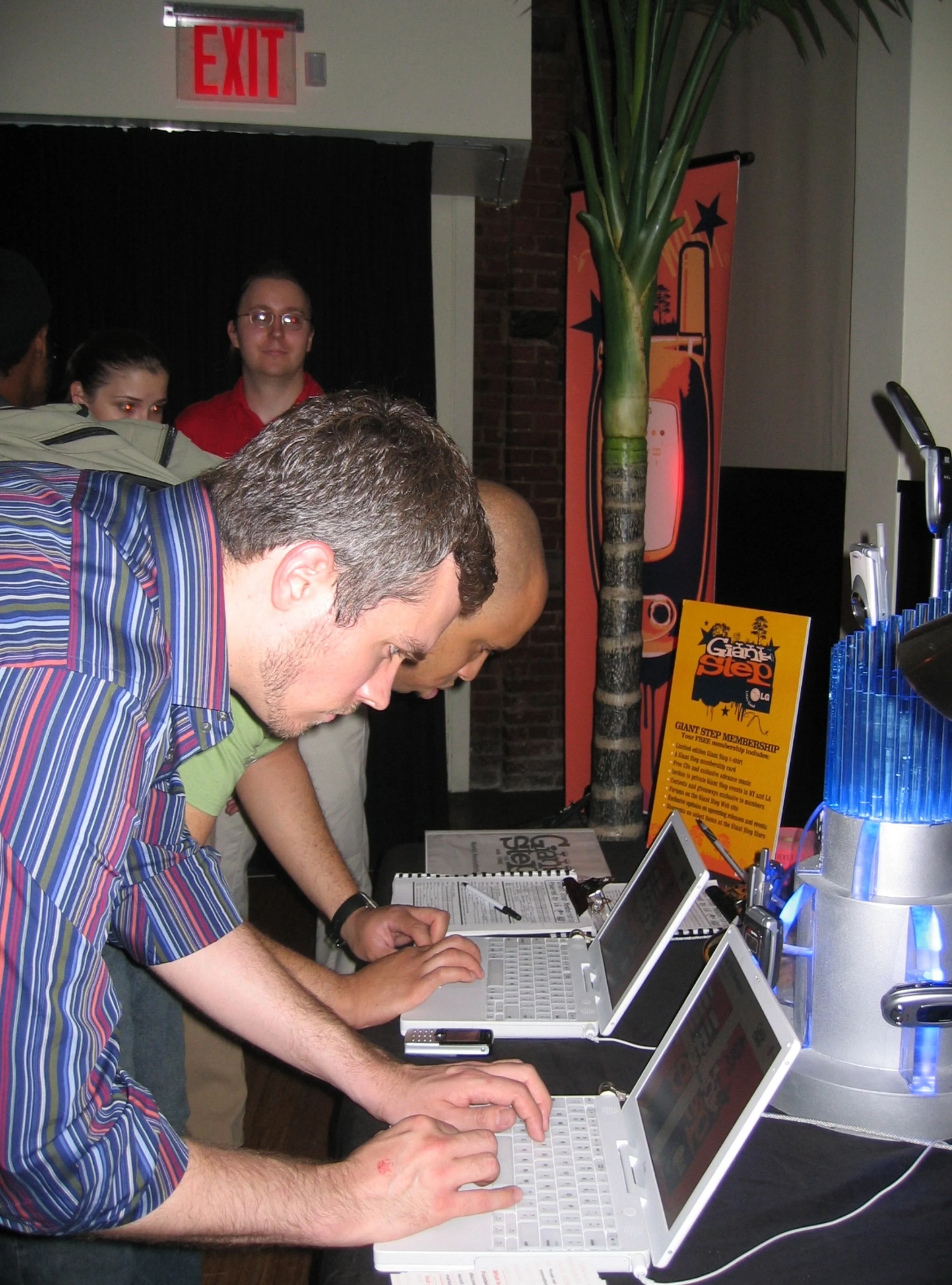
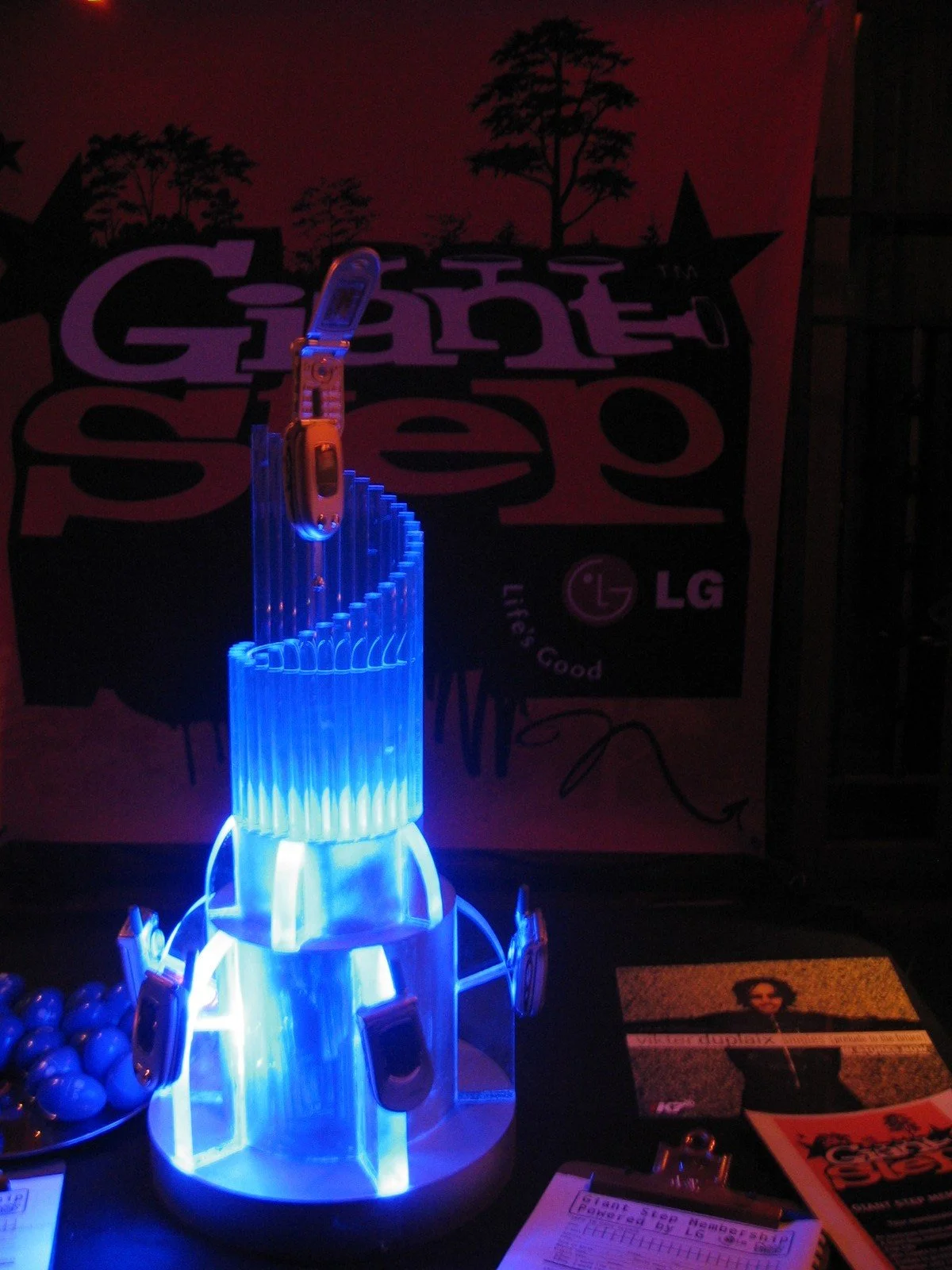
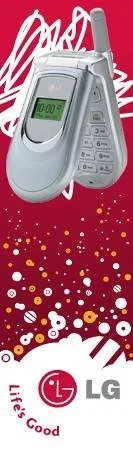
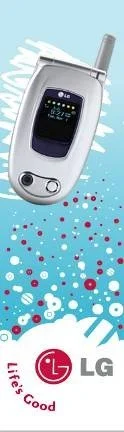
some of the activations
Click on image below to enlarge.


fashion week
Click on image below to enlarge.

EXPLORE MORE CASE STUDIES