POWERADE
How a “Me-Too” Brand GAINED Relevance — and Why This Thinking Still Wins Today
Summary: Powerade had every advantage—money, muscle, distribution—yet stalled and was quietly being delisted in a category it was built to dominate. By forcing Coca-Cola to think like a challenger, we nearly doubled Powerade’s share by rewriting the rules of relevance, innovation, and credibility.
Services Provided For This Project:
Target Audience Assessment
Consumer Insights
Strategy
Media Planning & Buying
Digital Media Planning & Buying
Creative
Production
In-store / Point-of-Sale
Package Design
Ad Operations
Consumer Promotions
Strategic Alliances
Event Sponsorship
Celebrity Talent
Why CMOs Should Care
This isn’t a sports drink story. It’s a playbook for challenger brands.
Powerade proves:
Retail follows demand, not brand size
Innovation opens doors promotions never will
Credibility can be built faster than heritage
And growth doesn’t come from playing defense
At Left Off Madison, this thinking didn’t stay in the past. It became the foundation of how we help brands punch above their weight today.
If your brand is being outspent, out-shelved, or out-shouted, then this is how you fight back.
This is not a recent campaign. That’s exactly the point.
The Powerade turnaround — alongside iconic work for LG Mobile, Hawaiian Punch, and dnL — represents the foundational thinking that shaped the leadership of Left Off Madison. These were the moments that taught us how to fight category leaders, re-ignite retailer belief, and engineer demand when the odds (and shelf space) are stacked against you.
For CMOs facing commoditization, retailer resistance, or a dominant competitor today, the lessons from Powerade are not dated, they’re timeless.
The Business Problem
Powerade was supposed to be inevitable. Built by The Coca-Cola Company — the most powerful beverage marketer on earth. It was designed to challenge PepsiCo’s Gatorade. On paper, Coca-Cola had everything: money, muscle, distribution, relationships.
Five years in, none of it mattered.
Powerade stalled at roughly 15% market share while Gatorade held 73%. This wasn’t a slow start, it was a rejection. Promotions failed. Coupons created brief spikes, then collapse. As the sports drink category grew, Powerade didn’t.
Retailers stopped debating the brand’s future and started deciding it. Powerade wasn’t being outspent or out-marketed, it was being delisted, quietly and permanently, one store at a time. The brand wasn’t just losing share; it was losing oxygen.
For Coca-Cola, this was rare and dangerous territory. Money couldn’t buy belief. Deals couldn’t force velocity. Power didn’t work here.
If Powerade couldn’t gain a foothold, Coca-Cola would be forced to surrender an entire growth category to PepsiCo—accepting an uncomfortable truth: in sports drinks, it wasn’t the leader.
It was the challenger. And challengers don’t win by spending more. They win by thinking differently.
The Strategic Reset
Coca-Cola made a bold internal move: brand leadership for Powerade shifted from Atlanta to Energy Brands (Glacéau) in Whitestone, NY — the same entrepreneurial incubator that built Smartwater and Vitaminwater.
New leadership demanded new thinking. New thinking demanded new agency partners. This wasn’t about polishing a message. It was about re-engineering relevance.
The Strategy: Flip the Battlefield
Instead of chasing Gatorade head-on, Powerade changed the rules of engagement. The turnaround was built on three strategic pillars:
1. Innovation as a Wedge
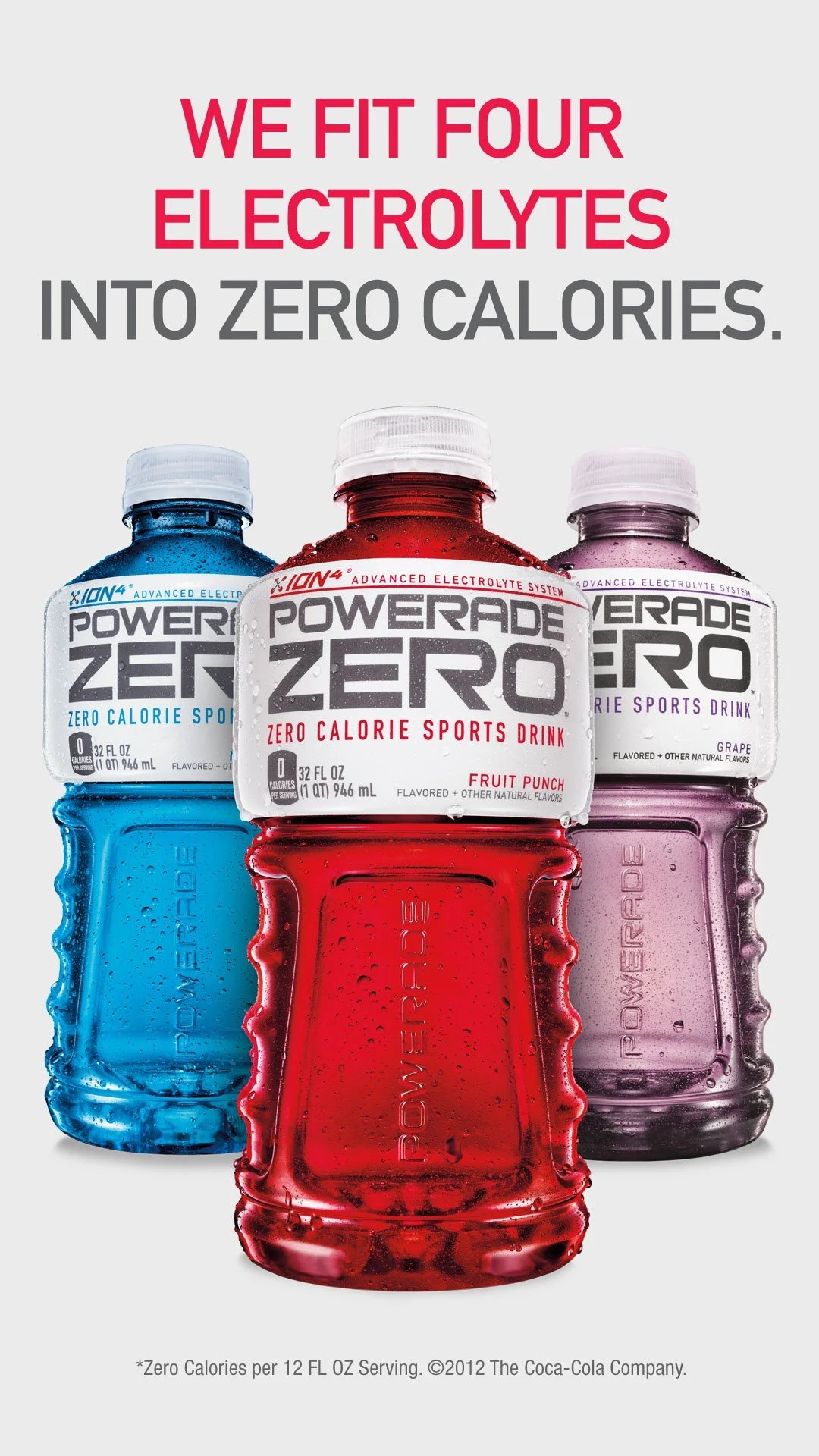
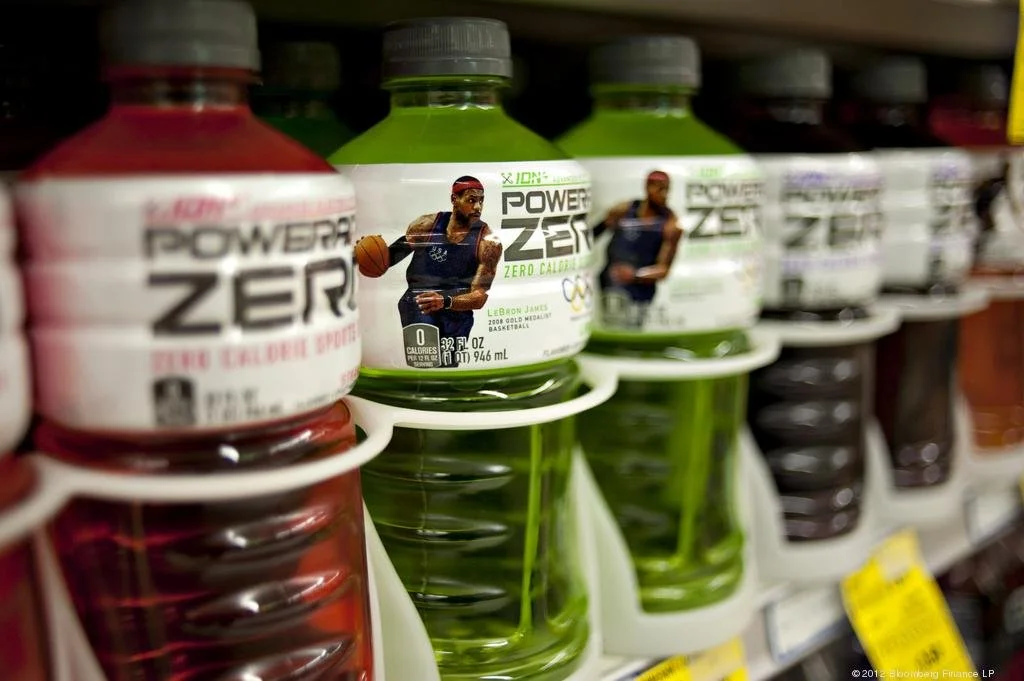
Powerade launched Powerade Zero, staking early claim to the sugar-free, performance-hydration space—well before it was a priority for Gatorade.
This wasn’t incremental innovation. It reframed Powerade as progressive, performance-driven, and health-aware. Not a copycat.
2. Science Over Swagger
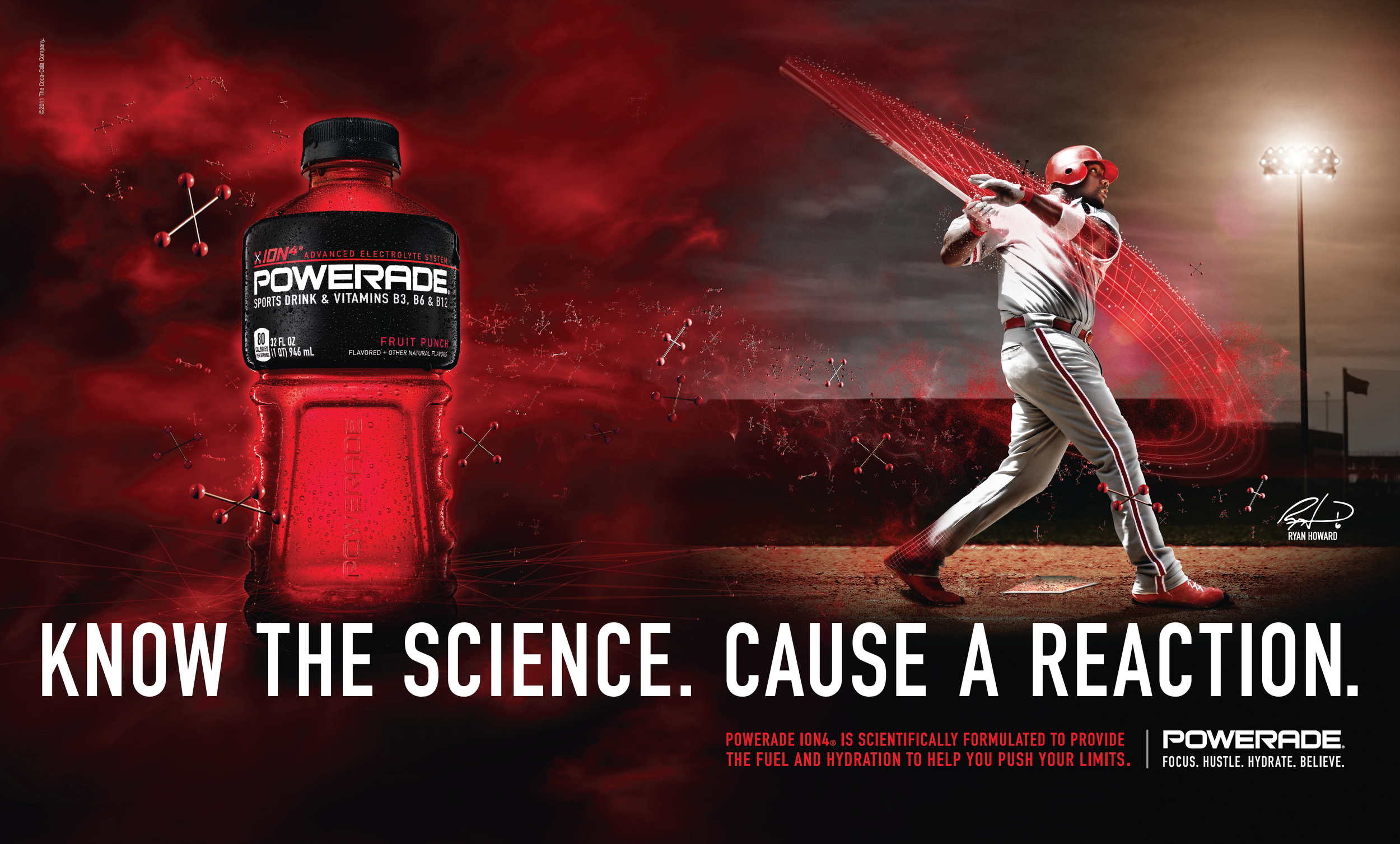
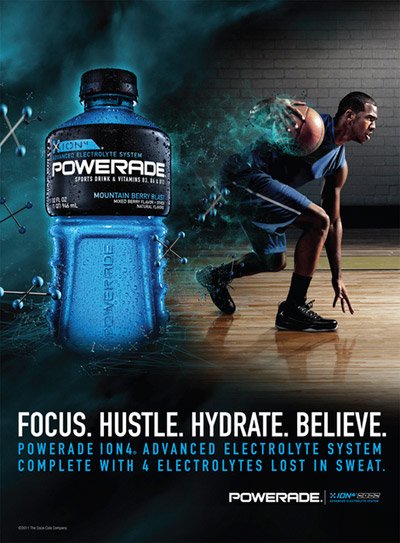
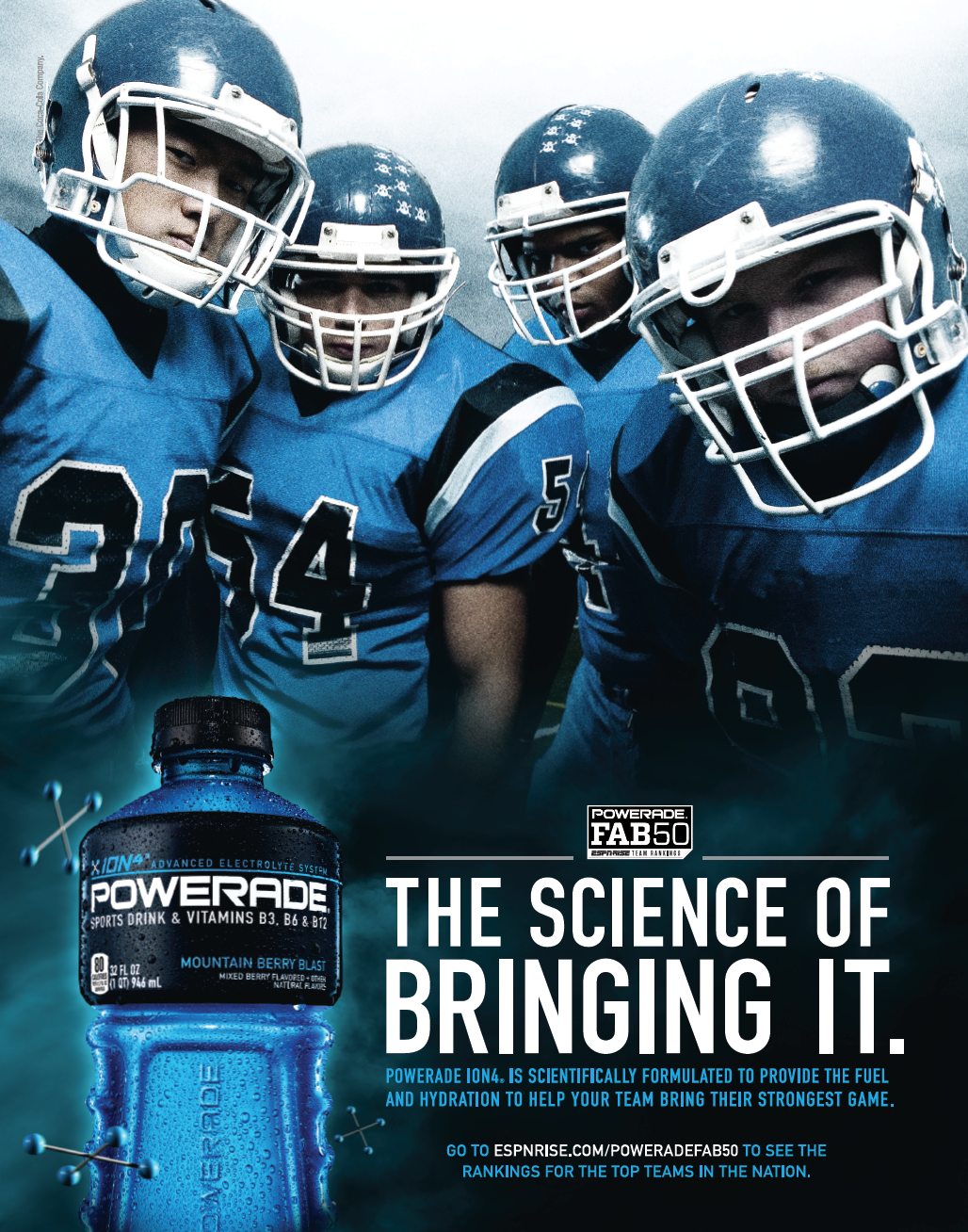
As Gatorade leaned increasingly into lifestyle and heritage, Powerade leaned hard into sports science and functional performance. The message was clear: This isn’t about legacy. It’s about results.
3. Credibility at Scale
To rebuild trust and trial, Powerade engineered omnipresent credibility:
Olympic-level legitimacy
Elite athlete validation
Grassroots visibility where athletes are made, not just celebrated
The Plan: Force the Brand Back Onto the Shelf
Powerade didn’t whisper its comeback. It made it impossible to ignore.
Global Authority
Through Coca-Cola’s Olympic sponsorship, Powerade became the exclusive branded beverage of the Olympic Games surrounding the world’s greatest athletes with the product at the highest level of performance.
Star Power with Purpose
Powerade aligned with elite, high-performance athletes across major sports, including:
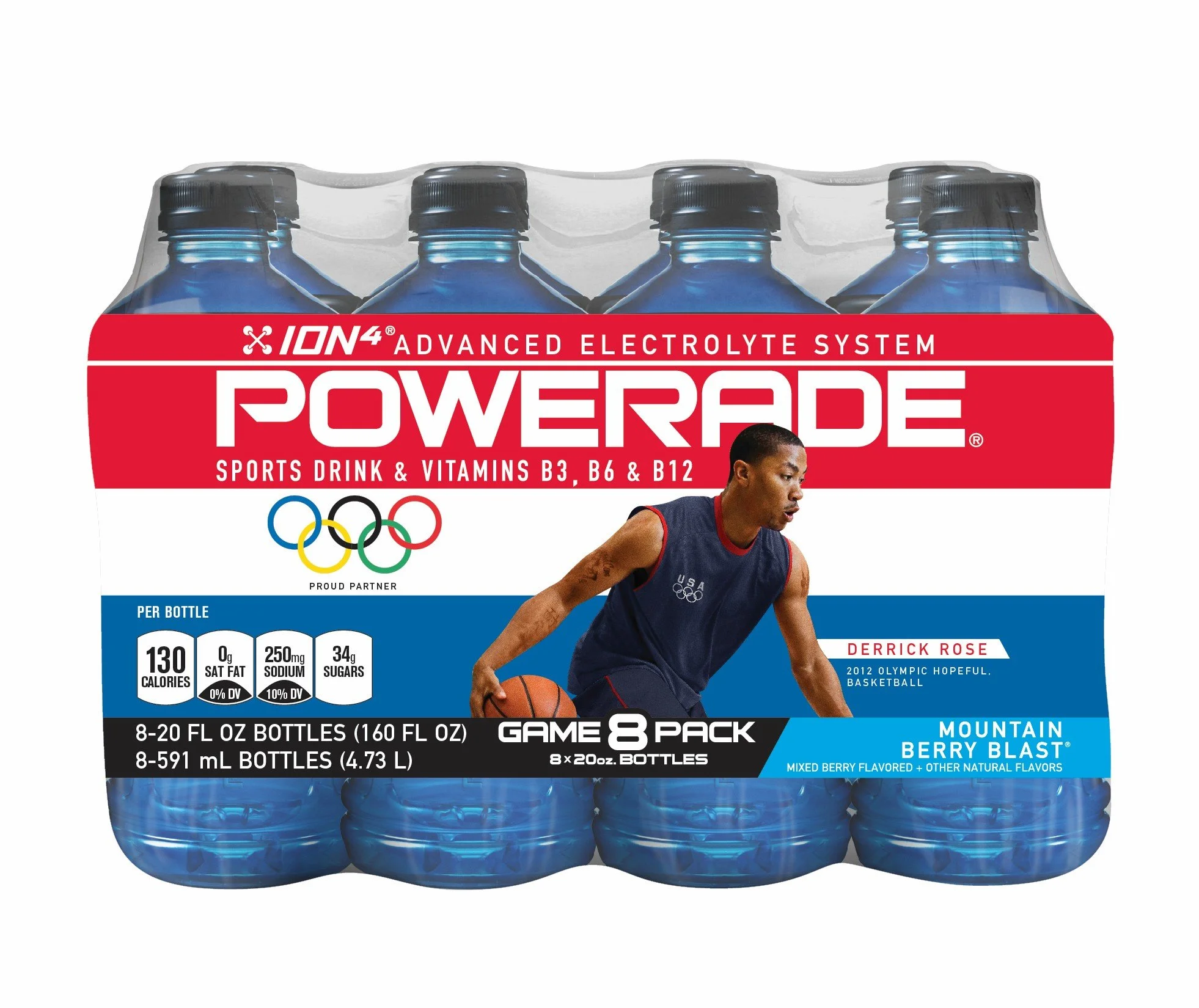
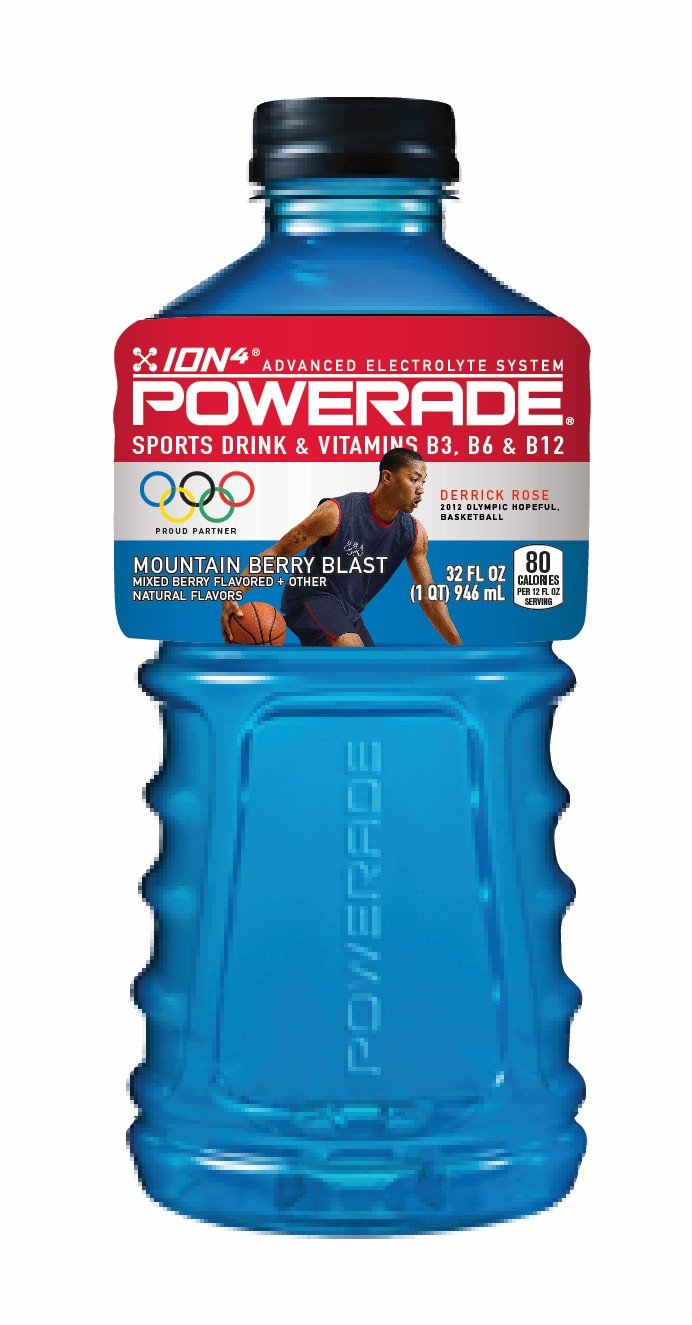
Derrick Rose, Chris Paul, LeBron James (NBA)
Ryan Howard (MLB)
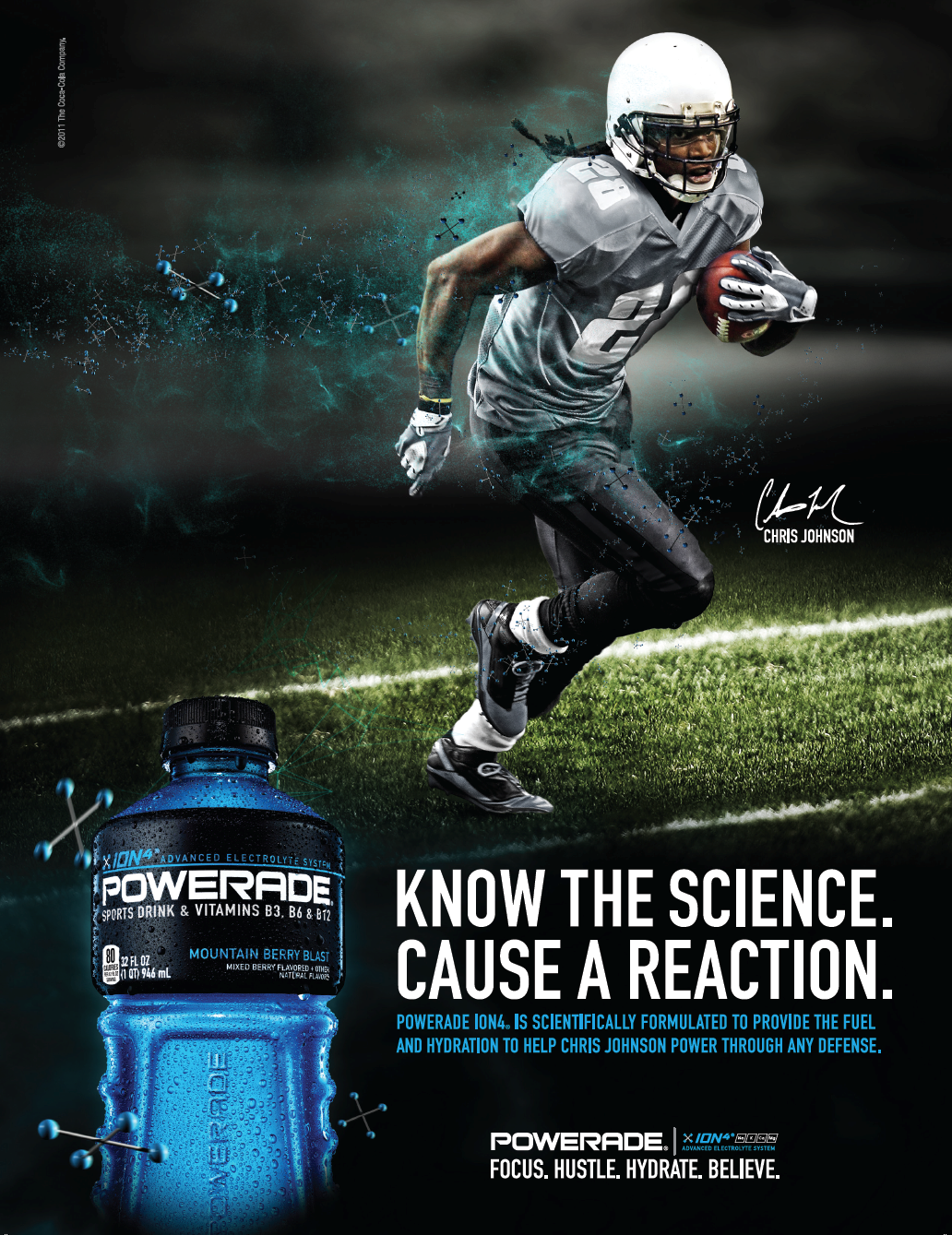
Chris Johnson (NFL)
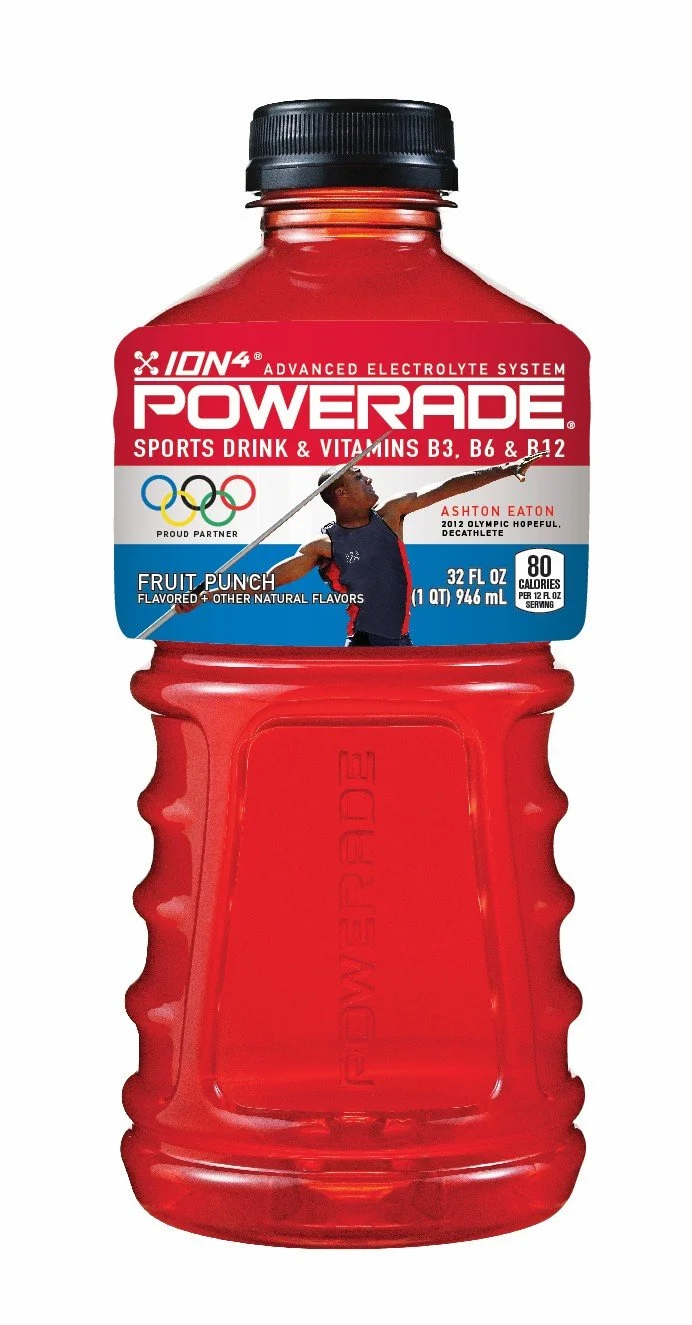
Ashton Eaton (Decathlon)
These weren’t just endorsements, they were proof points.
Cultural Saturation in Sports
Strategic NCAA partnerships
Courtside and sideline visibility via branded coolers and cups
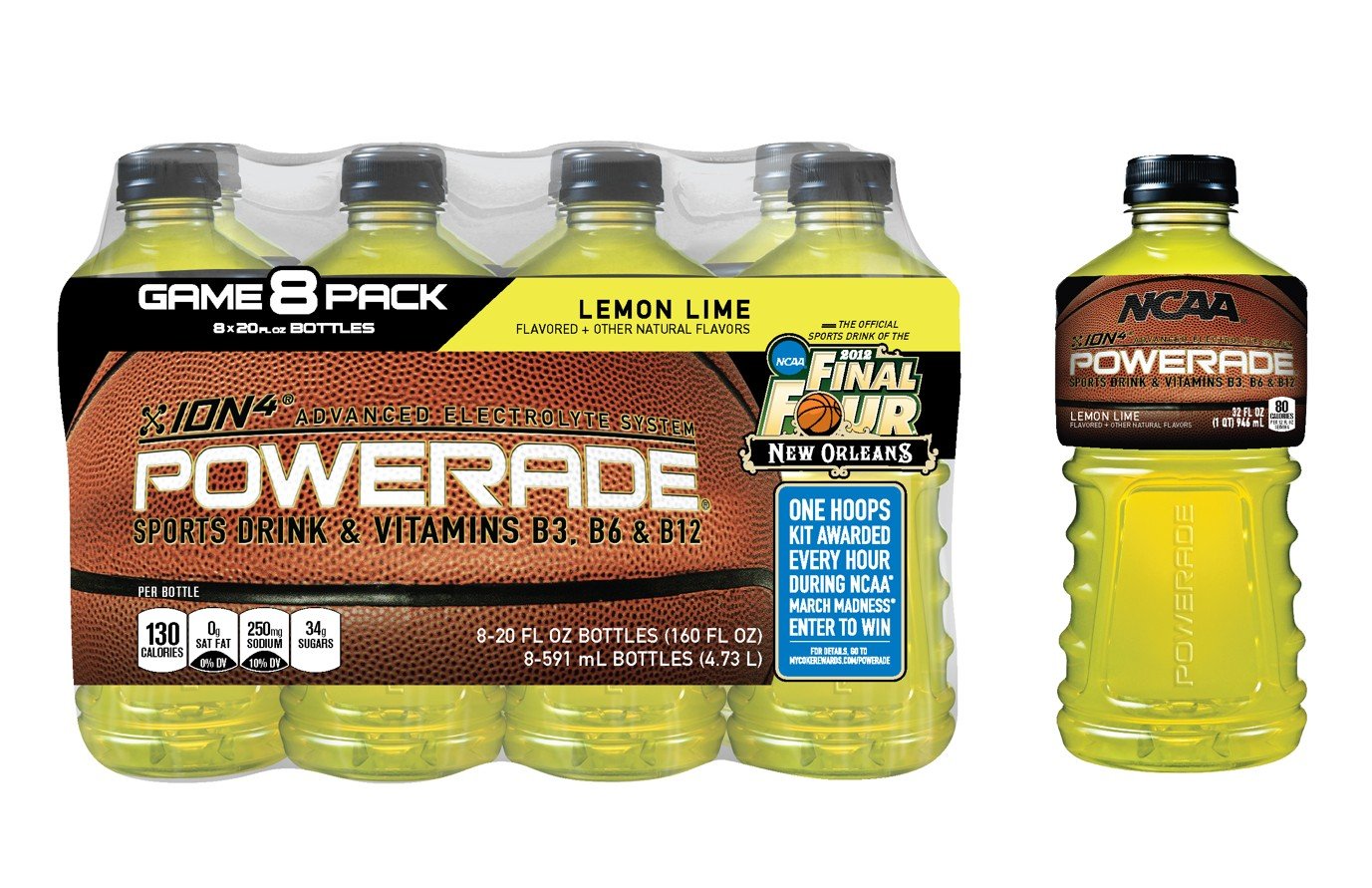
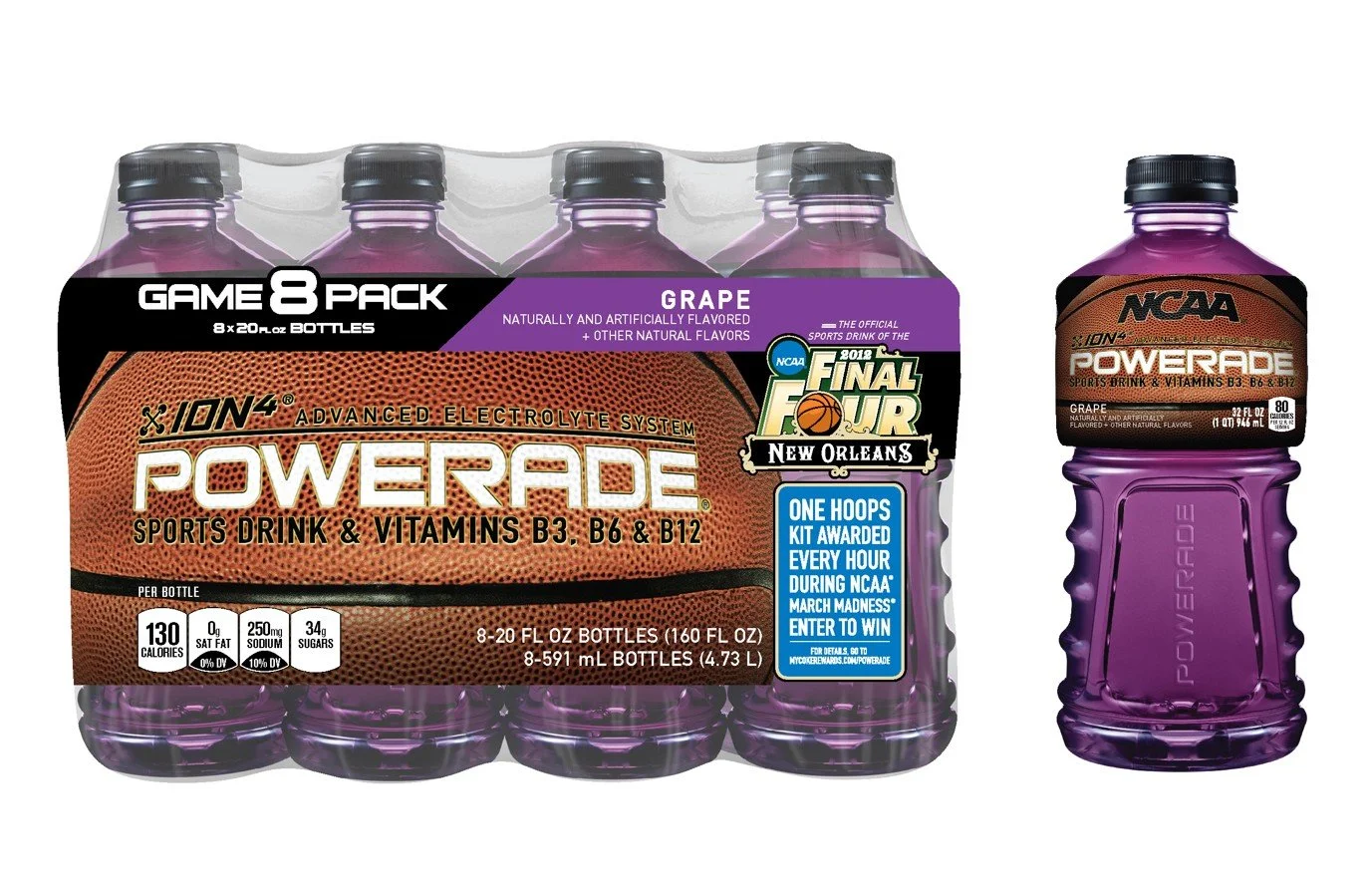
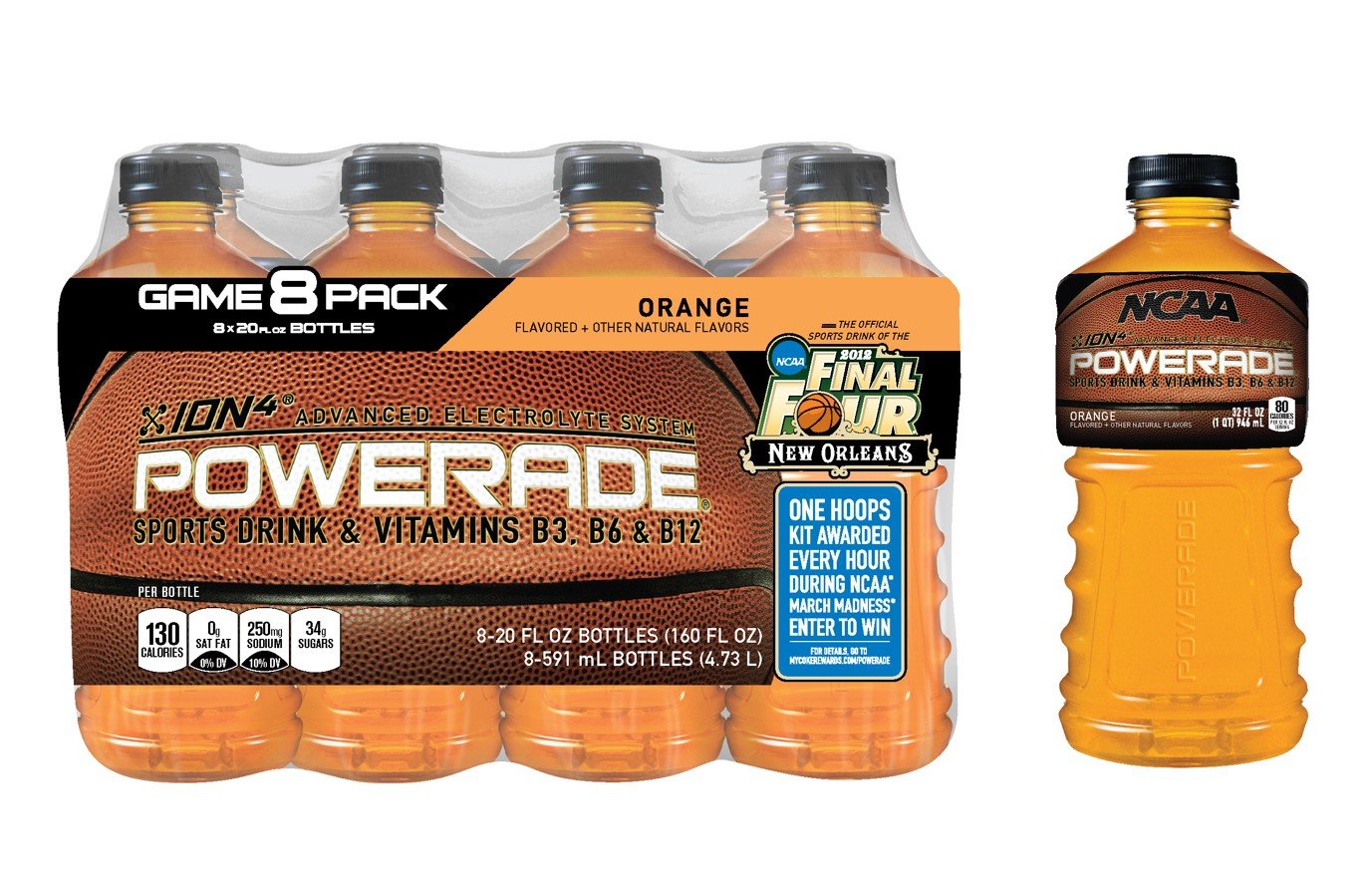
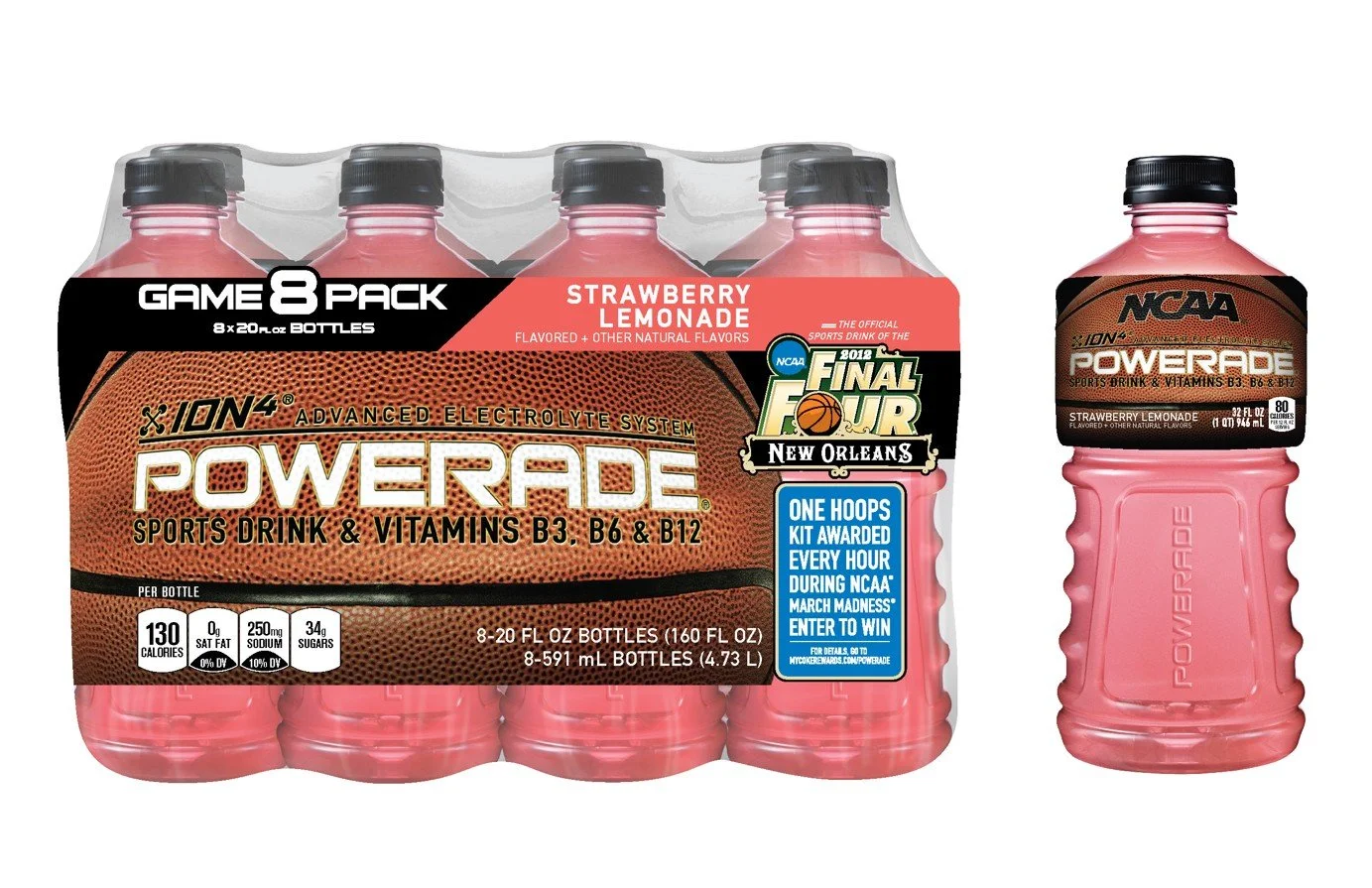
Multi-year sponsorship of the NCAA Final Four
High-school athlete engagement via ESPN HS / RISE and local sports activations
Retail as a Growth Channel, Not a Gatekeeper
The brand and agency teams jointly developed custom retailer-specific sell-in stories, not one generic deck.
Retailers including Costco, BJ’s, 7-Eleven, Walgreens, CVS, Safeway, and Stop & Shop weren’t asked for space. They were shown why Powerade would earn it.
The Result
Powerade’s strategy-driven resurgence pushed the brand to a 27% market share peak, nearly doubling its position by:
Creating new reasons to believe
New reasons to stock
New reasons to choose
Gatorade remained the leader, but Powerade was no longer an afterthought. It was back in the game.
(click on image)
(click on image)
(click on image)
(click on image)
(click on image)
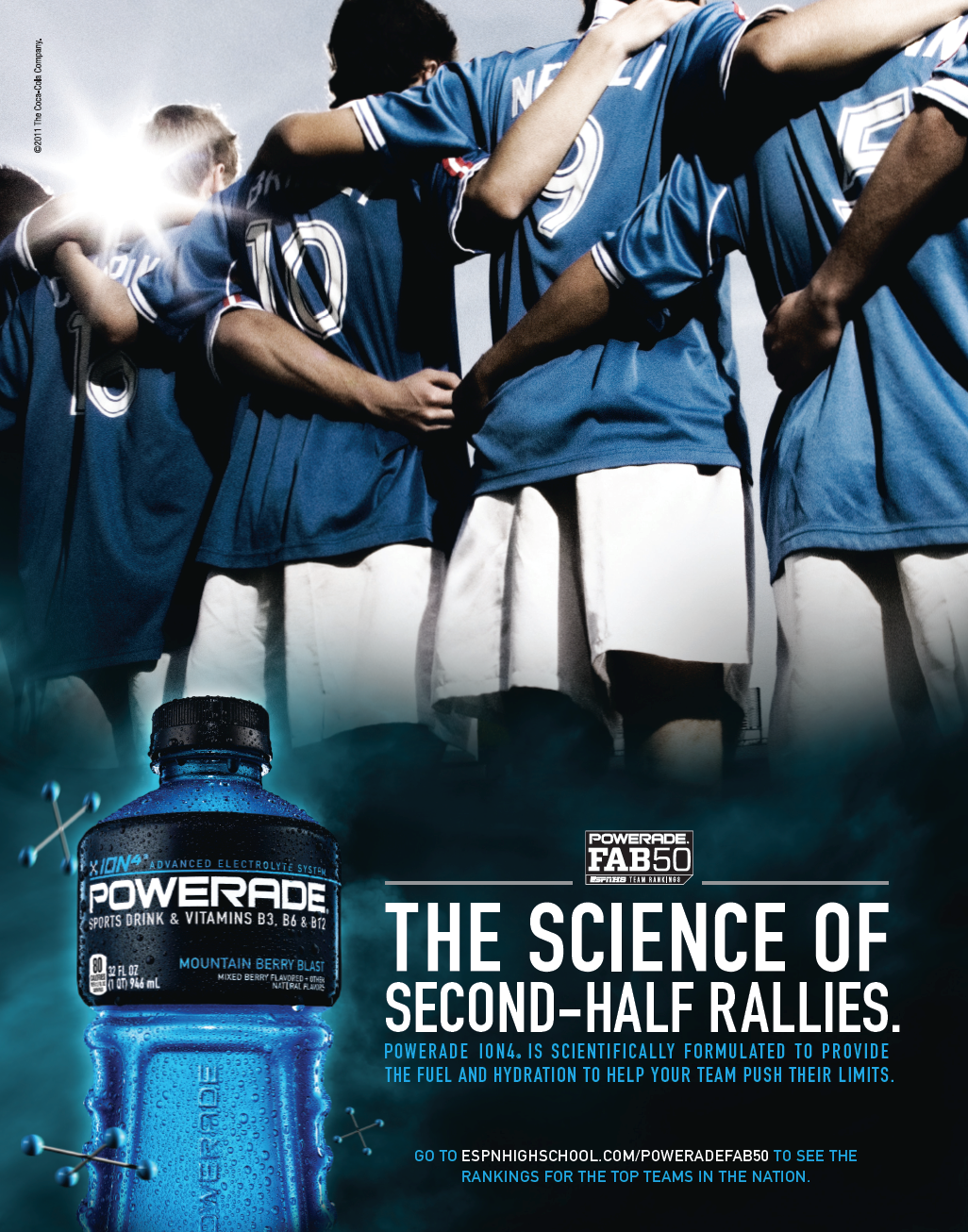
(click on image)
CELEBRATING DERRICK ROSE NBA MVP
We constructed a high-impact national (and local) ad campaign celebrating the NBA MVP recognition bestowed upon Powerade athlete, Derrick Rose. Click on images further below to view full size.
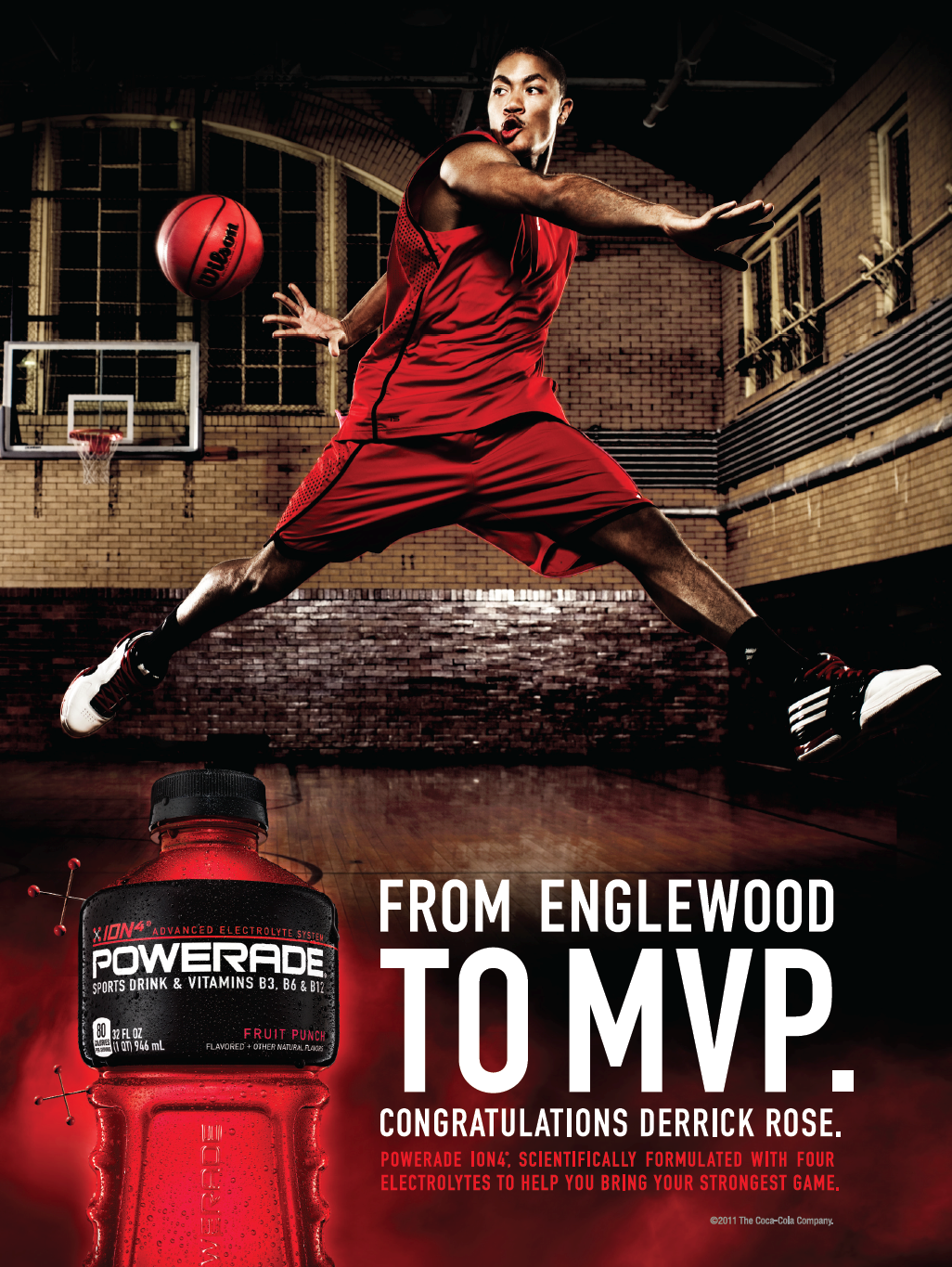
SINGLE PAGE AD (click on image)
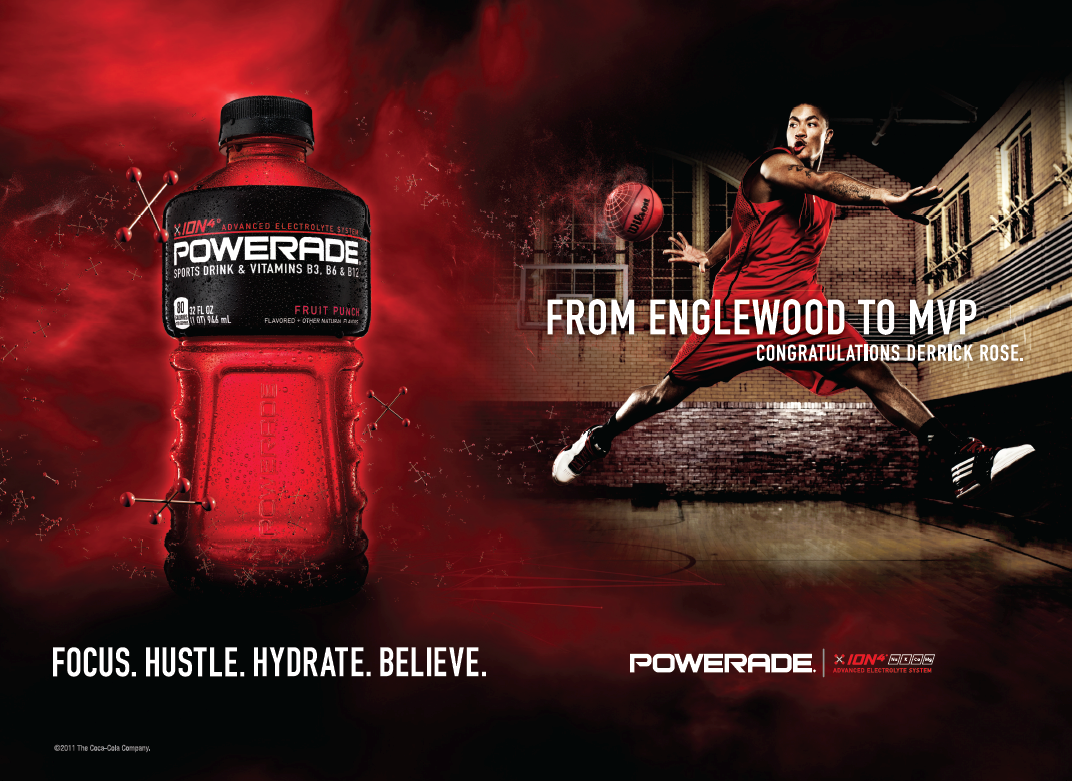
SPREAD AD (click on image)
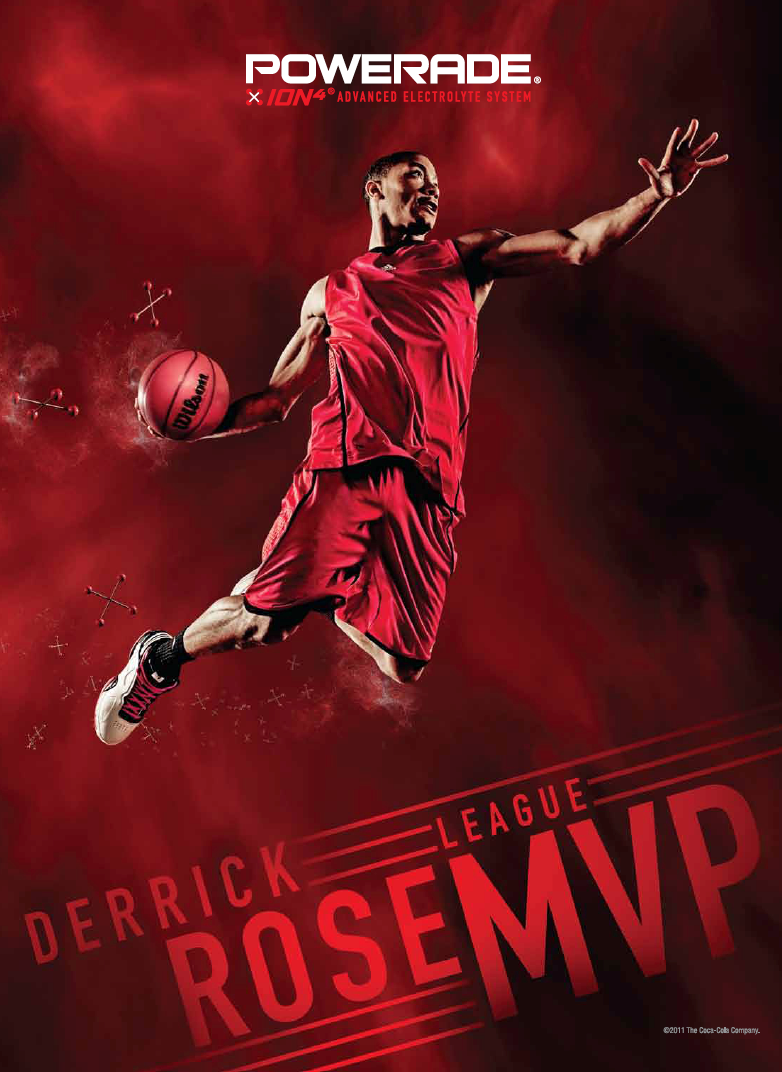
PULL-OUT POSTER (click on image)
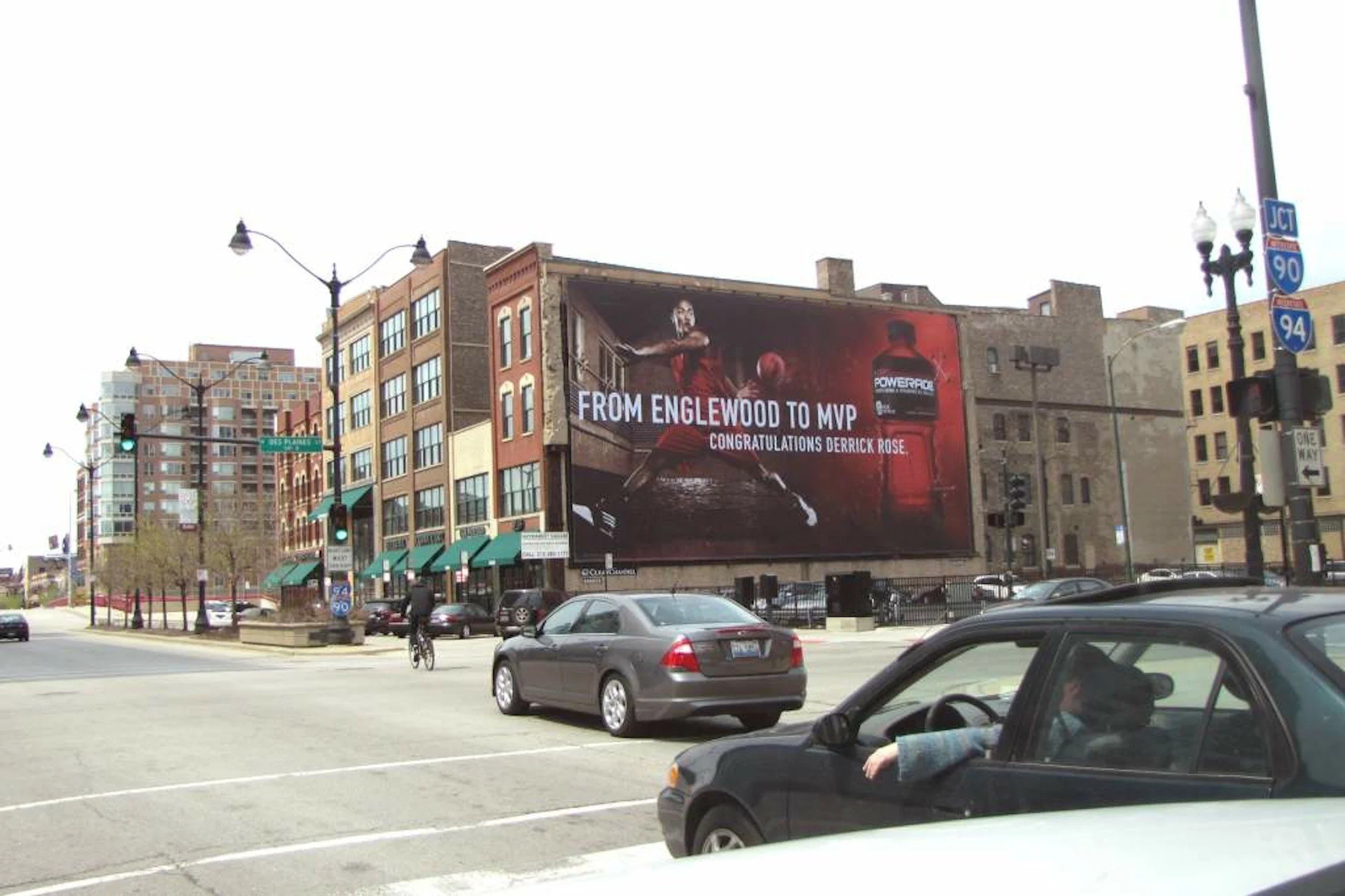
OUTDOOR AD IN ENGLEWOOD (click on image)
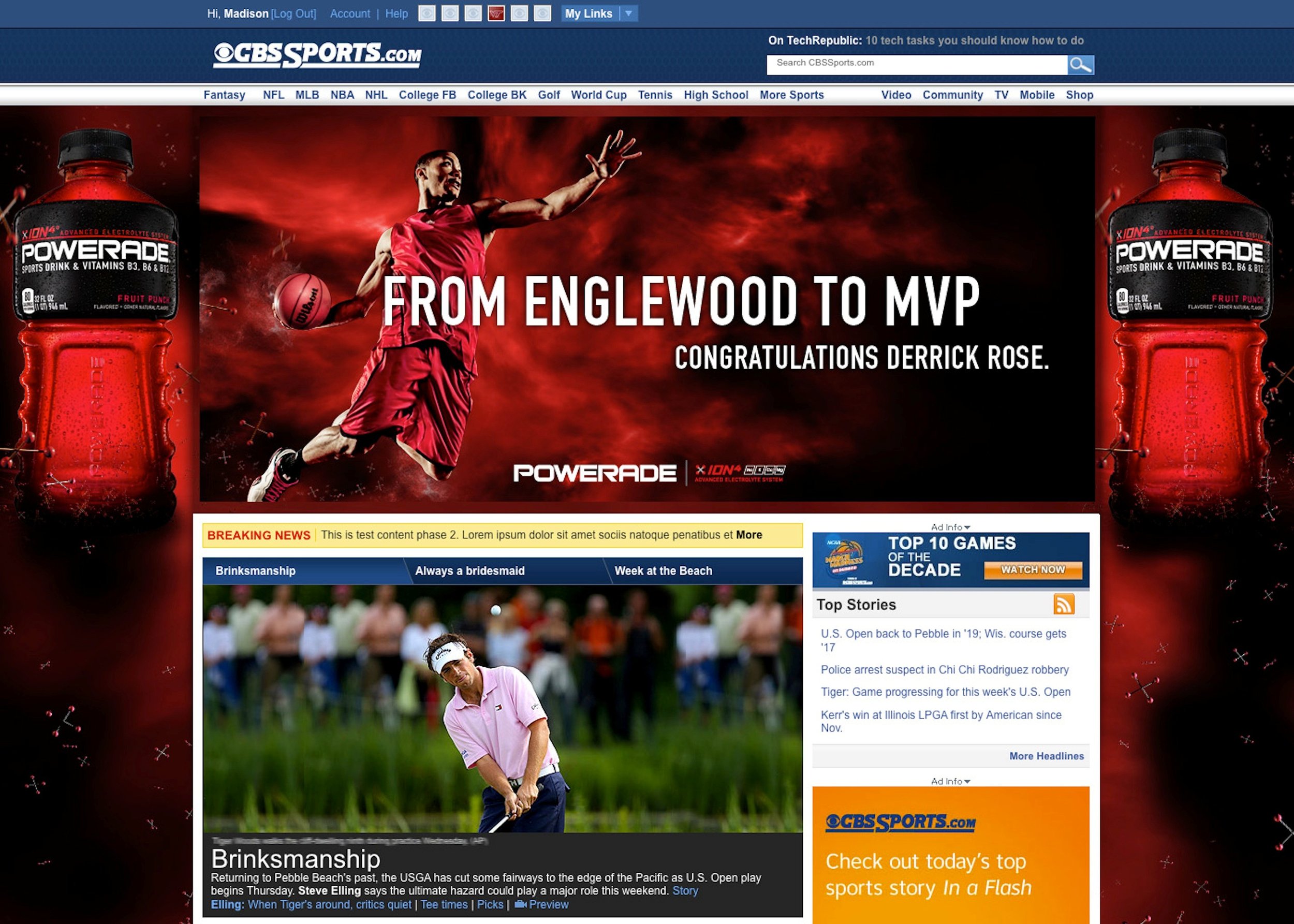
CBS SPORTS HOME PAGE (click on image)
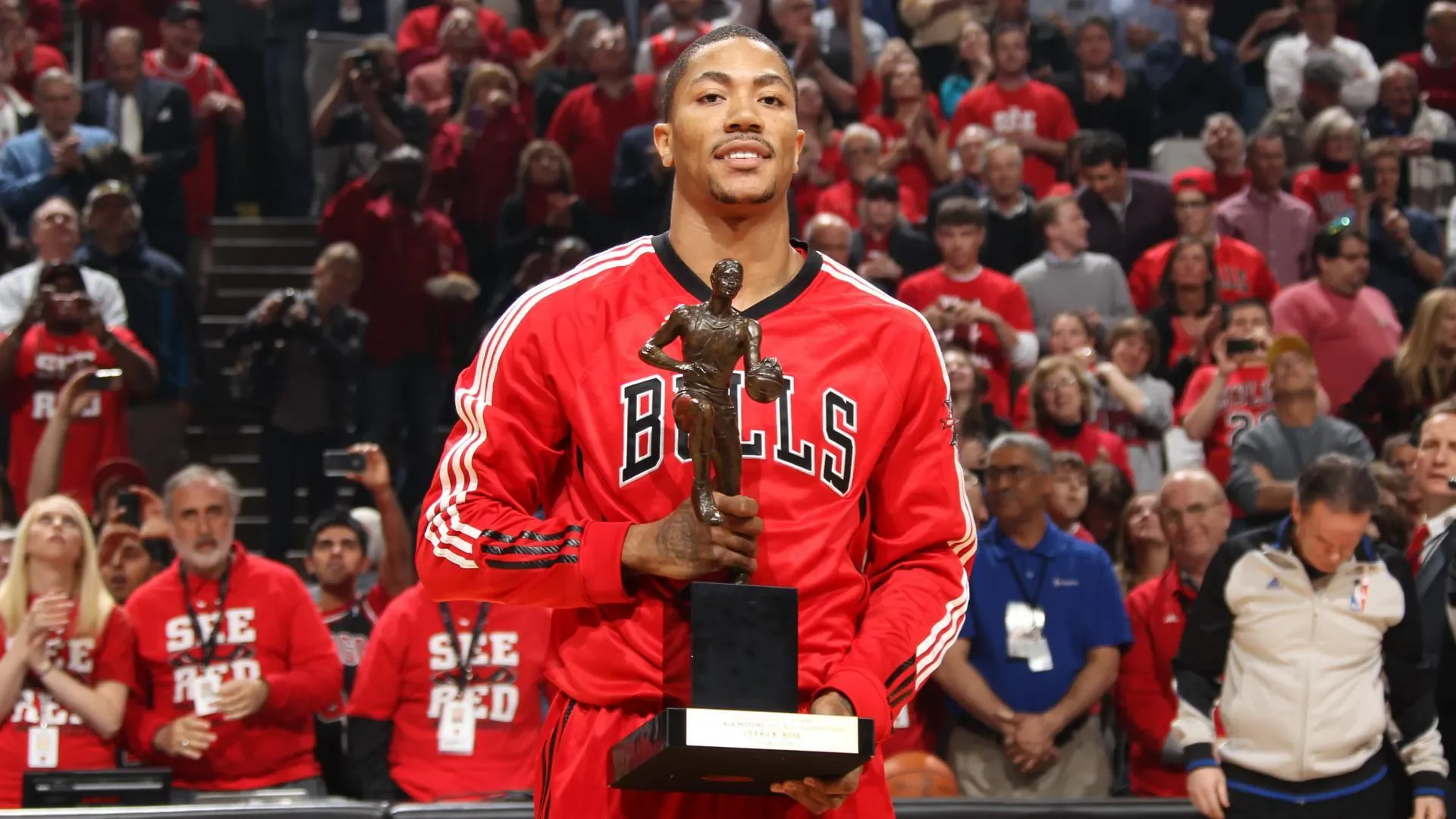
A basketball player wearing a red Bulls jersey holding a trophy in front of a crowd celebrating.
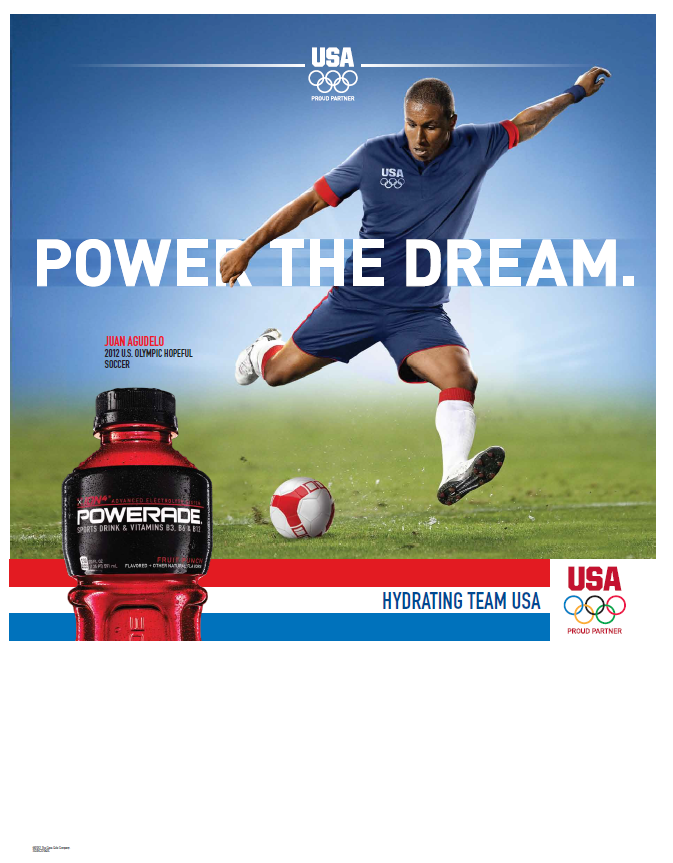
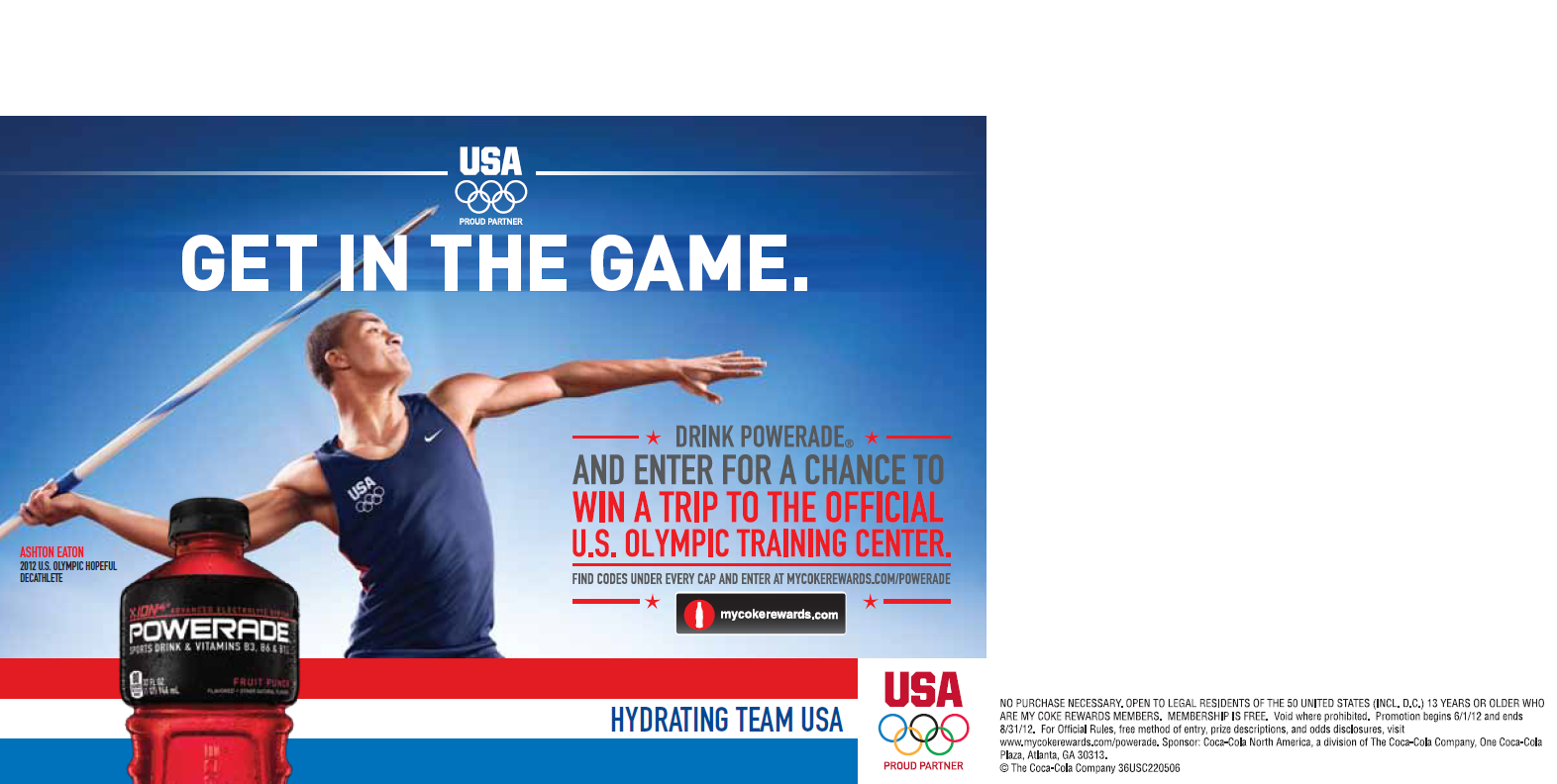
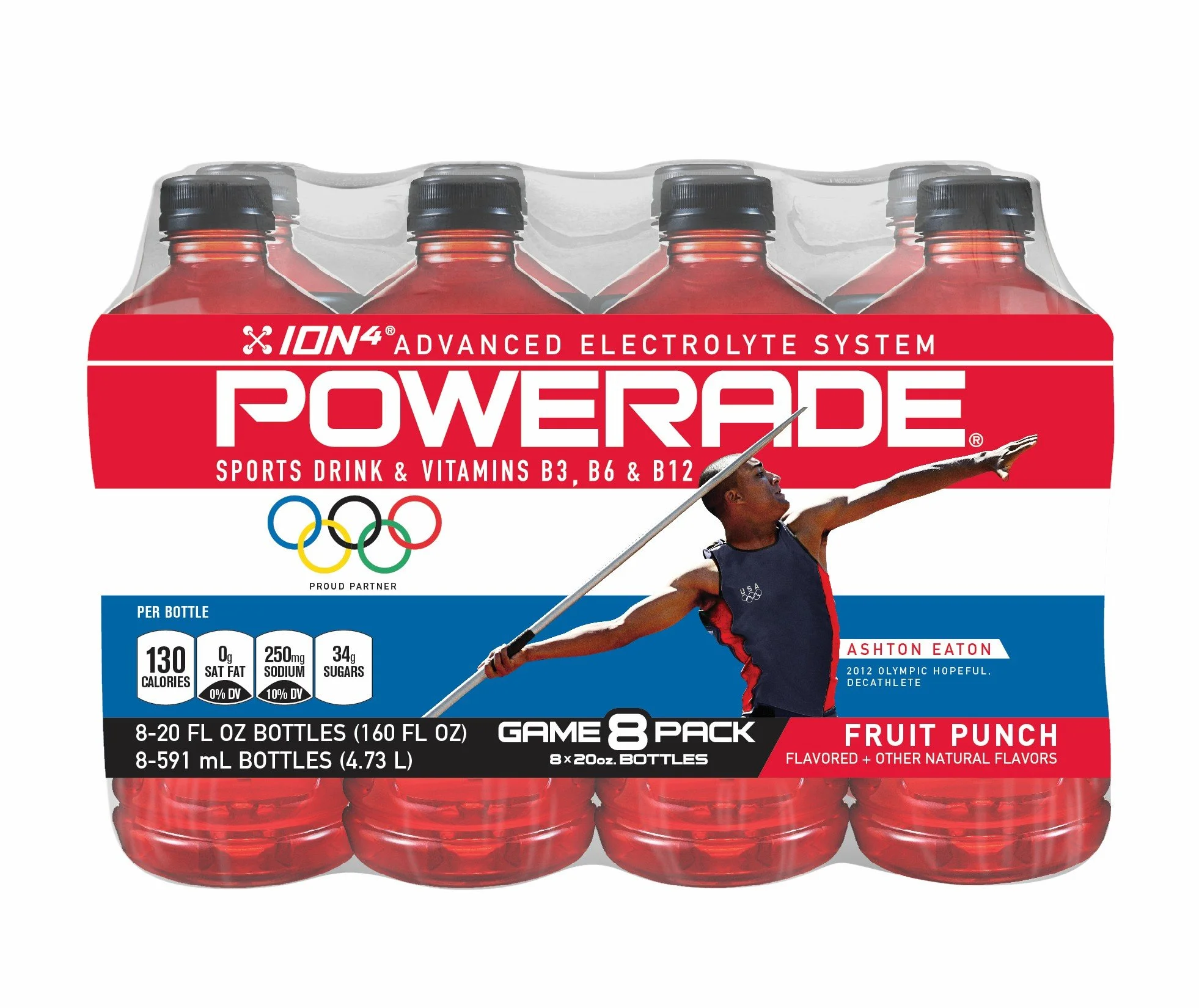
Hydrating Team U.S.A.
Leveraging Coca Cola Co.’s sponsorship of the Olympics, we took full advantage of the opportunity to make Powerade synonymous with Team U.S.A through advertising, point-of-sale, packaging, and retail partner promotions. Click on images below to view full size.
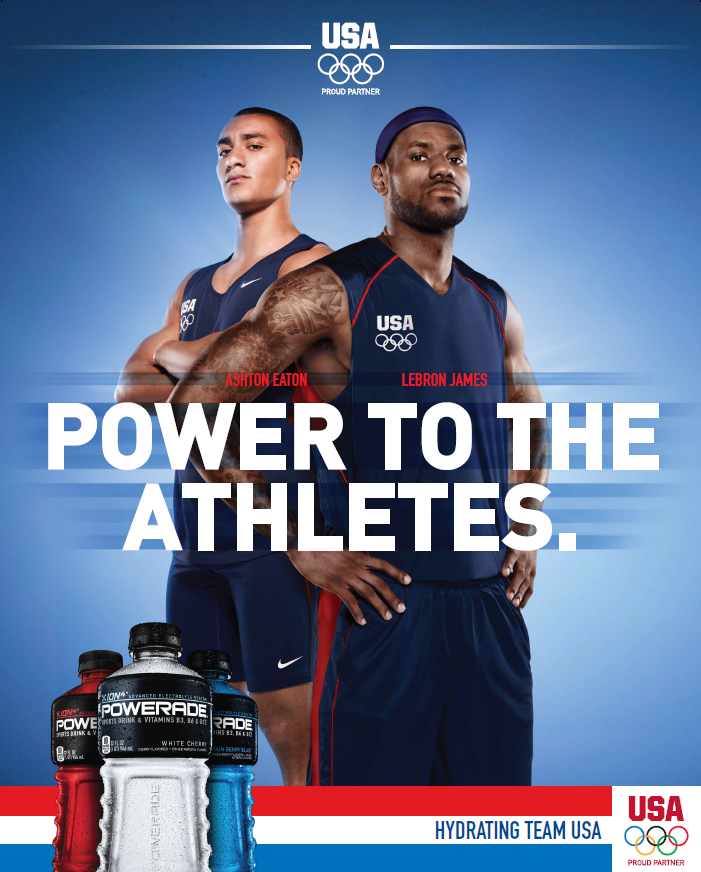
(click on image)
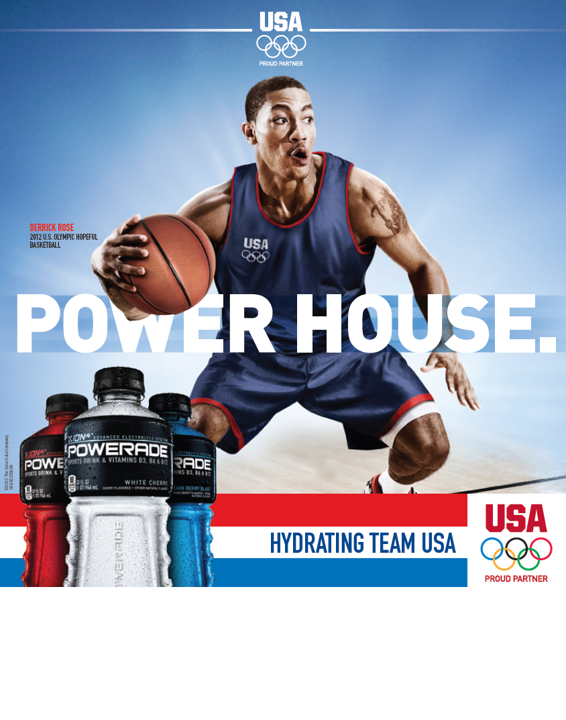
(click on image)
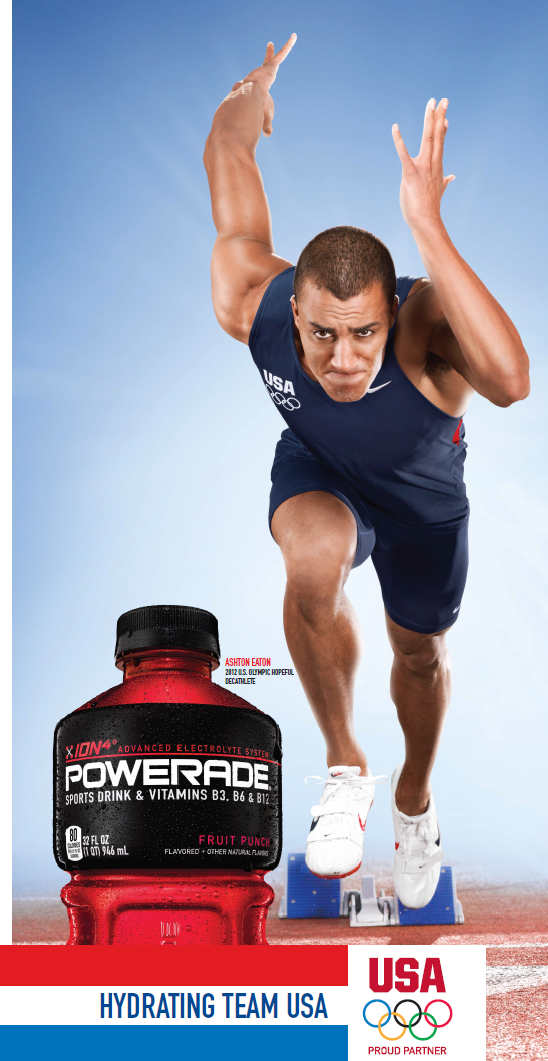
(click on image)
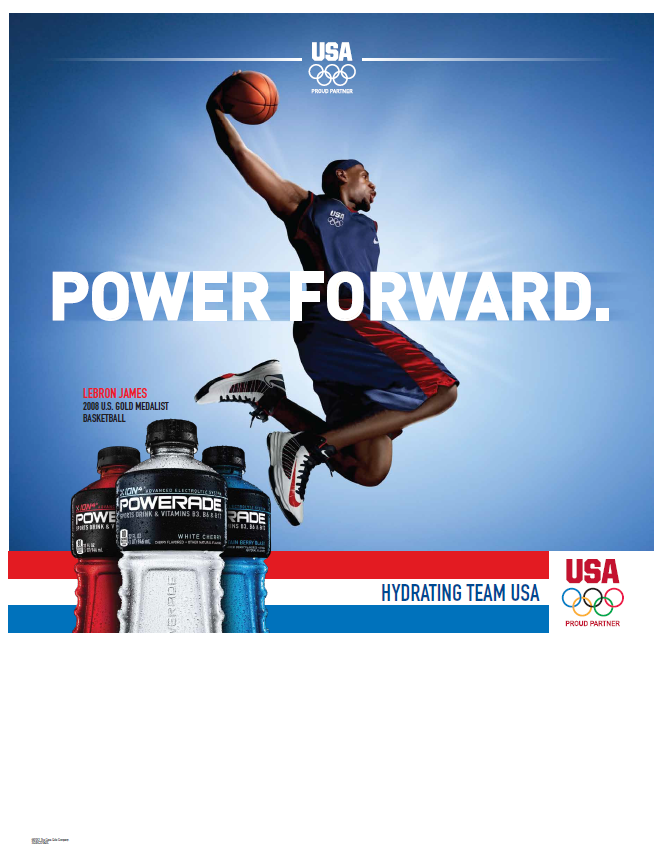
(click on image)
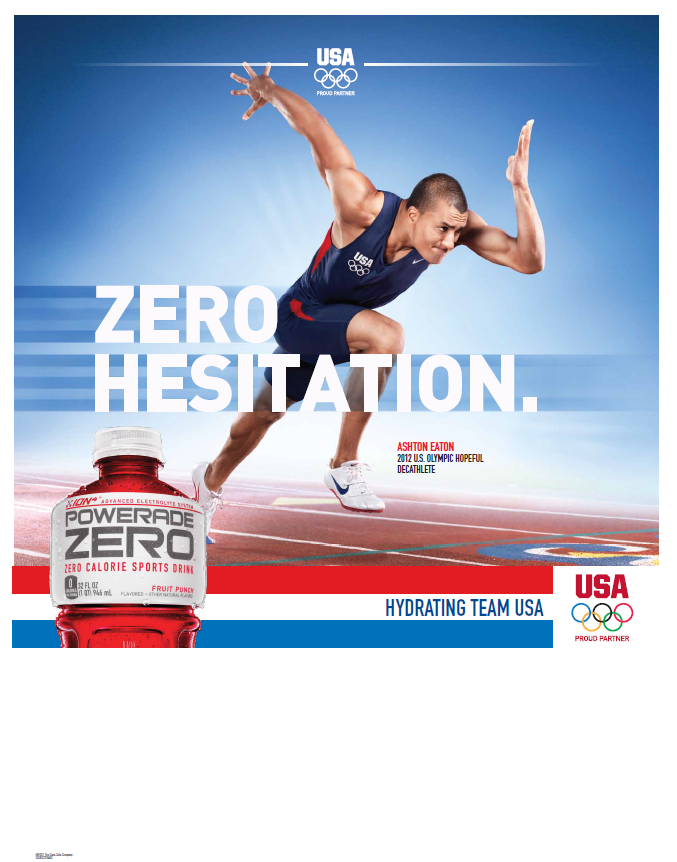
(click on image)
(click on image)
(click on image)

(click on image)
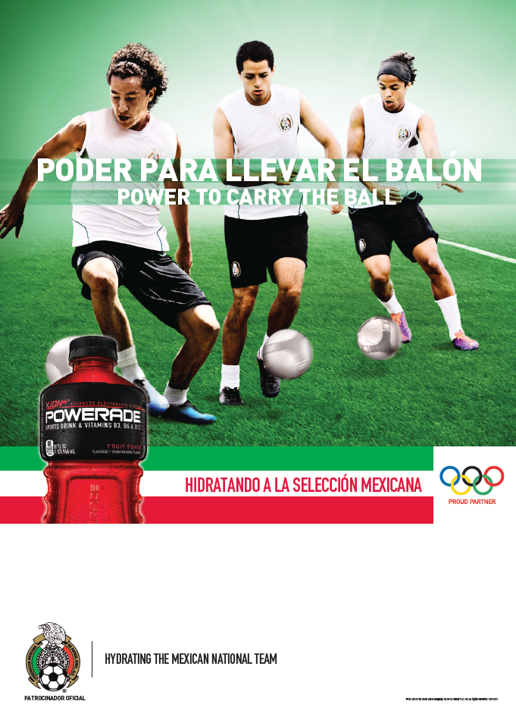
(click on image) Yes, we were tasked to create Mexican National Team creative, too.
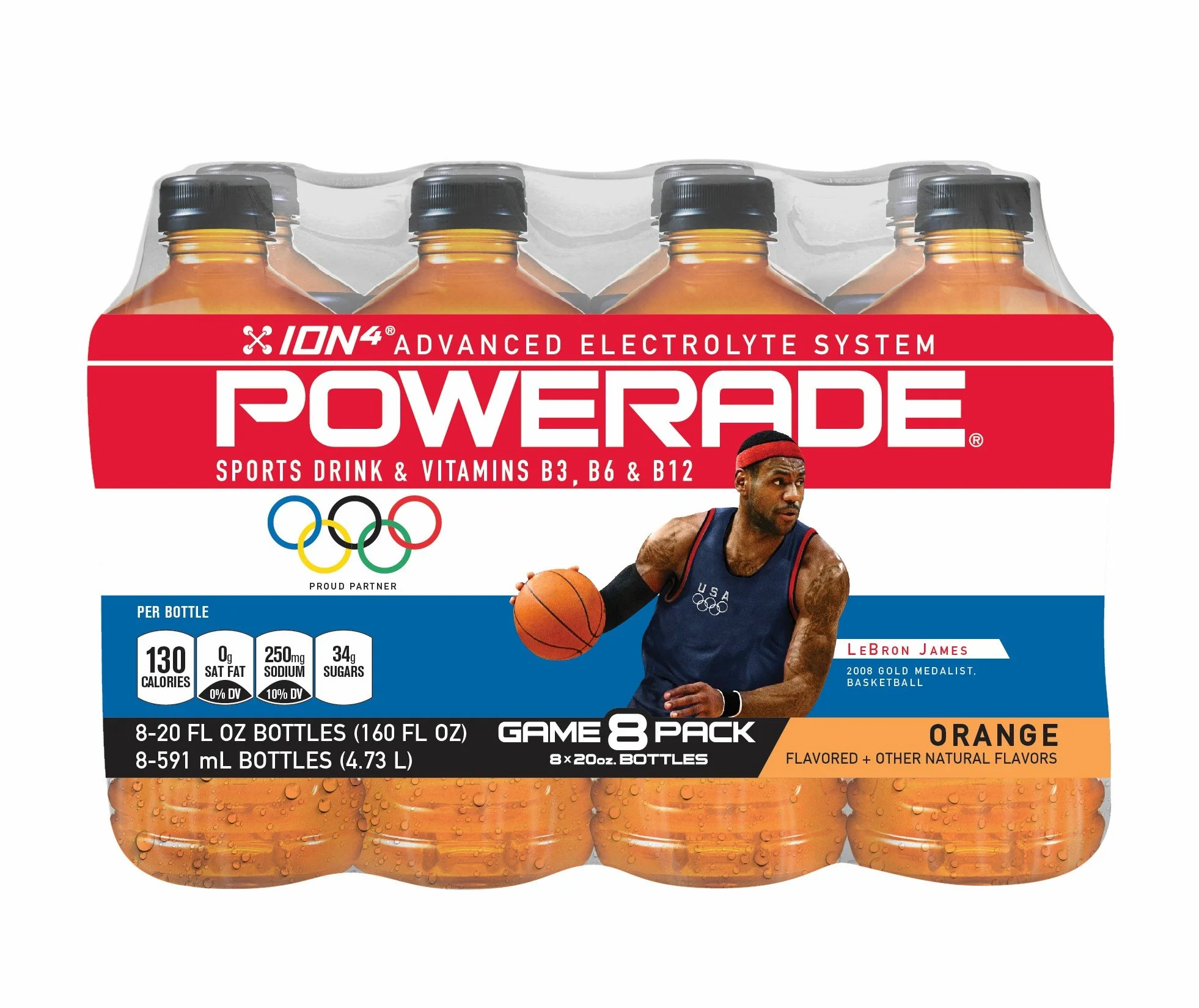
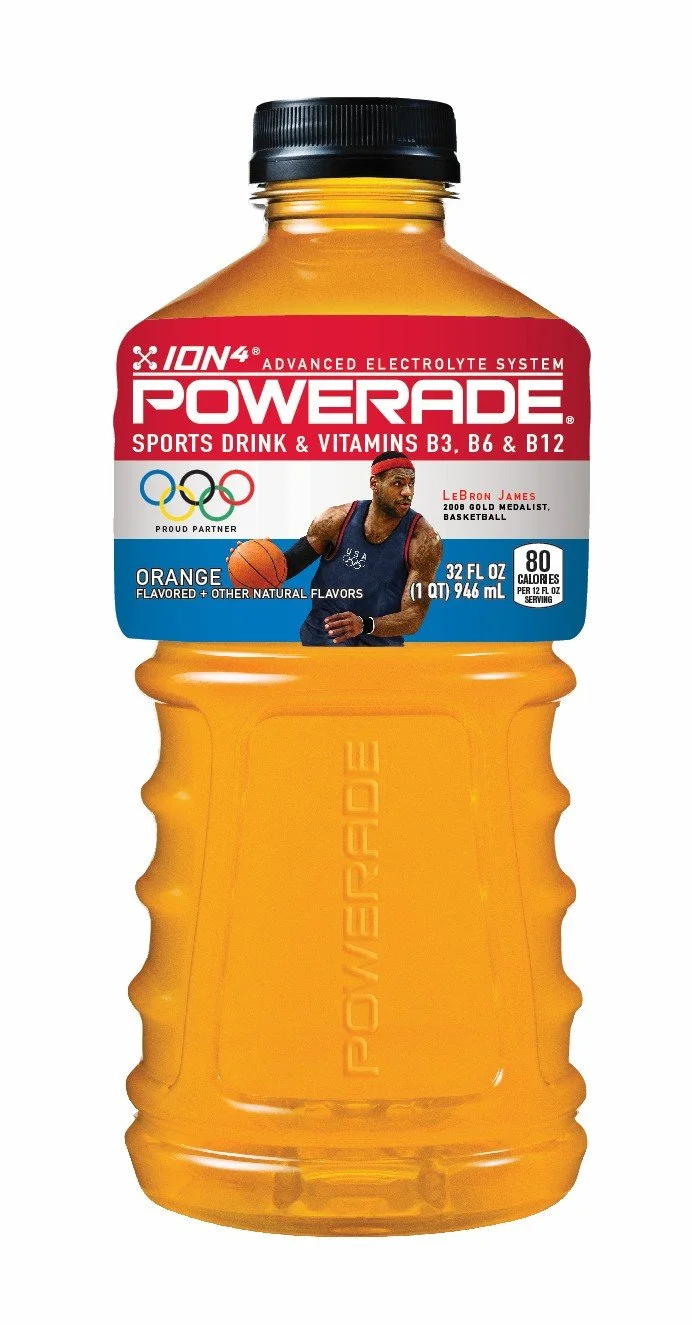
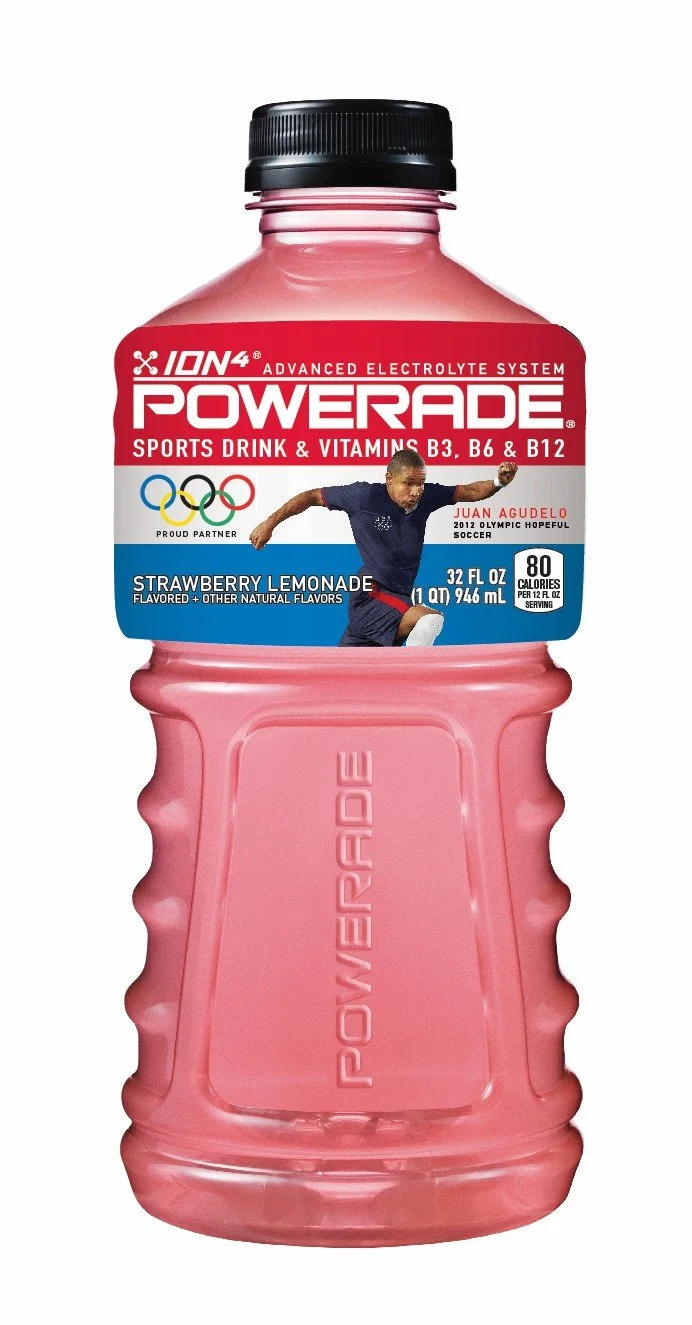
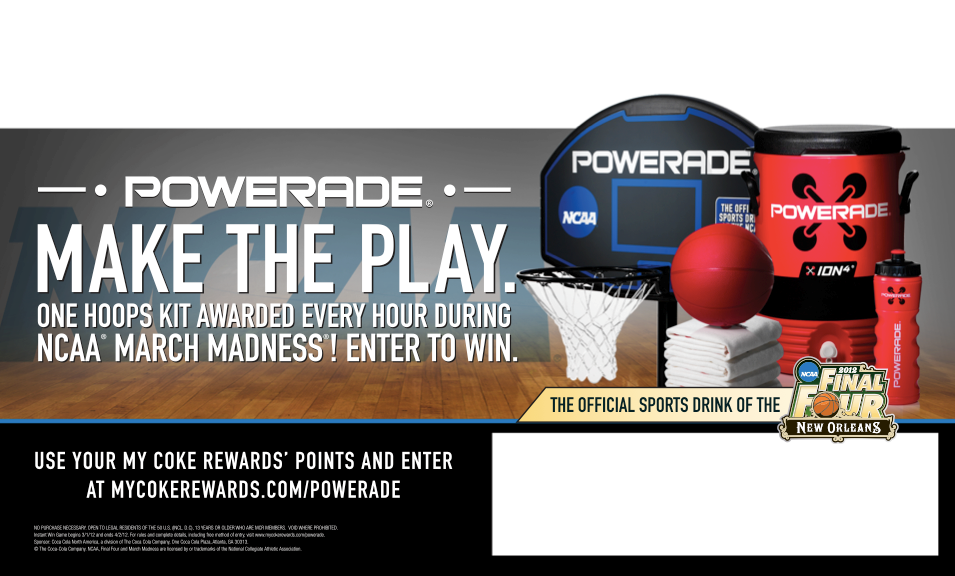
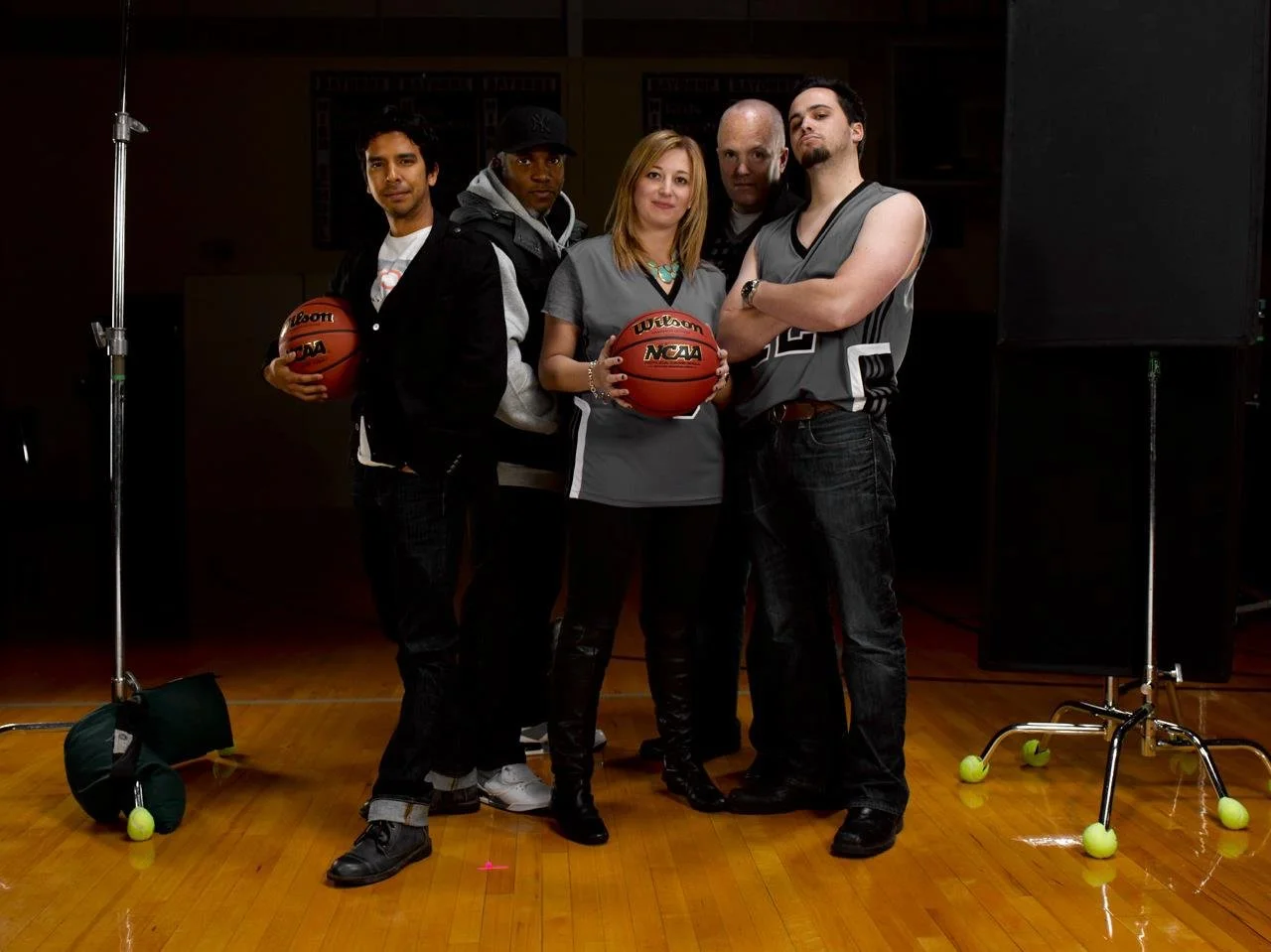
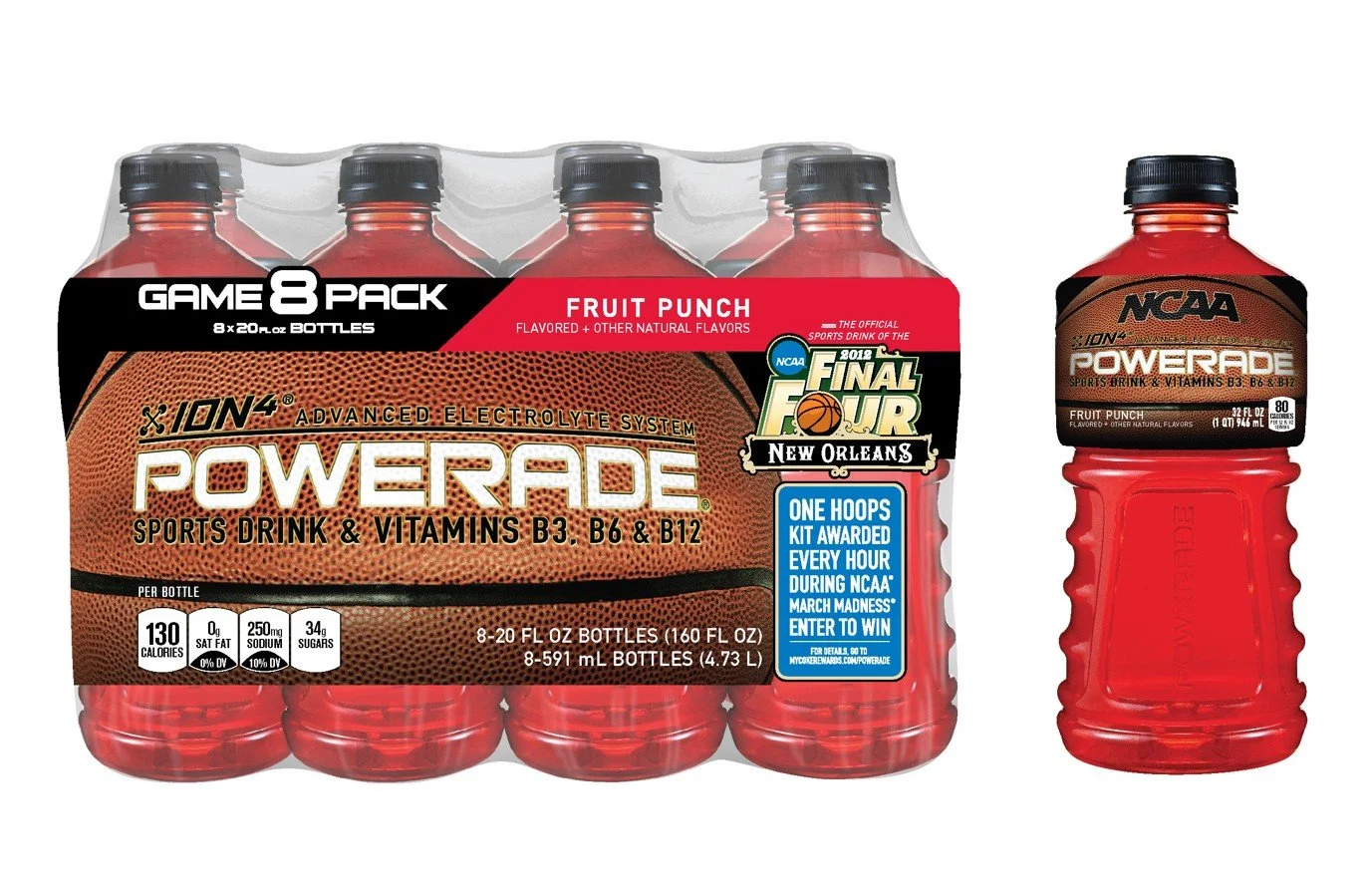
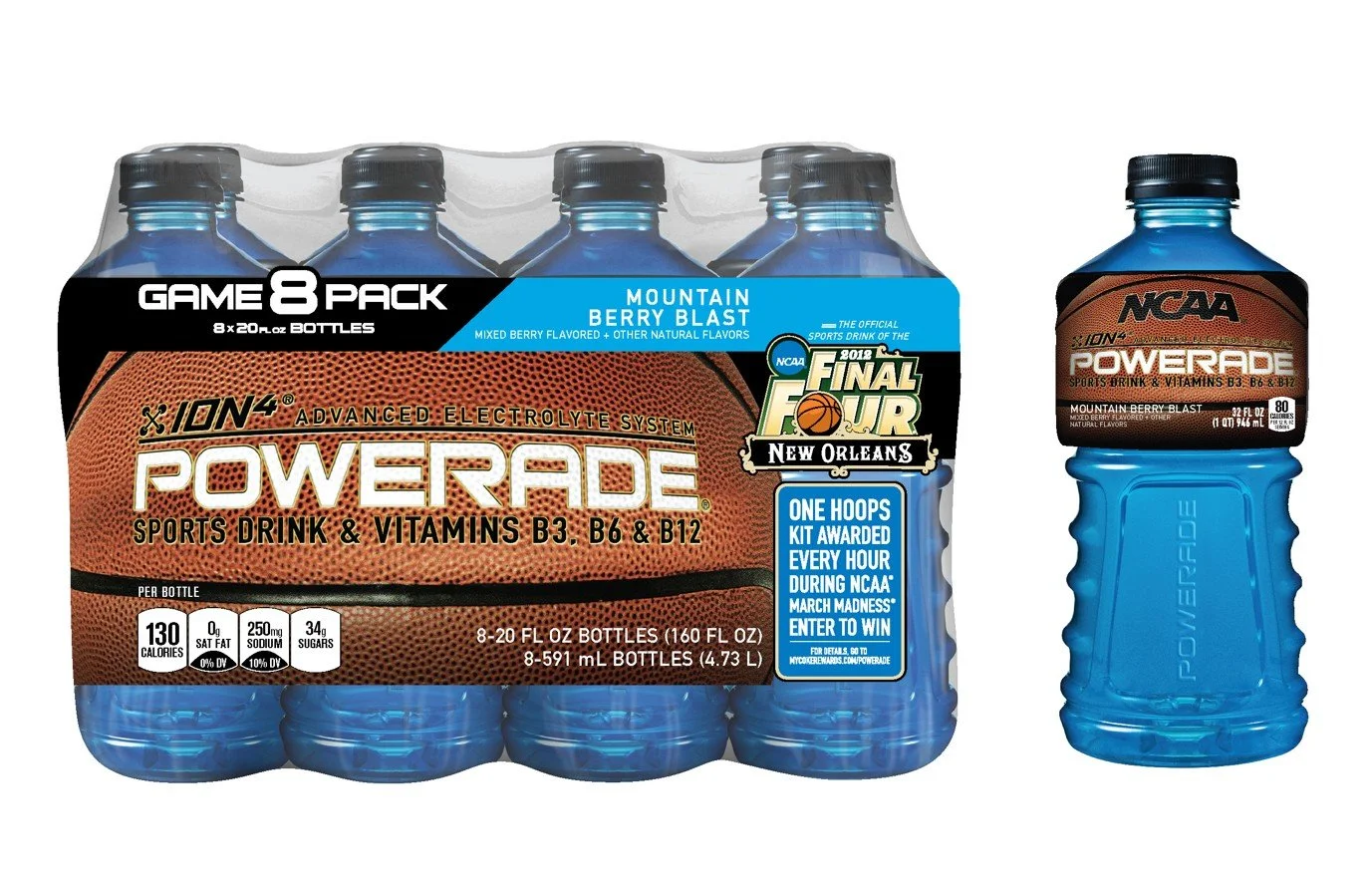
gearing up for the game with the ncaa
Leveraging a sponsorship of the NCAA Final Four basketball championships, we developed a national consumer promotion that stretched from advertising and point-of-sale to packaging graphics. Click on images below to view full size.
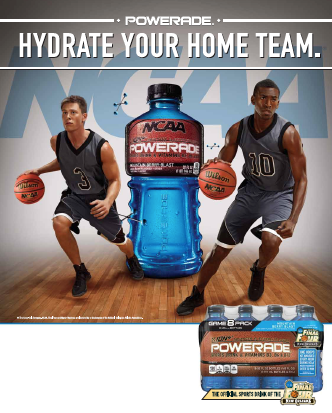
(click on image)
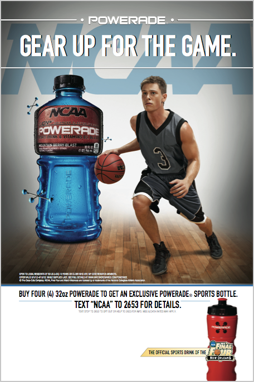
(click on image)
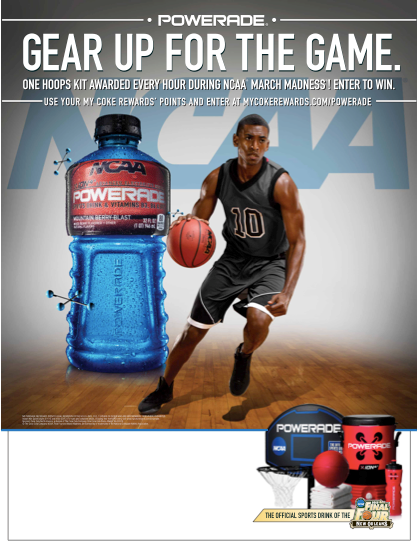
(click on image)
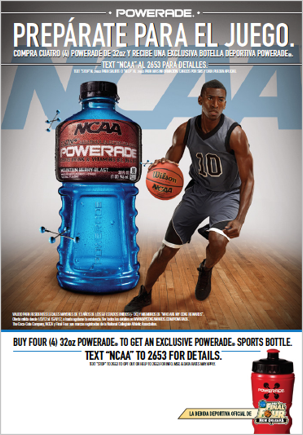
(click on image)
(click on image)
Group of five people standing on a gymnasium court, two holding basketballs, wearing casual and sports clothing, with tennis balls on the floor, and gym equipment visible.
going further for our retail partners
gold medal idea for bj’s wholesale
To sweeten the deal for BJ’s Wholesale, we created custom video content featuring Olympics-bound decathlete, Ashton Eaton, that ran in-store.
UPDATE: Ashton won the gold medal for the decathlon at both the 2012 (London) and 2016 (Brazil) Olympic Games.
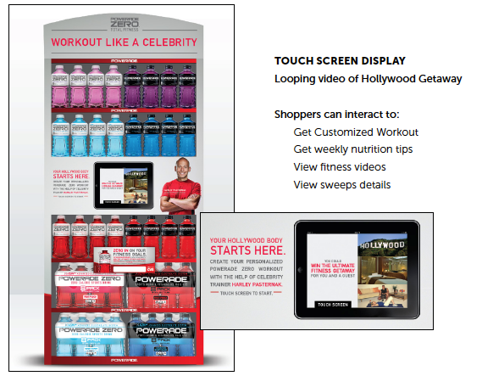
tapping into passion points of the cvs shopper
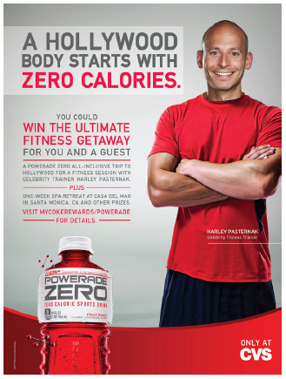
Custom-crafted this program exclusively for CVS in an effort for them to stock and sell Powerade, leading with the Zero line.
putting our money where our mouth is for stop & shop
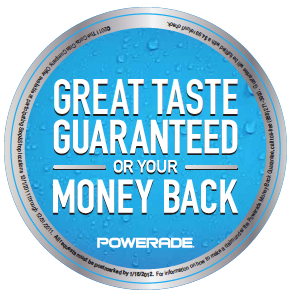
ON-PACK DECAL

DIRECT MAIL ENVELOPE (click on image)
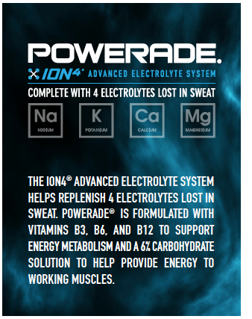
SIDE 1 OF DIRECT MAIL INSERT (click on image)
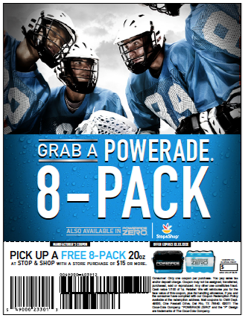
SIDE 2 OF DIRECT MAIL INSERT (click on image)
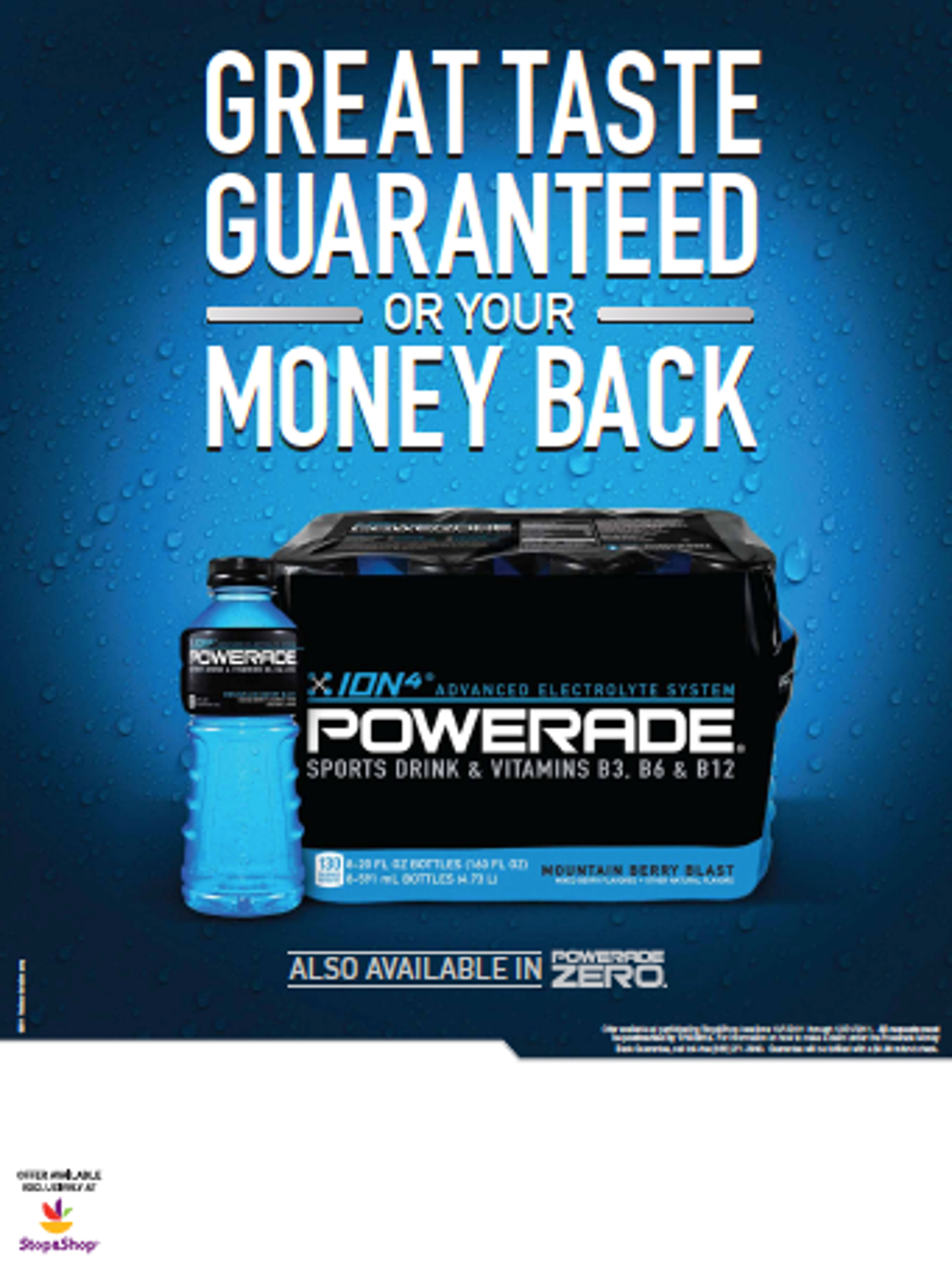
POINT OF SALE (click on image)
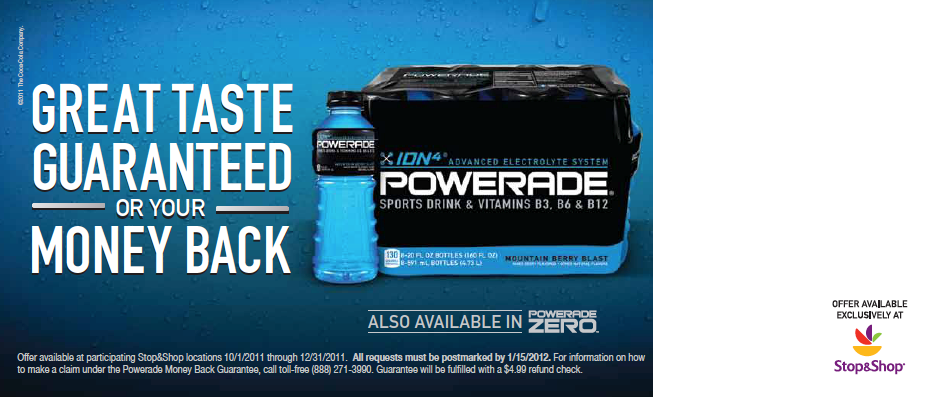
SHELF TALKER (click on image)
Behind Every Category or Client Logo Are Advertising Moves Powering Growth