Recent results from Simply Good Foods, Newell Brands, and Unilever raise a question every marketing leader should ask before approving the next budget.
By Rob Douglas, Co-founder & CEO, Left Off Madison
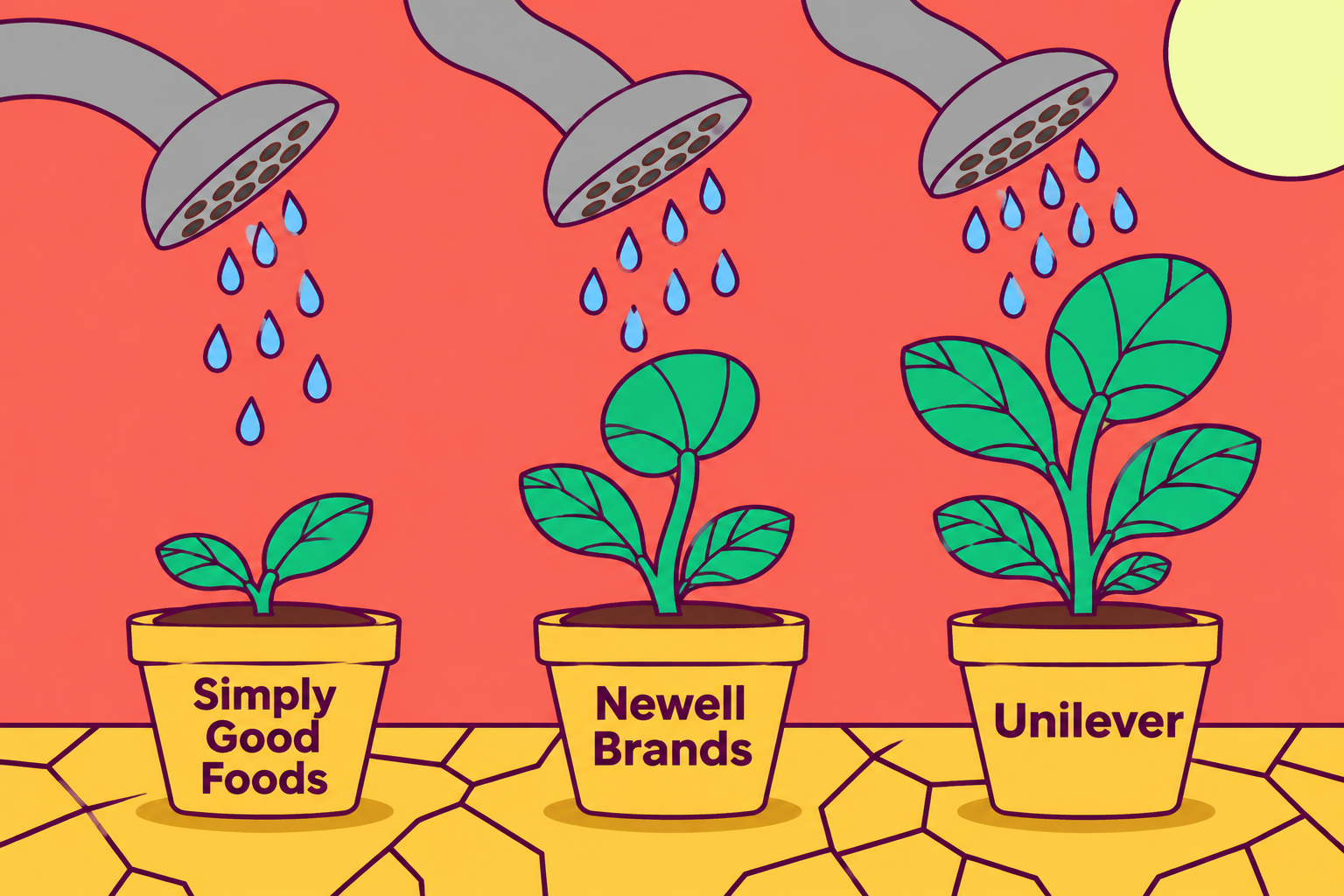
Every brand has a convincing case for more money.
The growth brand needs fuel. The struggling brand needs a turnaround. The new product needs a launch. The retailer needs support.
Listen to each team separately and every request sounds urgent.
Put them together and the math gets ugly.
So where should the next dollar go?
To the brand with momentum? The one losing customers? The biggest business? The newest opportunity?
Recent company results make that question unusually concrete. They also remind us why last year’s budget, divided up with a few adjustments, is rarely enough of a strategy.
Simply Good Foods: Back the winner or repair the decline?
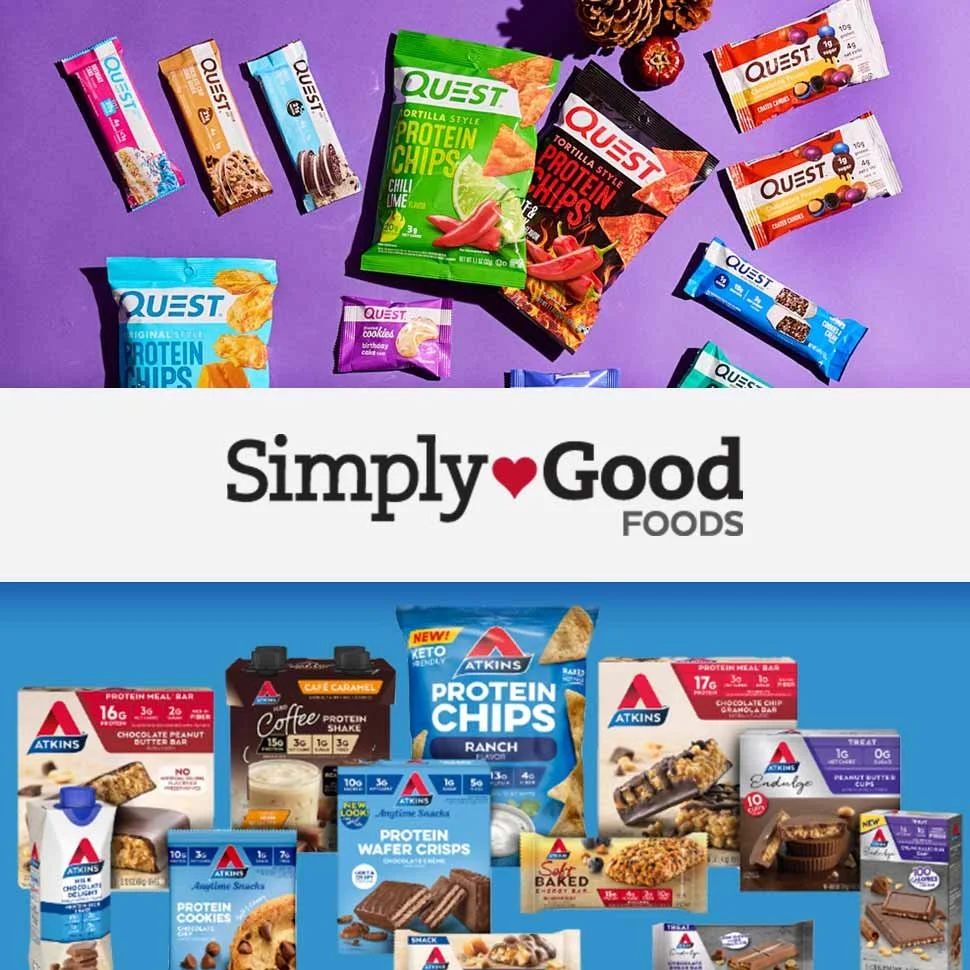

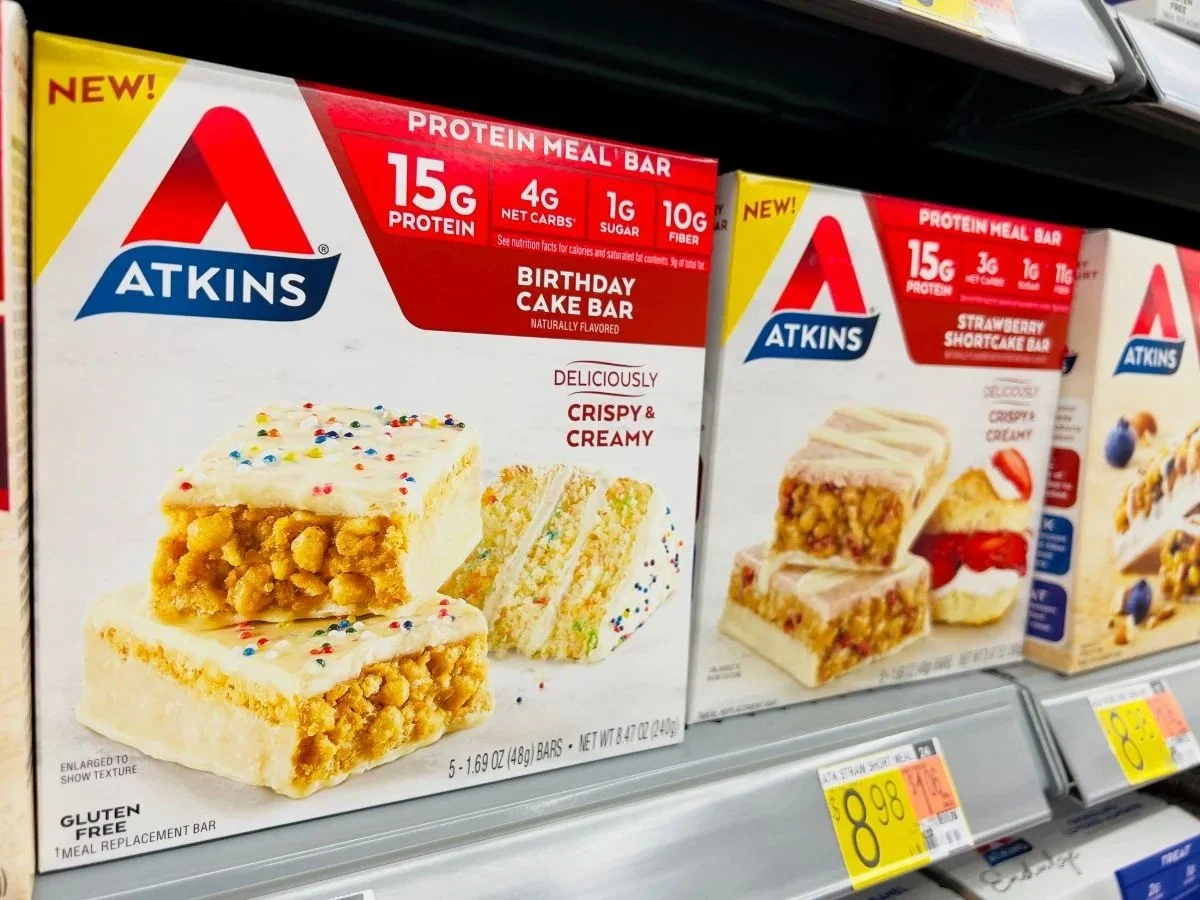
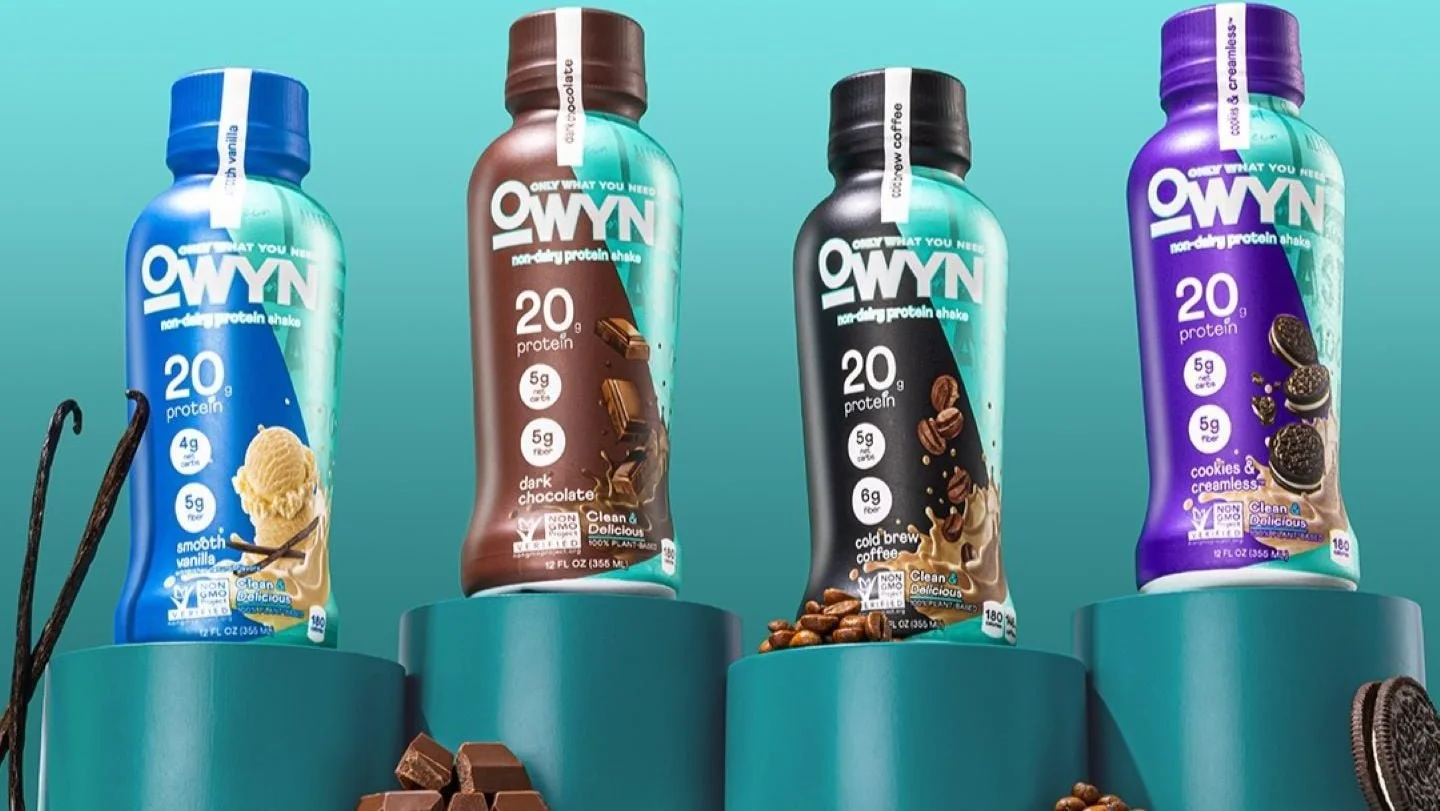
Simply Good Foods, the company behind Quest, Atkins, and OWYN, reported markedly different fiscal 2026 net sales results: Quest grew 0.7%, while Atkins declined 20.9% and OWYN declined 9.7%.
Full-year selling and marketing expenses fell 3.6%. The company said planned marketing reductions for Atkins outweighed increases supporting Quest and OWYN.
In its October 27 release, management described a marketing overhaul across all three brands and plans to reinvest part of its margin recovery behind them.
Source: Simply Good Foods fiscal 2026 results.
Those disclosures do not establish that marketing reductions caused the declines. They reveal the allocation dilemma.
Do you reinforce the brand holding its ground? Invest in rebuilding the one losing it? Keep supporting a newer opportunity whose performance has disappointed?
A strong brand may have more profitable growth available. A declining brand may have a fixable problem. Either may also absorb money without delivering the change you need.
The uncomfortable question is:
Are you funding a credible growth opportunity—or continuing to fund a hope?
That requires more than ranking brands by last year’s sales.
For each proposed investment, identify whose behavior needs to change, why it has not changed already, and what the investment will do about it. Then define the evidence that would justify continuing.
“Support the brand” is an intention. It still needs a plan.
Newell Brands: One winner should not be the entire growth plan.
Newell offers a useful counterpoint.
In its October 30 results, the company reported 3.3% core sales growth, with growth across seven of its ten largest brands and four of its six businesses.
Management linked progress to investment in consumer understanding, brand building, innovation, and marketing, alongside expanded distribution.
That is management’s explanation of a broader business result, rather than a measurement of advertising’s isolated contribution.
Source: Newell Brands third-quarter 2026 results.
The useful question for other marketers is:
Are you building several sources of growth — or asking one successful brand to carry the rest?
A portfolio can give a company more ways to win. Realizing that advantage requires identifying the opportunity inside each business.
One brand may need stronger preference. Another may need better retail availability. A third may have an overlooked audience or purchase occasion.
Sharing research, production, or media capabilities can help. Each brand still needs a clear role and a reason for customers to choose it.
Equal treatment is administratively convenient. Growth requires a more deliberate approach.
Unilever: Diagnose the problem before prescribing the budget.
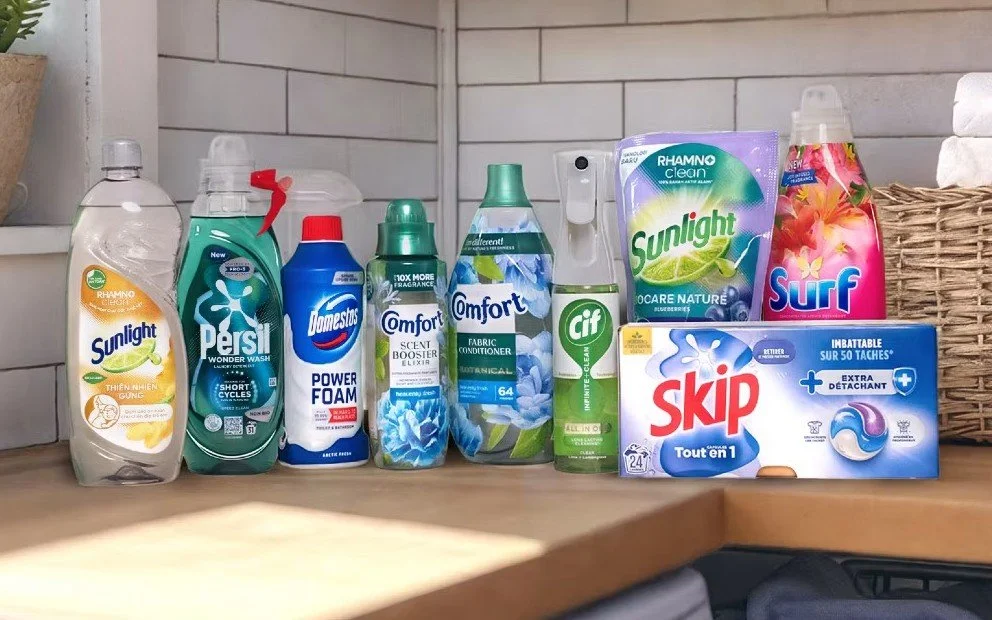
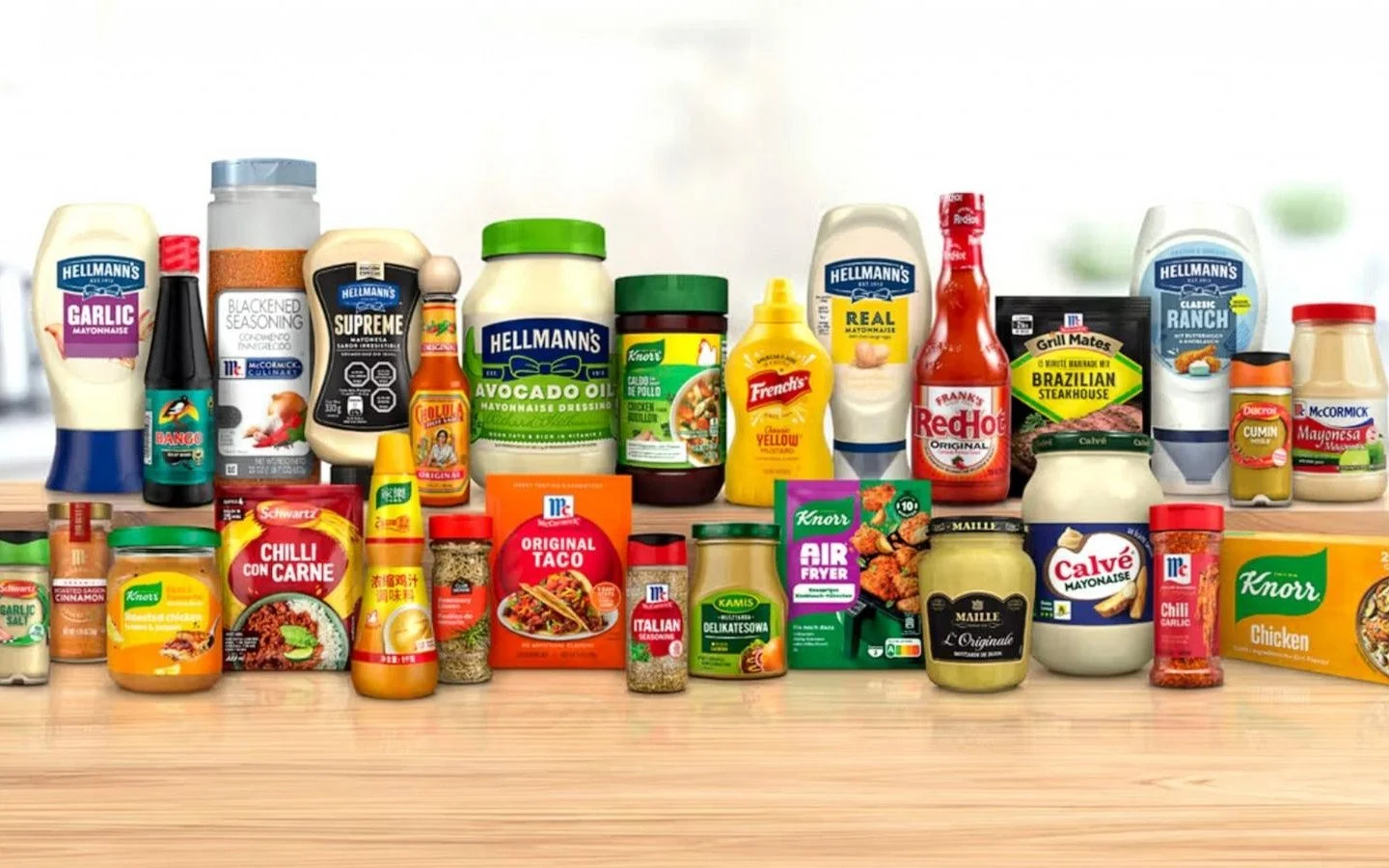
Unilever’s third-quarter results illustrate how different the jobs can be inside one company.
Home Care delivered 9.1% underlying sales growth. Foods grew just 0.1%, with underlying volume down 1.1%.
In U.S. condiments, the company identified increased competition and limited presence in fast-growing premium and avocado mayonnaise segments. Its response included innovation and corrective pricing.
Source: Unilever third-quarter 2026 results commentary.
That brings us to another uncomfortable question:
Before deciding how much a brand deserves, have you identified what the investment needs to fix?
A product-range gap is different from low awareness. A price-value problem is different from weak distribution. An unconvincing reason to buy is different from an insufficient media budget.
They can overlap. They still need to be understood.
More exposure can amplify a compelling proposition. It can also expose more people to an offer they have little reason to choose.
The budget discussion becomes more productive when the diagnosis comes first.
Every dollar needs a job.
These companies differ in scale, categories, and circumstances. Their results do not prove one universal spending formula.
They do raise questions worth taking into your next planning meeting.
1. What must change for this brand to grow?
Be specific. More first-time buyers? Better repeat purchase? Stronger sales at existing retailers? A more competitive offer? Define the business requirement before choosing the activity.
2. Why should this investment work?
Identify the consumer insight, product truth, distribution opportunity, or demonstrated response behind the recommendation. Confidence is useful. Evidence makes it more useful.
3. What can work across the portfolio — and what must remain distinct?
Shared production, research, and operating capabilities can stretch resources. Shared positioning can blur the differences that give people a reason to buy. Know where efficiency helps and where it starts to weaken the work.
4. What are we choosing not to fund?
A priority has consequences. If every request survives the process untouched, you may have collected everyone’s wishes without making a strategic choice.
5. What would make us increase, change, or stop the investment?
Set a meaningful evaluation period and measures appropriate to the assignment. Track the route from consumer response to commercial performance. Allow brand-building work time to develop, while remaining willing to change direction when the evidence calls for it.
Your portfolio does not need a popularity contest.
The loudest brand manager should not automatically win.
Neither should the newest launch, the largest legacy brand, or last year’s best performer.
Each deserves a serious assessment of its role, opportunity, barriers, and investment requirements.
The same discipline applies if you manage one brand with many products, different audiences, or different assortments across retailers.
The pressure is familiar: everything needs support. The resources have limits.
At Left Off Madison, we connect consumer understanding, brand strategy, creative, and media to make those decisions more informed—and turn them into work designed to move the business.
Our experience across Panasonic, Ajinomoto Foods, ASR Motorsport, and Western Union has made one thing clear: deciding where to invest and delivering the work belong in the same conversation.
Every brand can ask for more. Your plan needs to explain what more will accomplish.
For a look at how we have handled competing growth demands in practice, read One Brand Gets the Spotlight. The Whole Portfolio Has to Sell.